- Sakarit Gunkhan (Chankaew) is a Brooklyn-based Graphic/Web Designer & Visual/Concept Artist


Get In Touch
Brooklyn, NYC
Brooklyn, NYC
Work Inquiries
sakarit@tirakas.com
sakarit@tirakas.com
Figures entwined with dreams, ornament, and strange beauty.
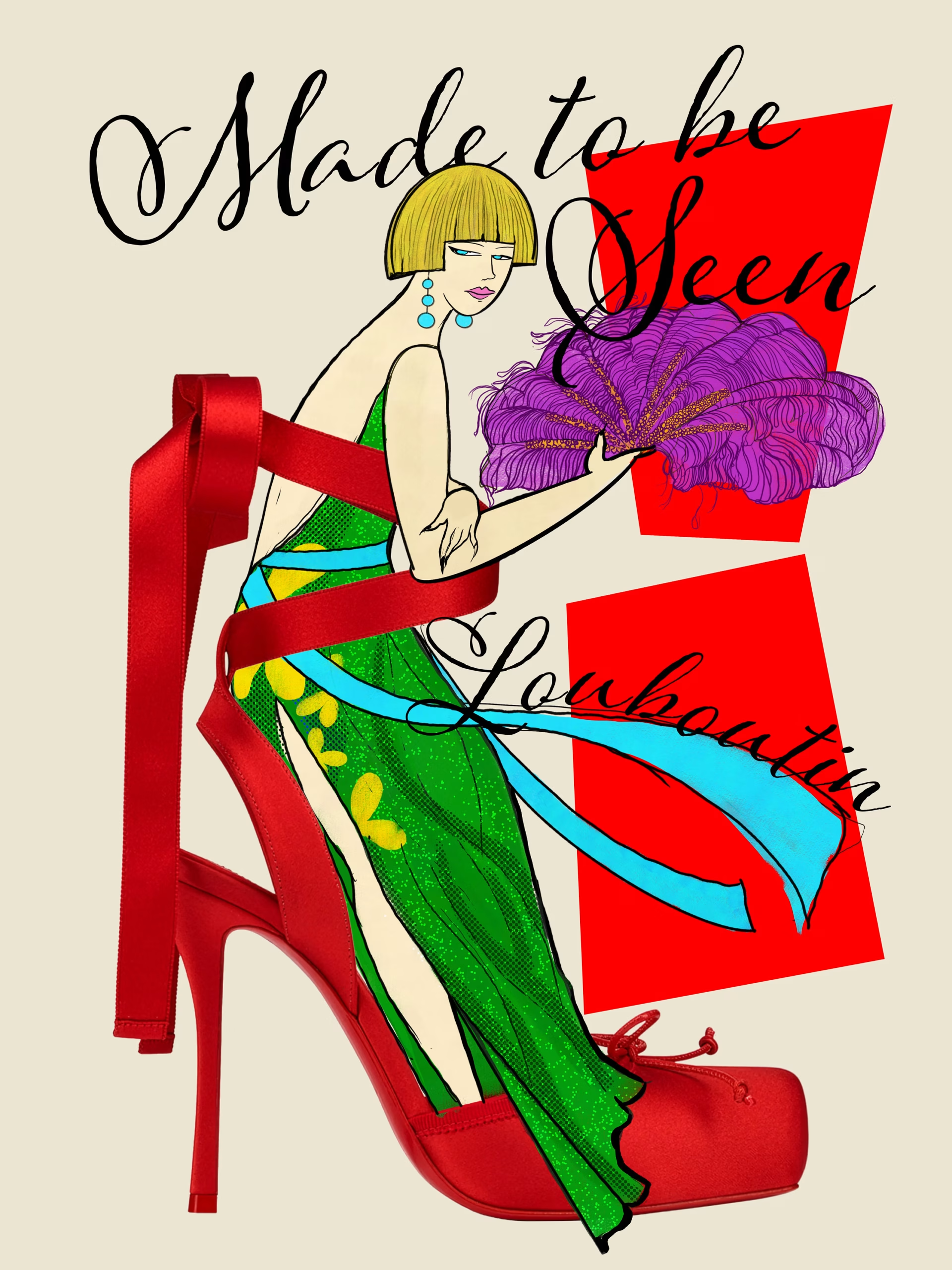
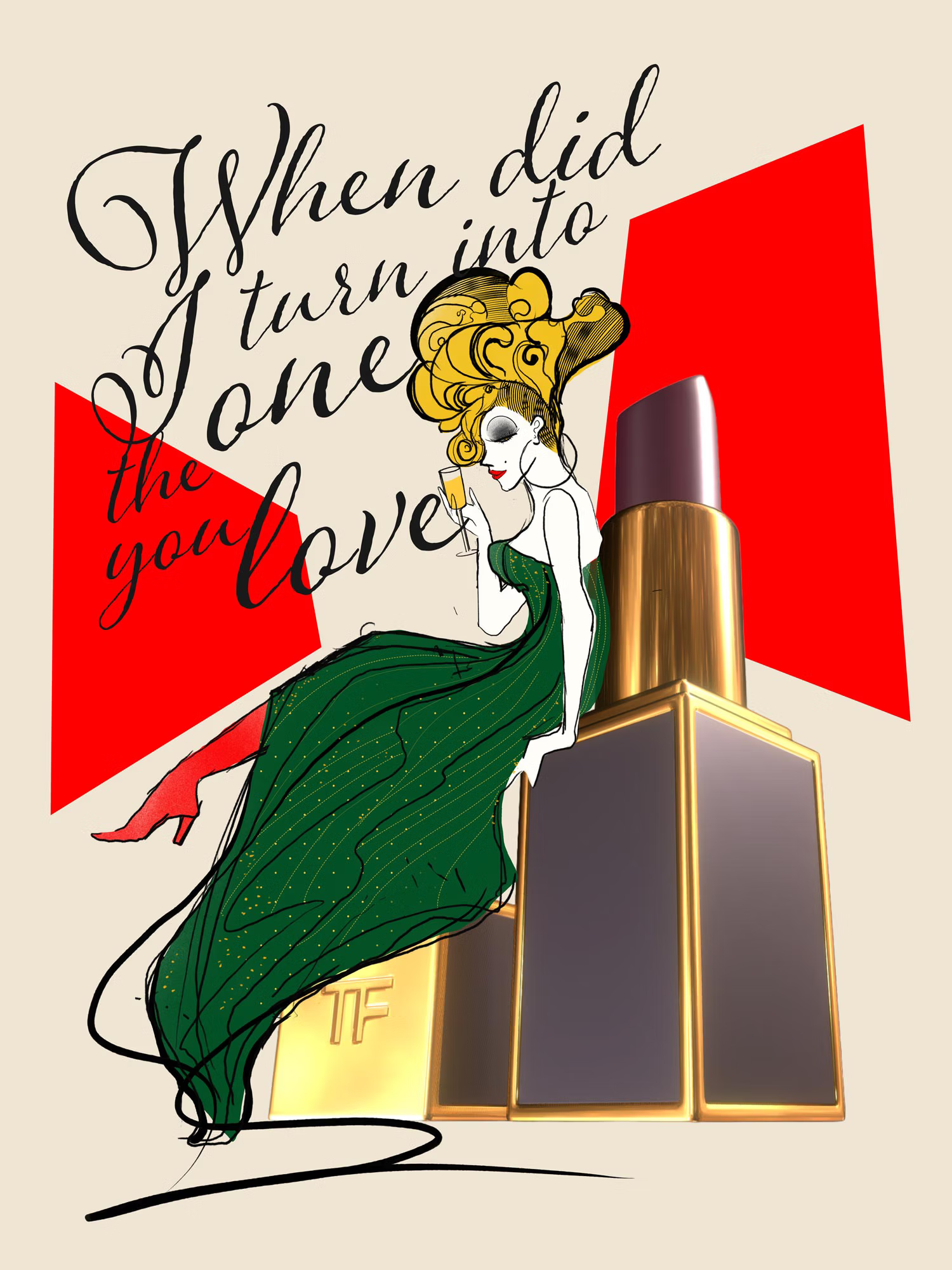


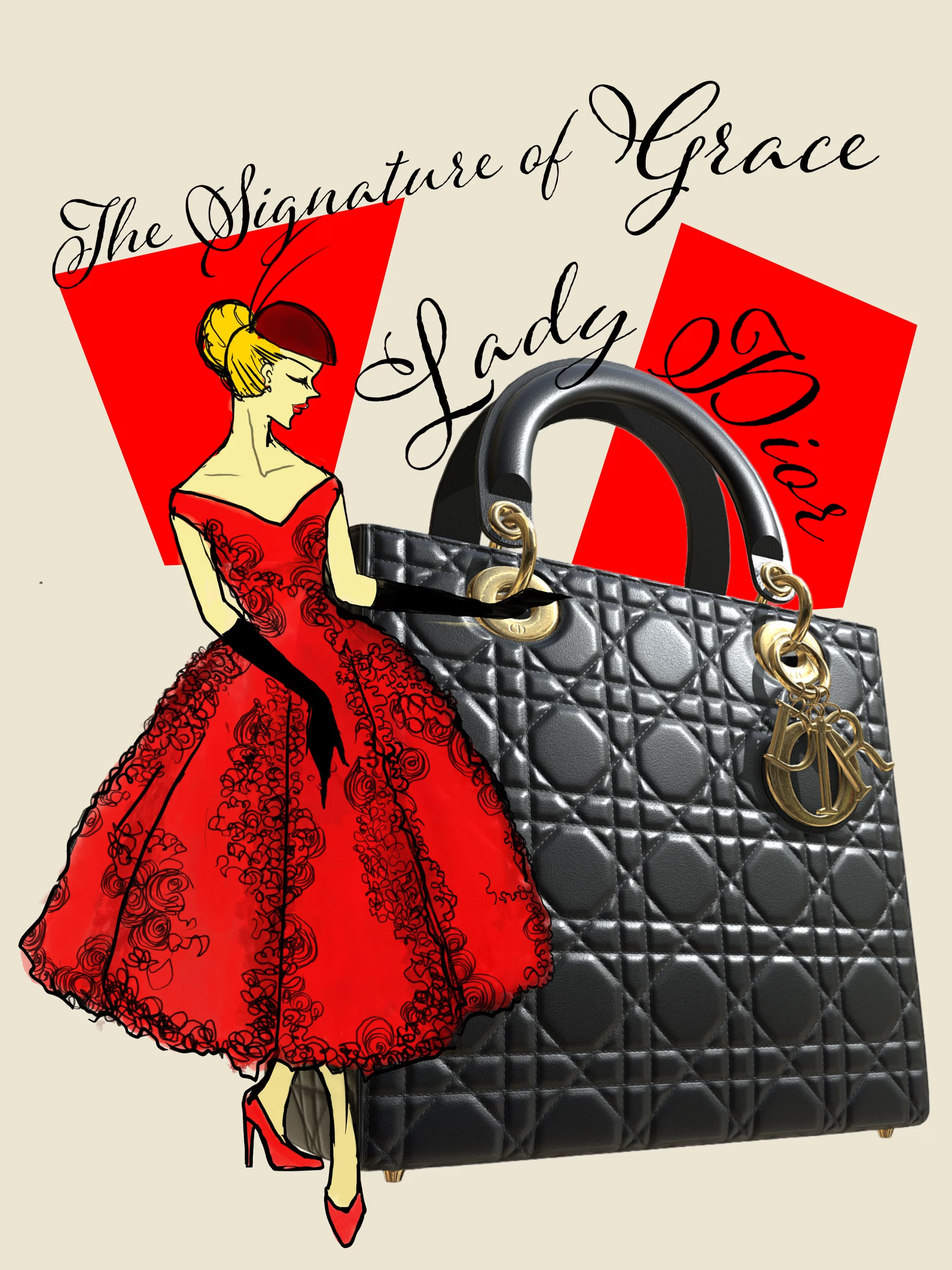

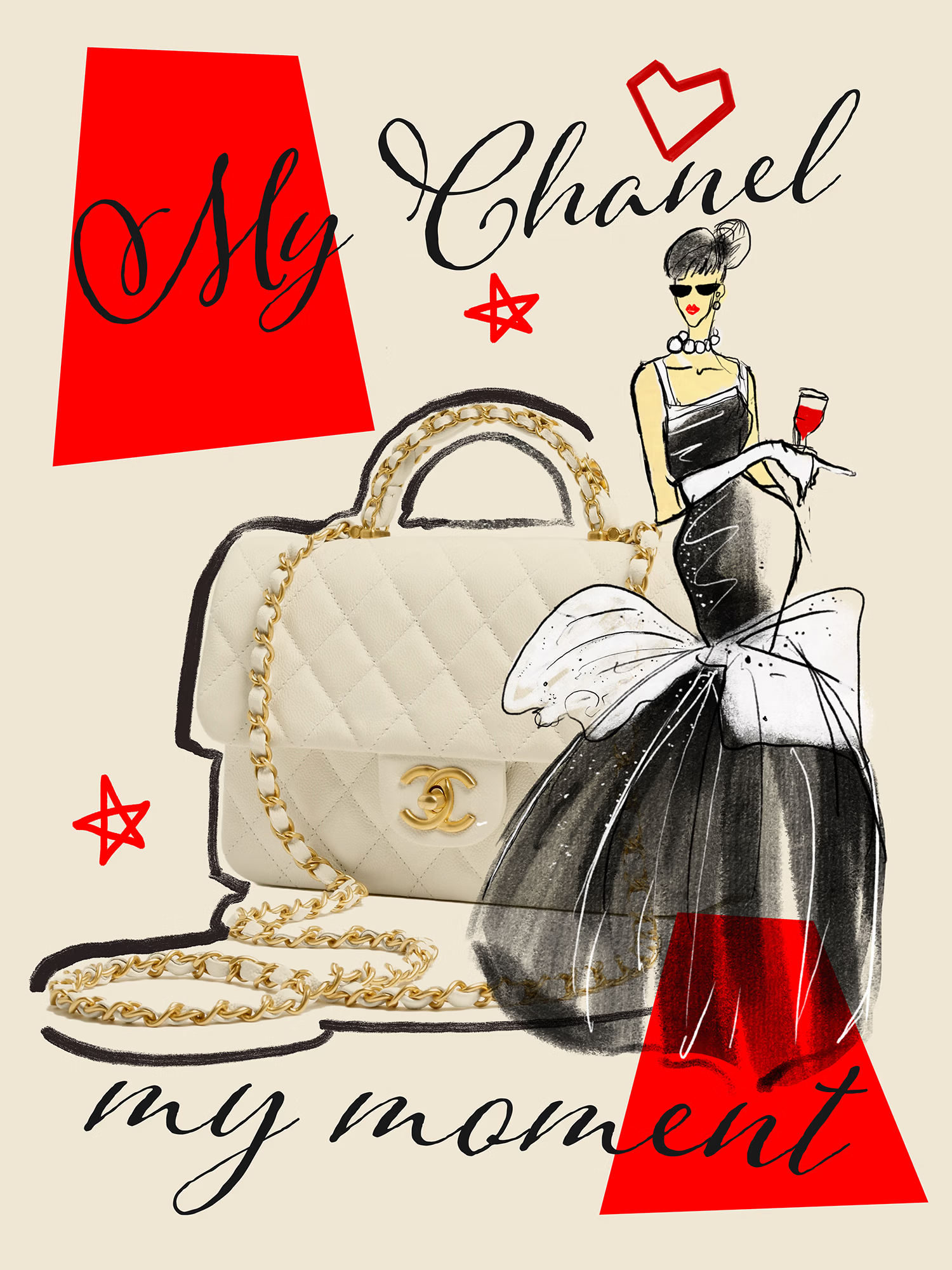
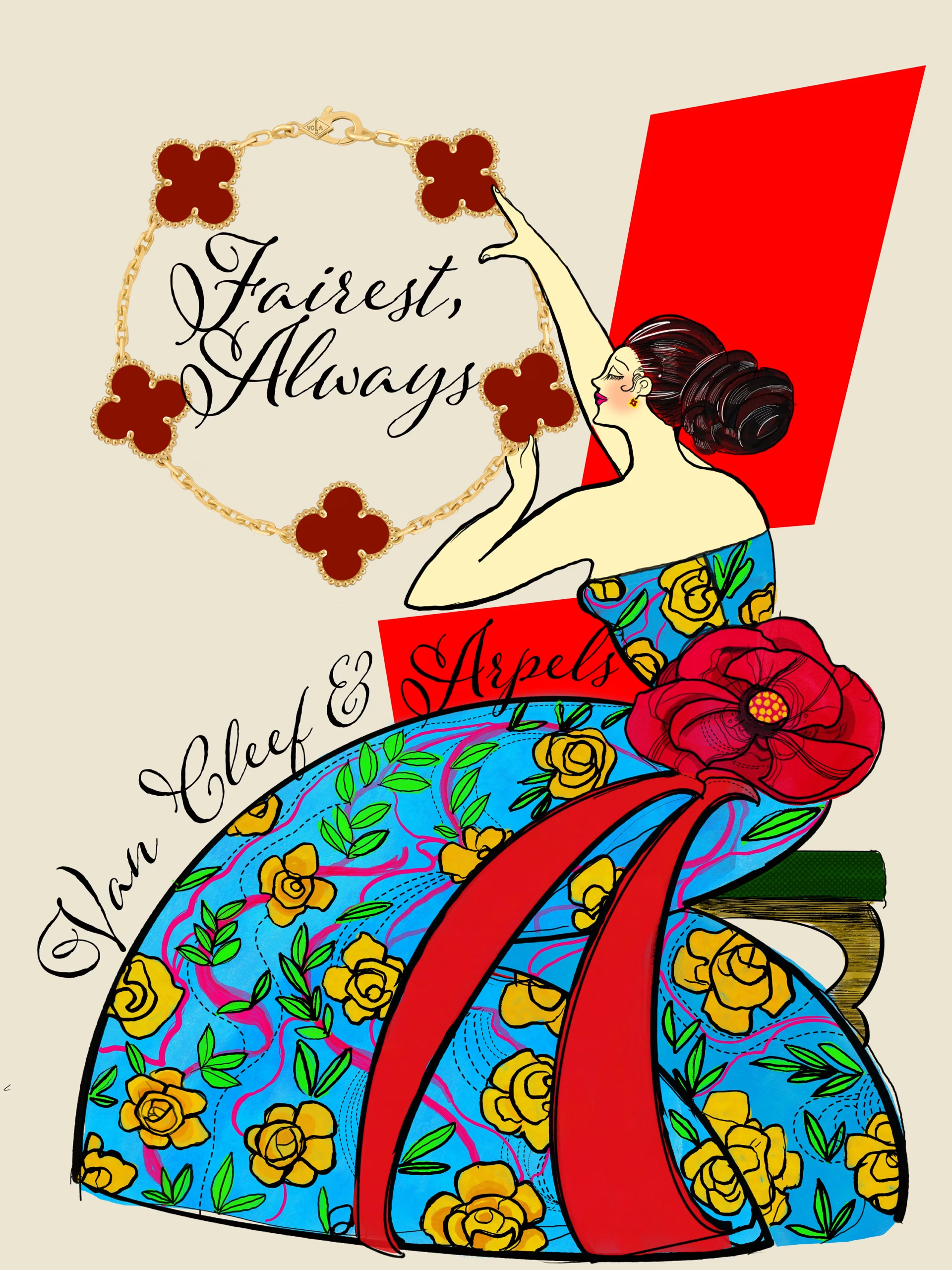
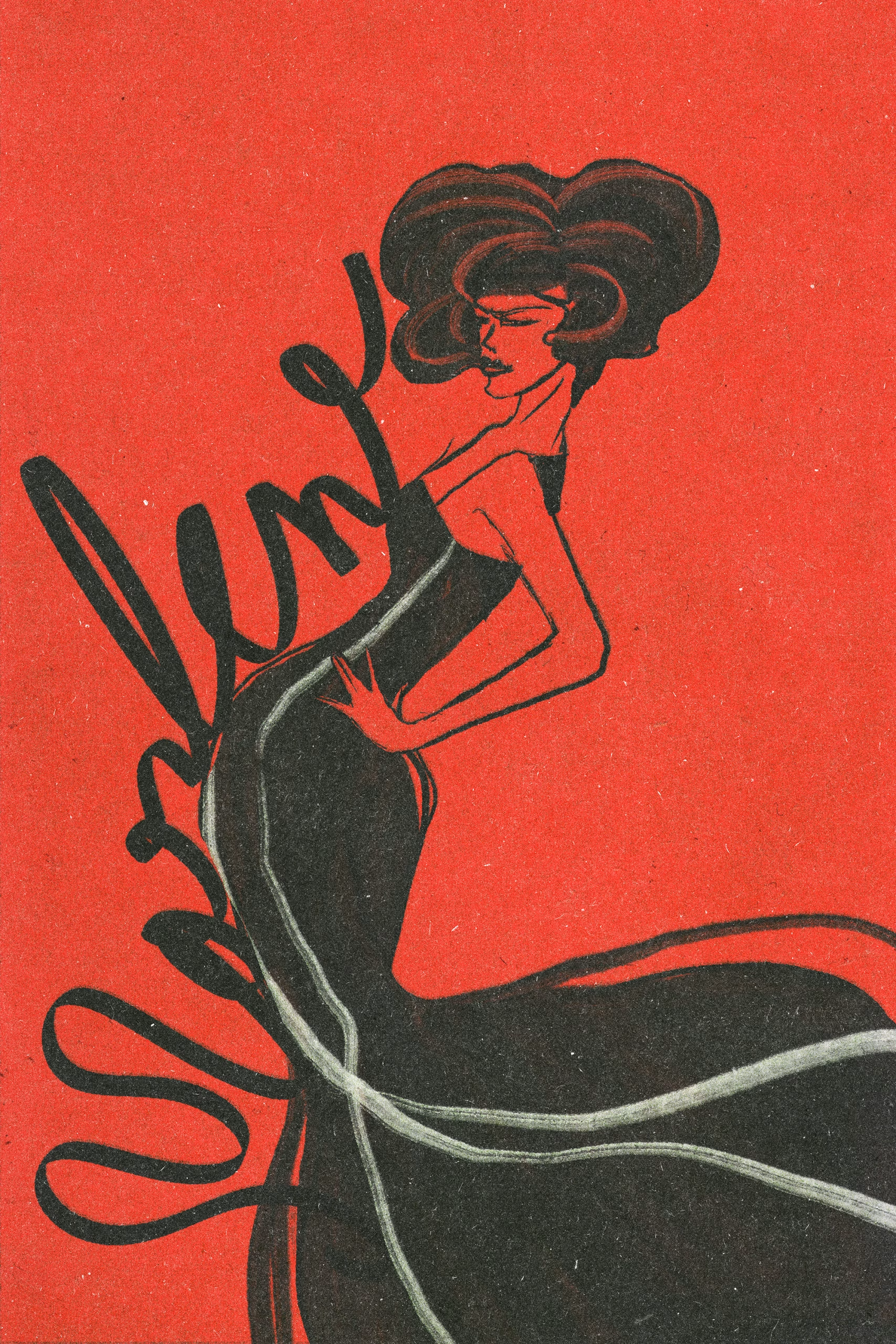
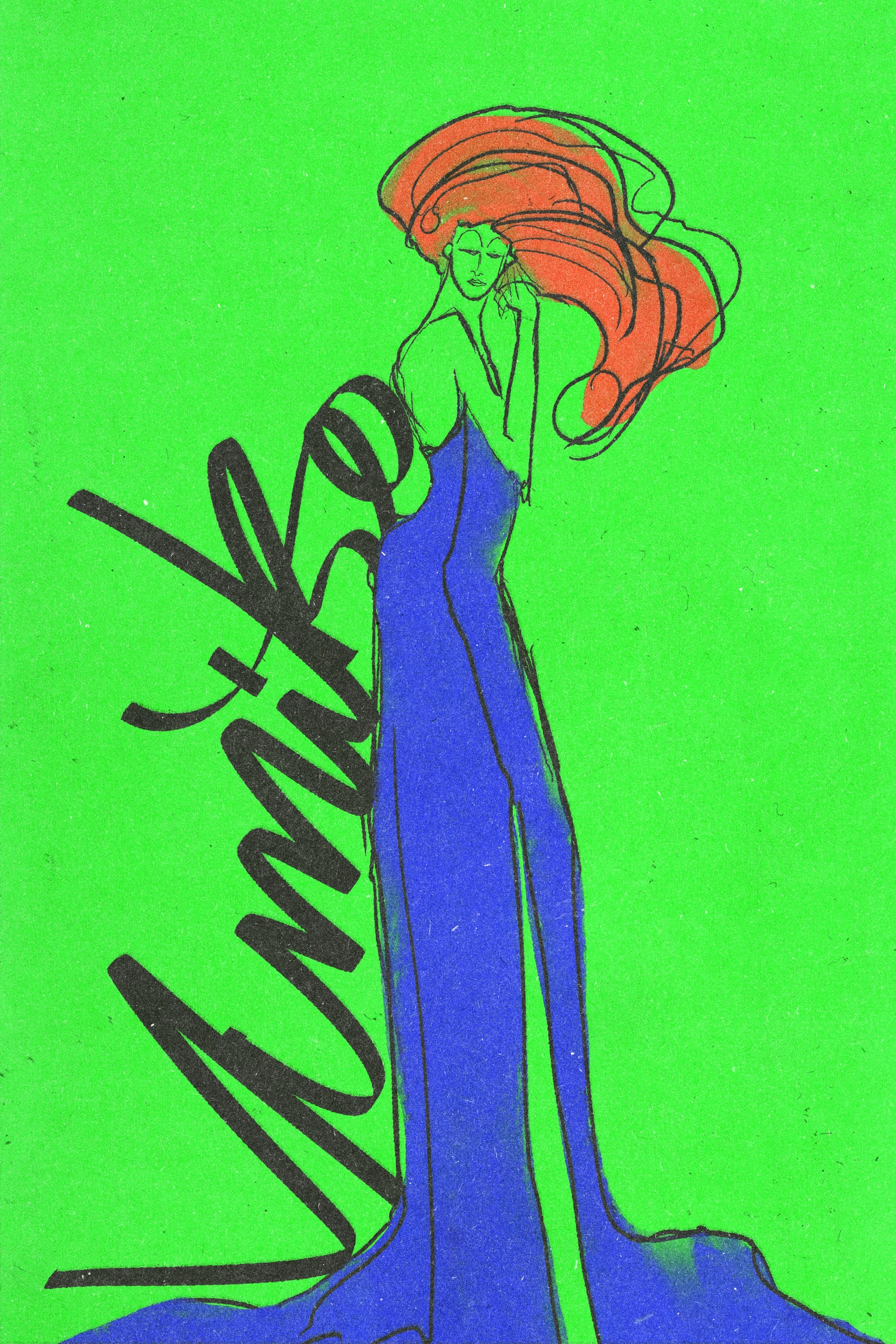

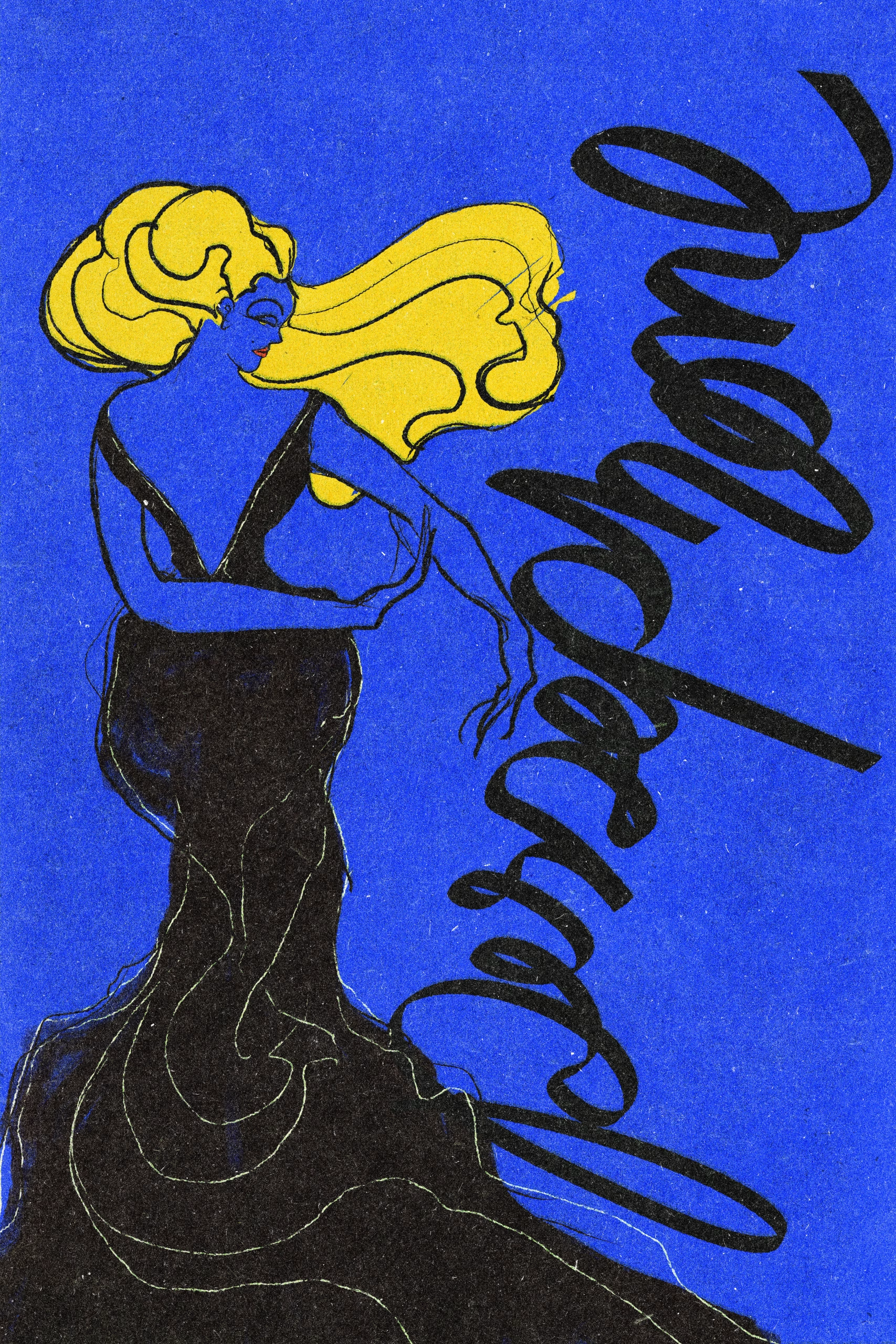

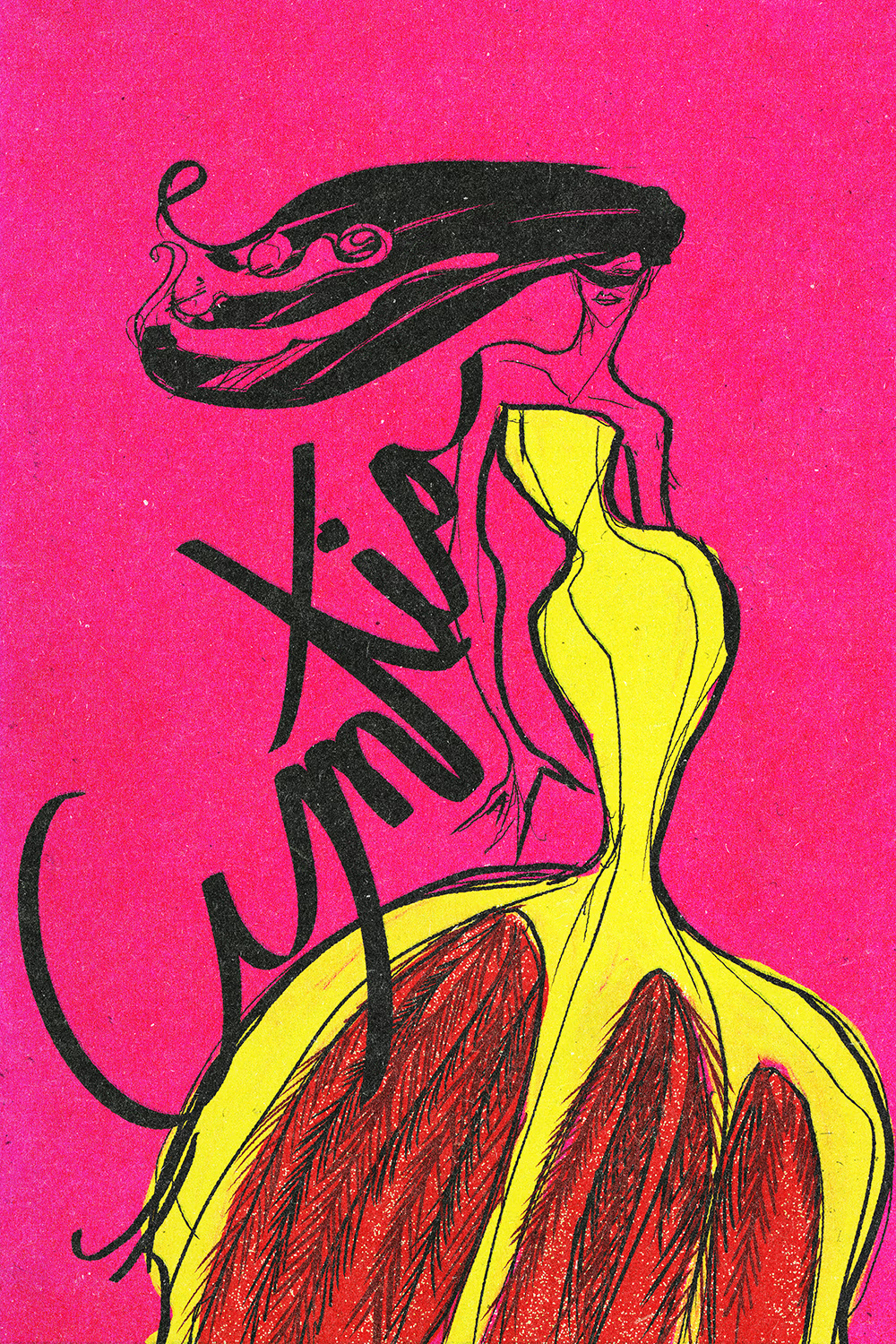
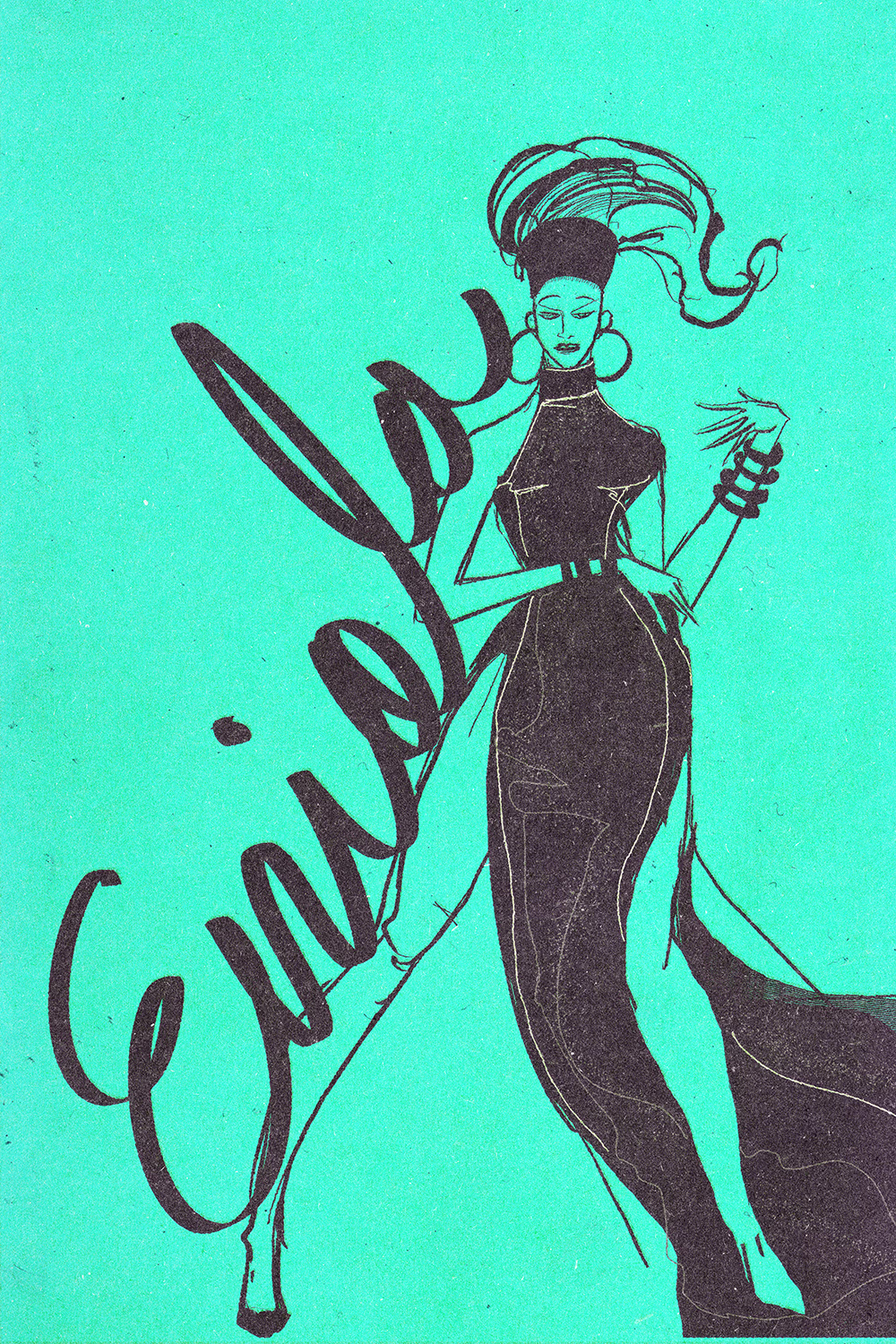
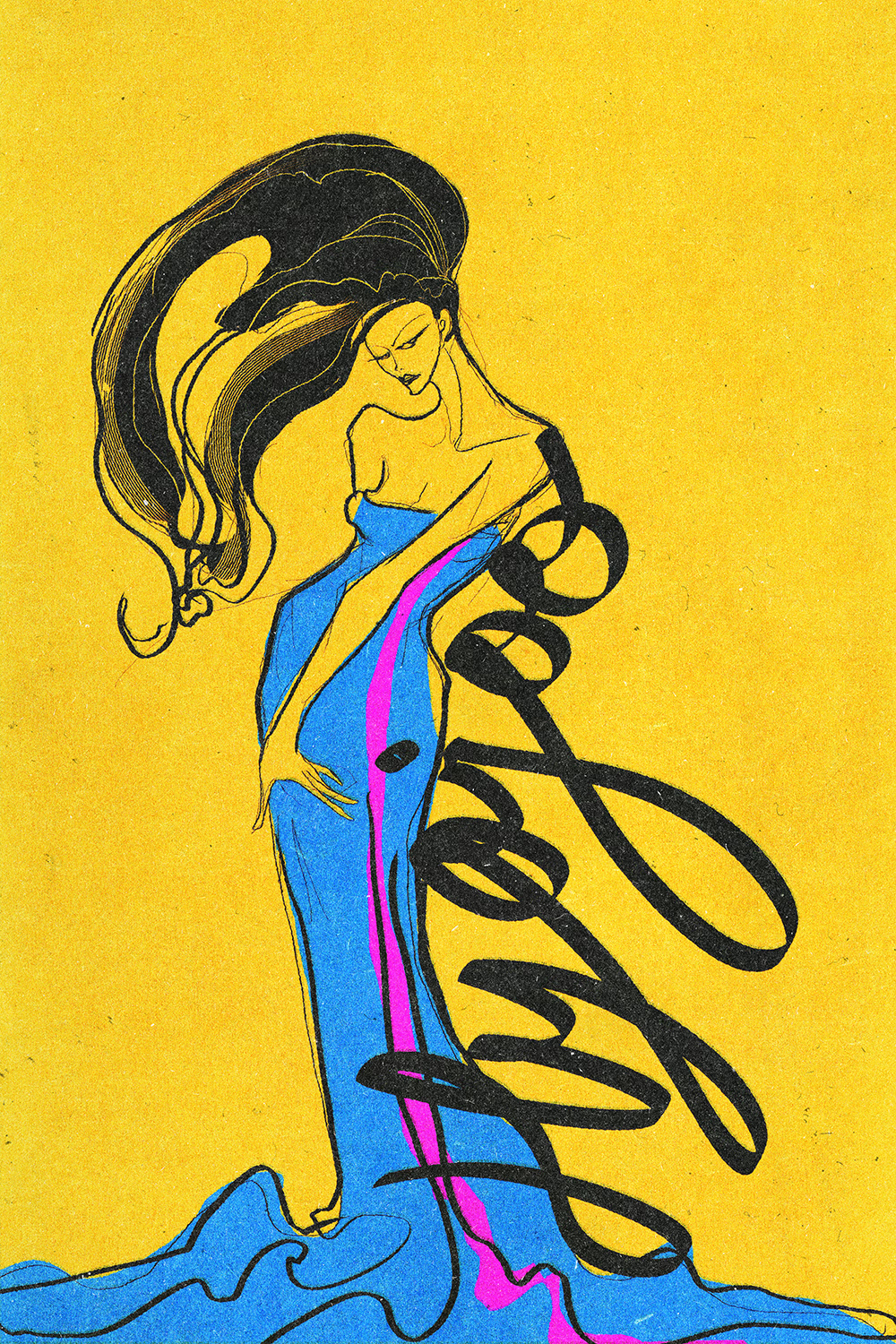


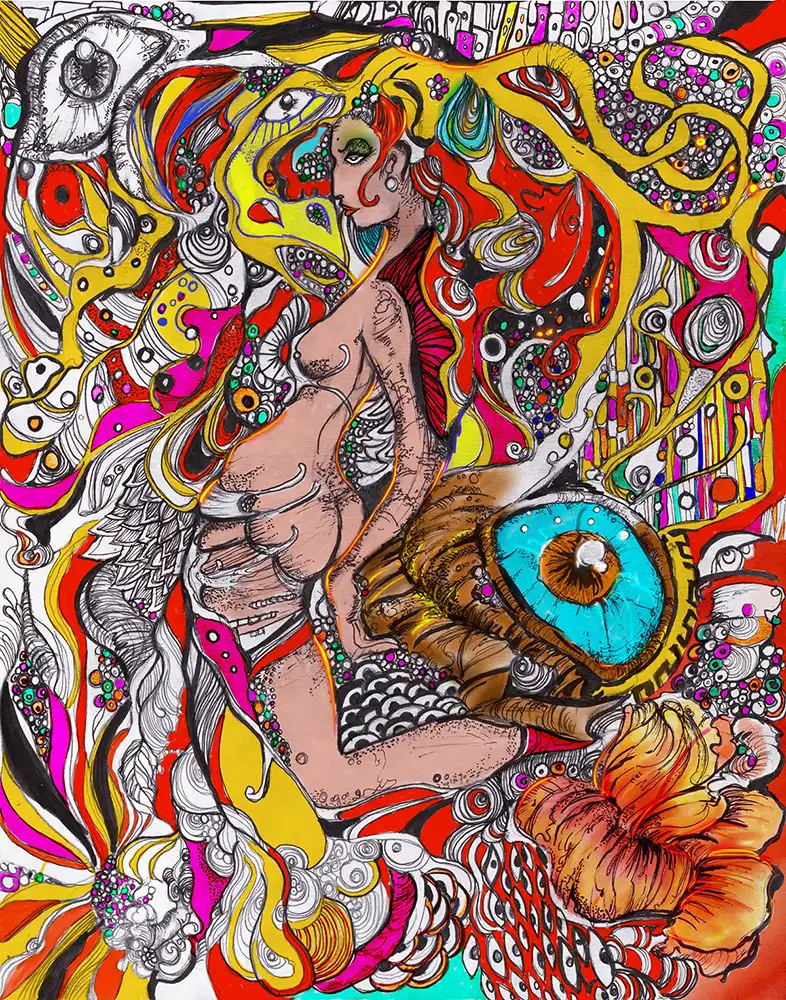
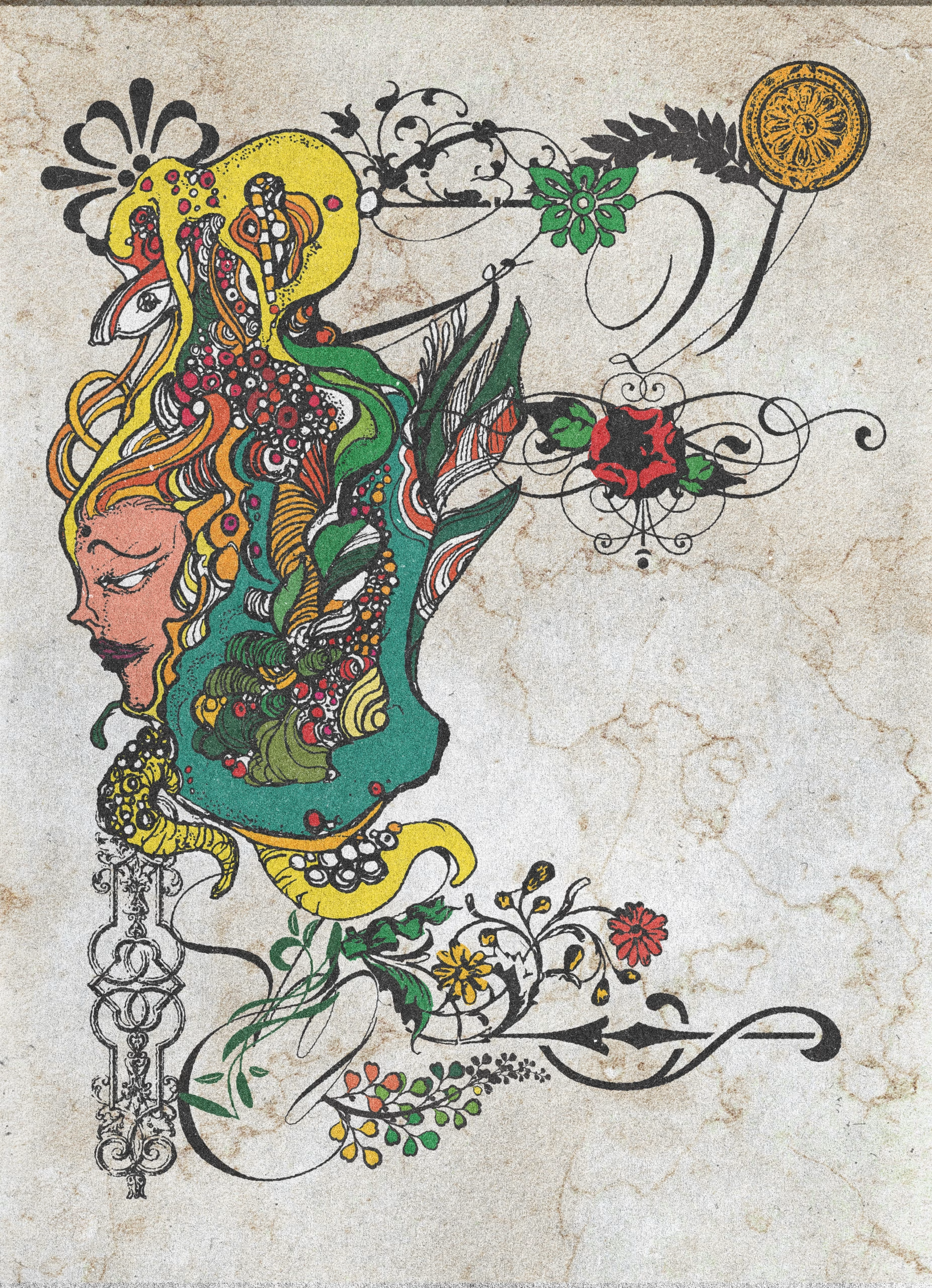
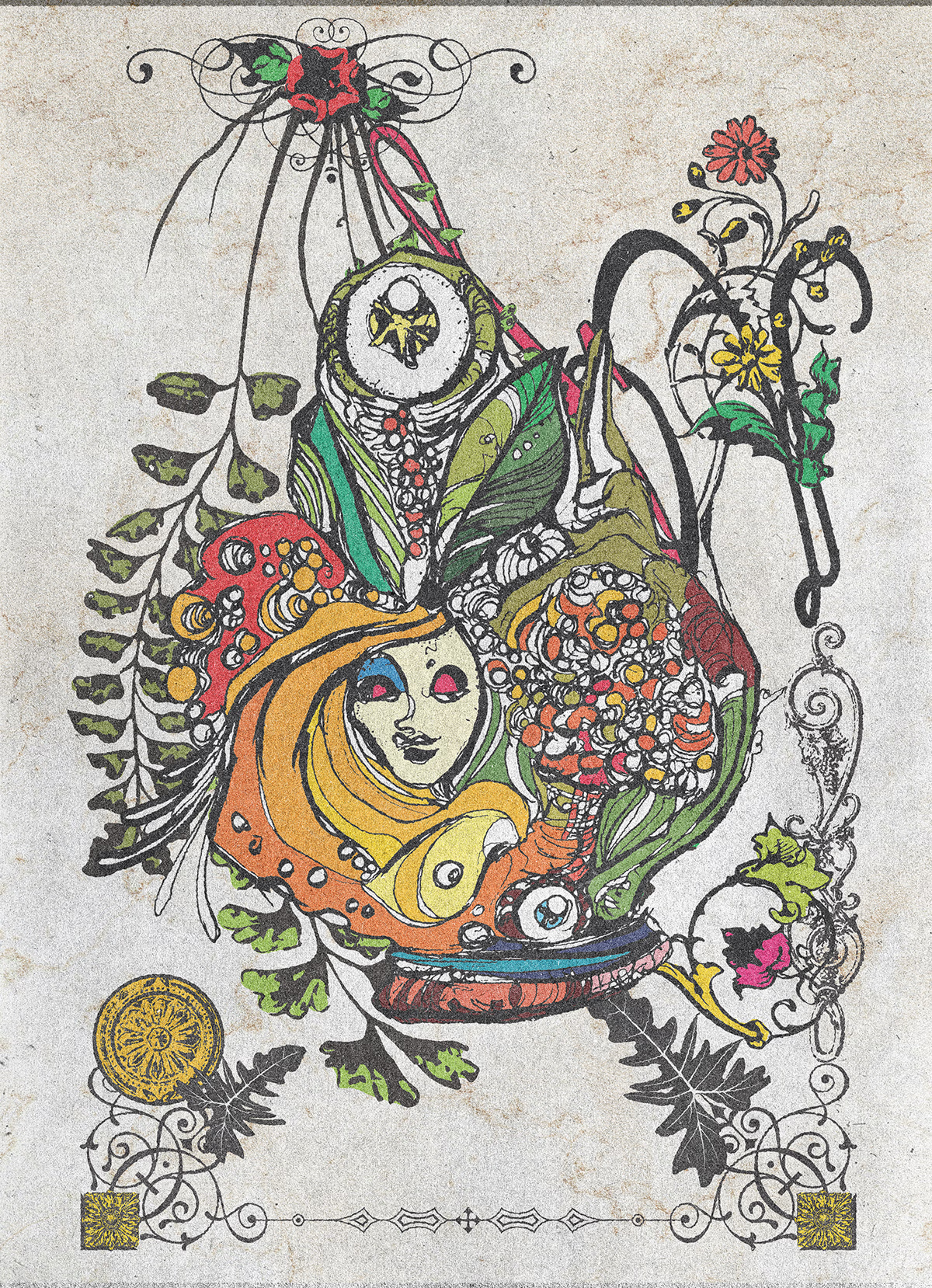
This series explores new visual perspectives on traditional mythological figures and creatures. Characterized by elaborate compositions and dense, interwoven details, the illustrations are designed to reward close inspection and encourage viewers to linger within the frame.
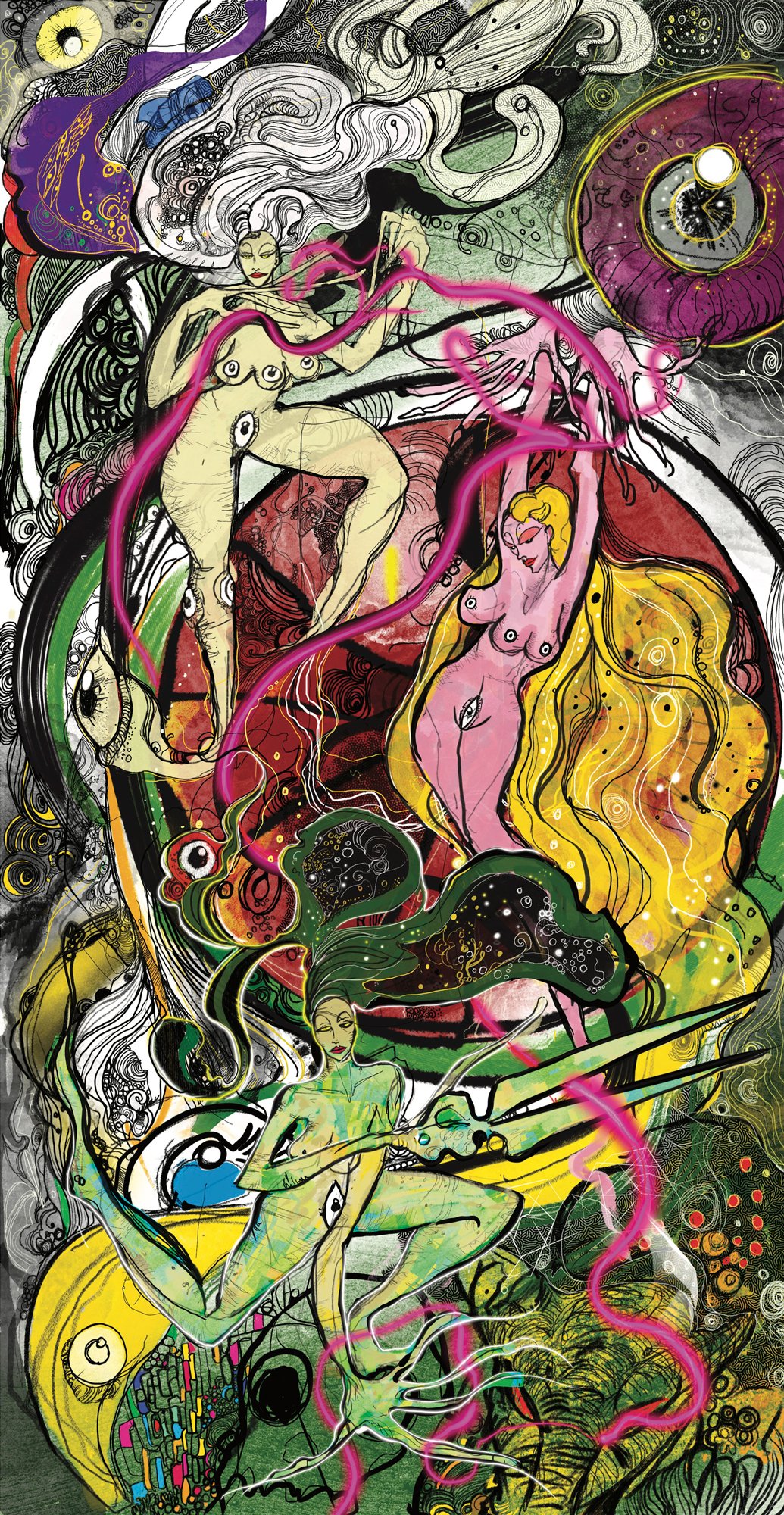
In Greek mythology, the Moirai—the three sisters who personify destiny—control the fate of both mortals and gods. Clotho spins the thread of life, Lachesis measures it, and Atropos cuts it. I have always been captivated by stories where female protagonists hold power that even the gods must reckon with. In some myths, Zeus challenges their authority, adding complexity to their narrative.
This fascination is the core inspiration for my ongoing Moirai series. Influenced by the ethereal and sensual aesthetics of Art Nouveau, combined with the dark, hellish-like, and haunting qualities of Hieronymus Bosch, I aim to create pieces that are both delicate and unsettling. I envision this series evolving into a larger exhibit, with additional elaborate and collateral works and creative merchandise that bring the Moirai's story into a contemporary context.
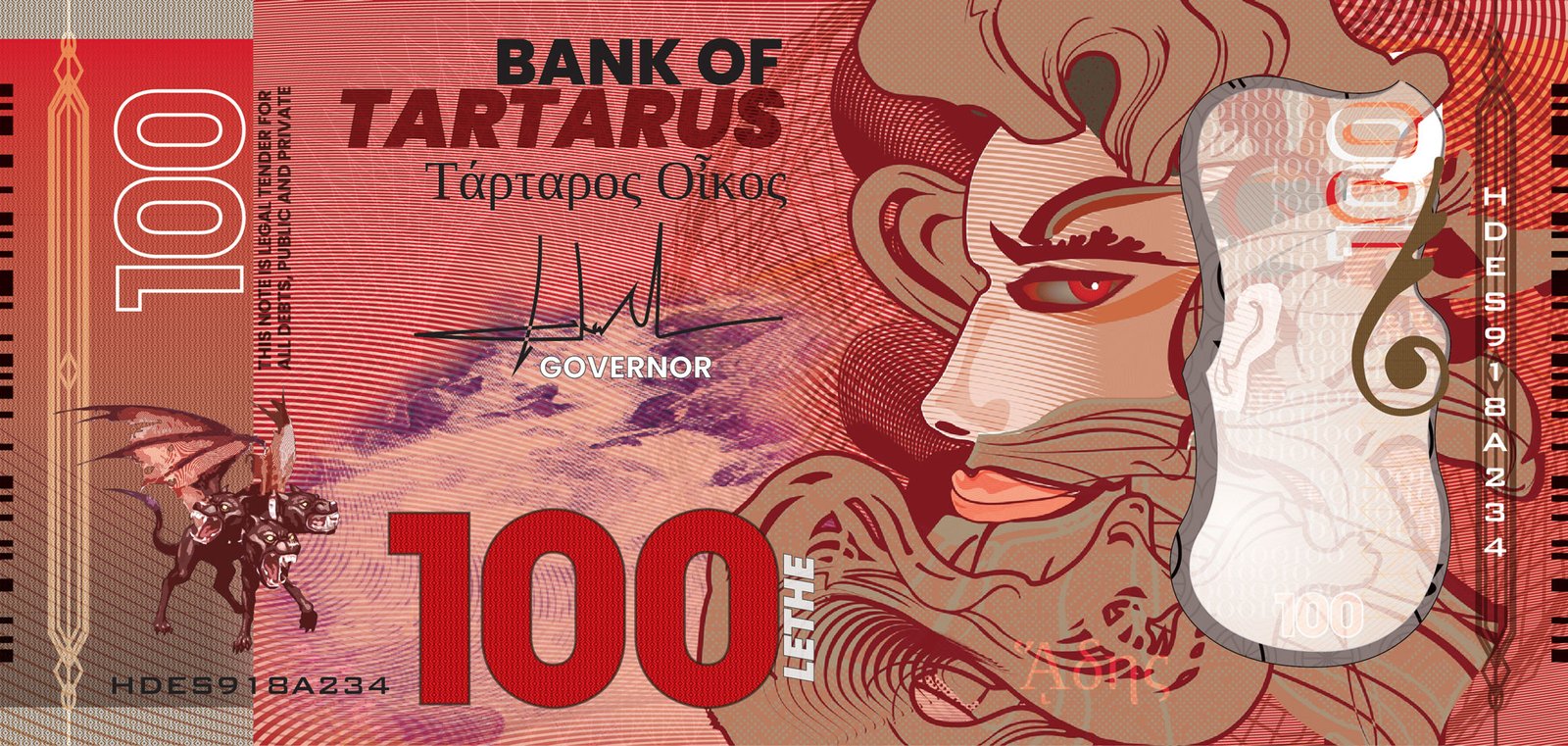
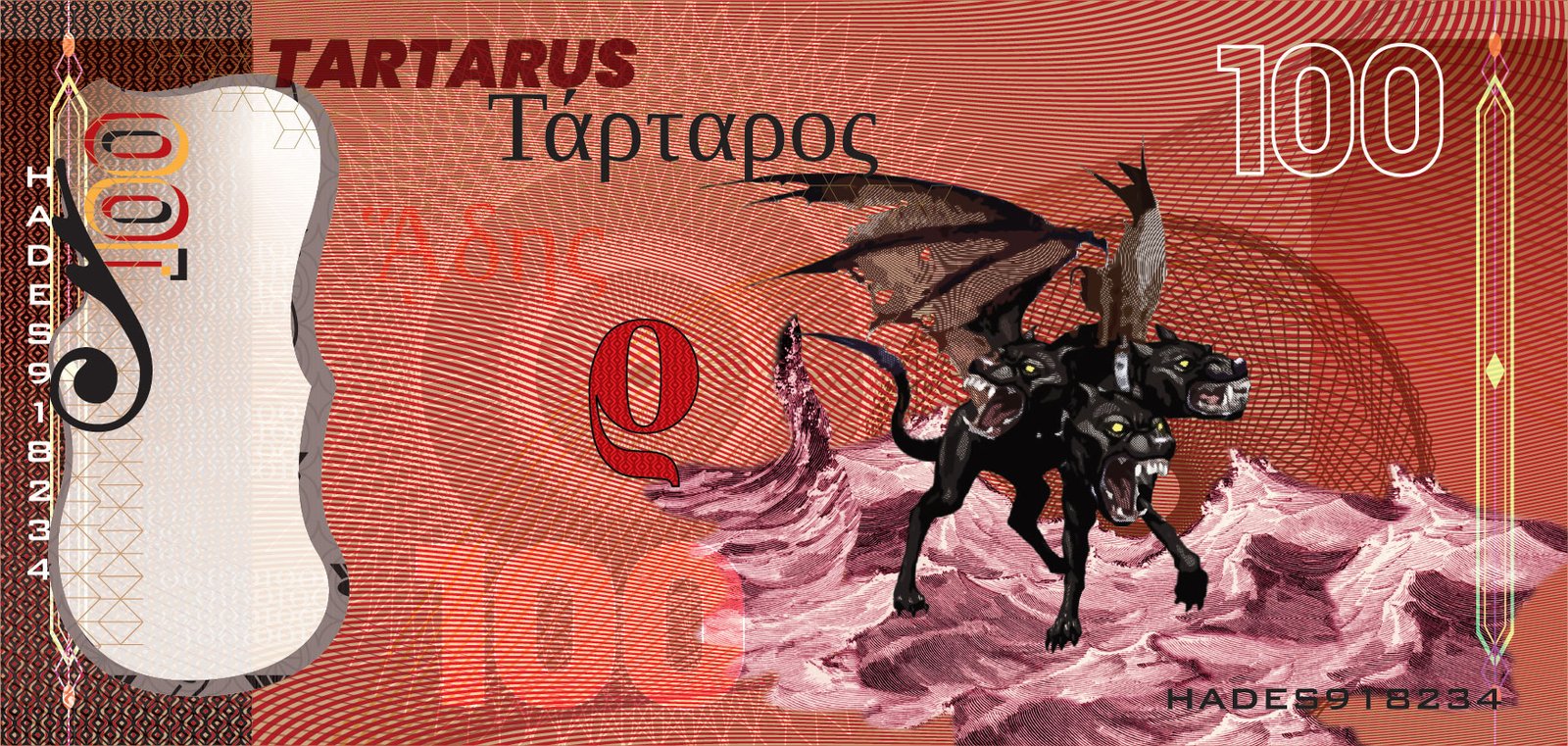
Drawing from classical Greek mythology, the Lethe currency series imagines a speculative monetary system designed for the residents and visitors of the underworld.
Named after the legendary River Lethe—the sacred waters of forgetfulness and oblivion where souls drank to erase the memories of their past earthly lives—the currency comprises three distinct denominations: 100 Lethe (featuring Hades), 50 Lethe (featuring Persephone), and 20 Lethe (featuring the Moirai, or Sisters of Fate).
This conceptual project bridges ancient myth with contemporary design, embedding legendary figures into intricate, modern landscape compositions.
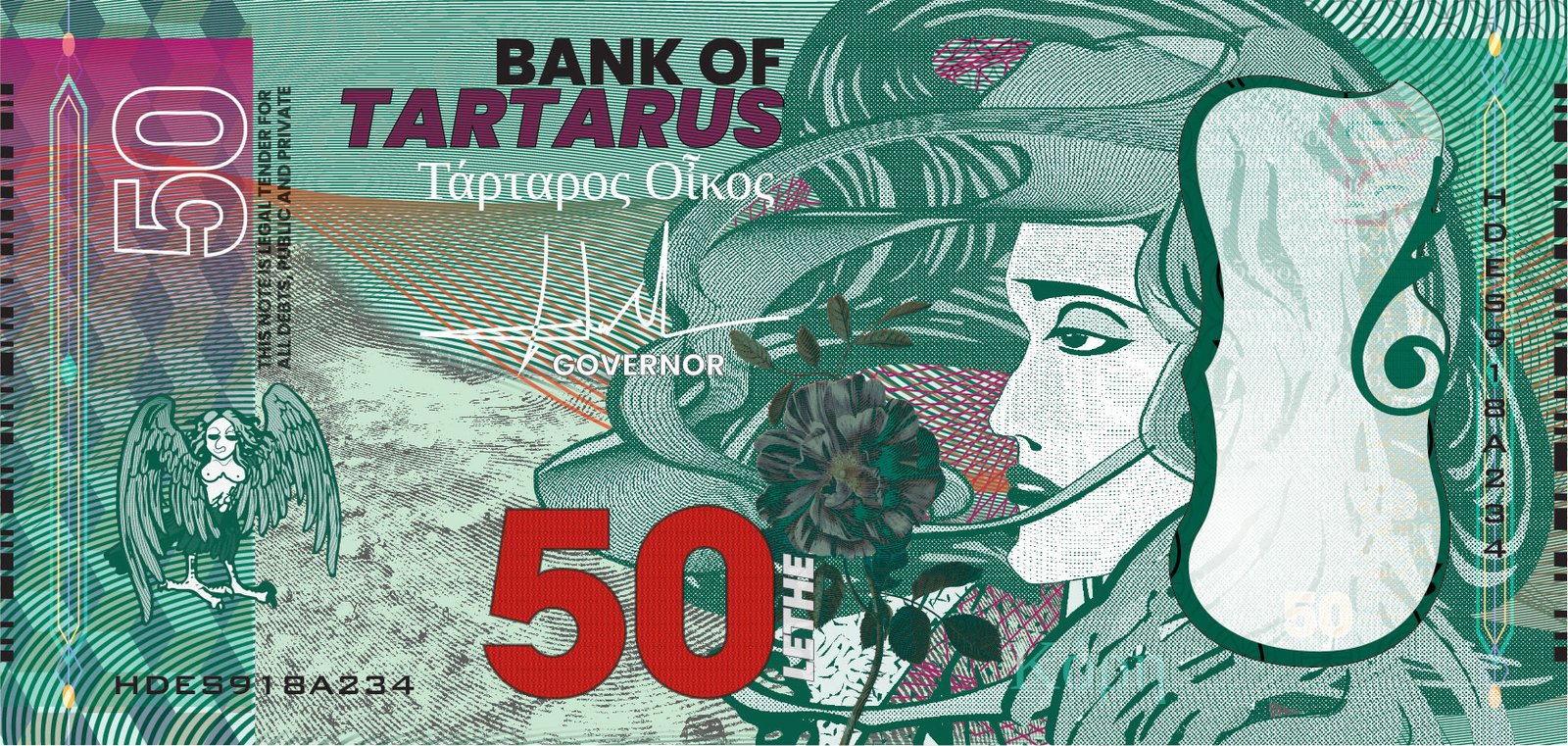
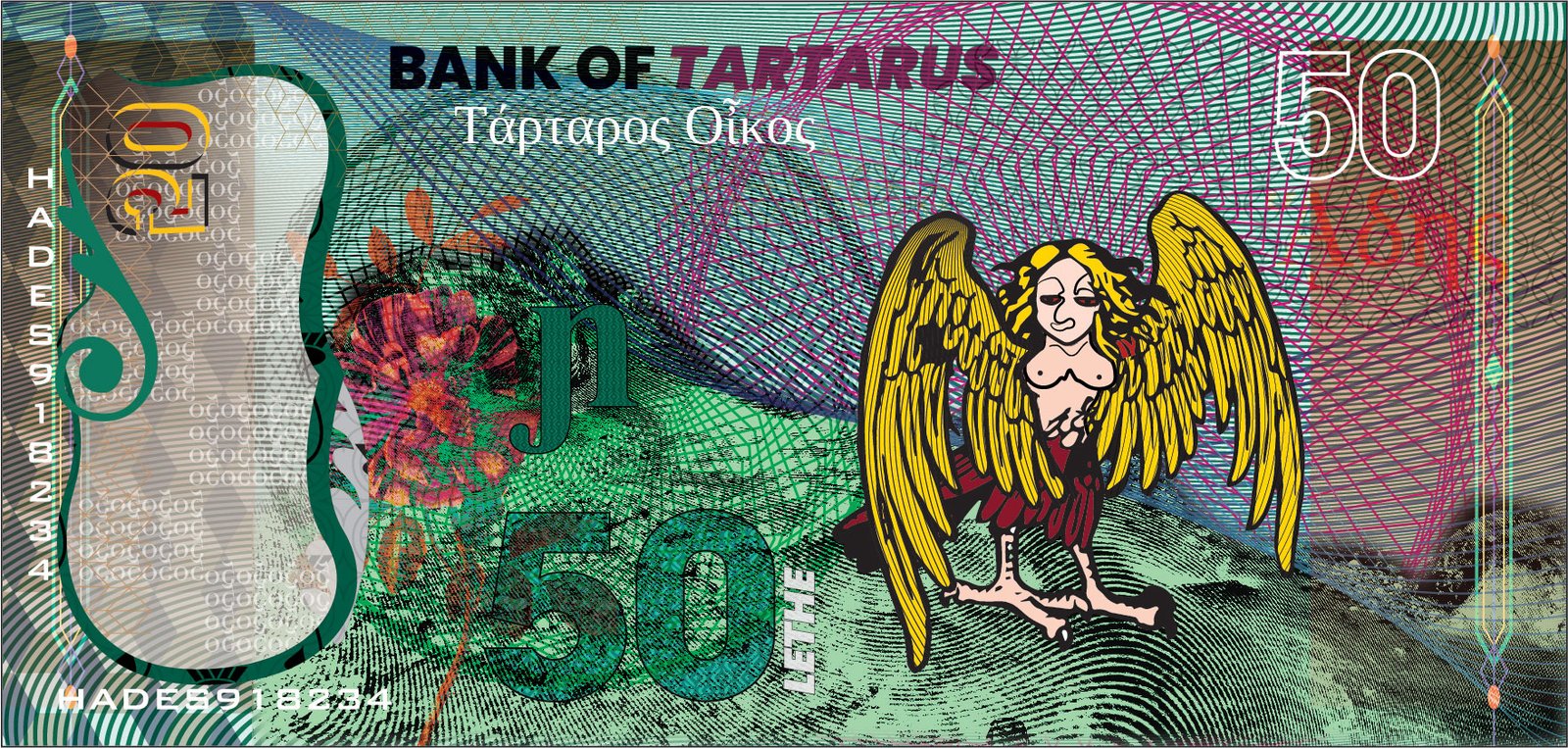
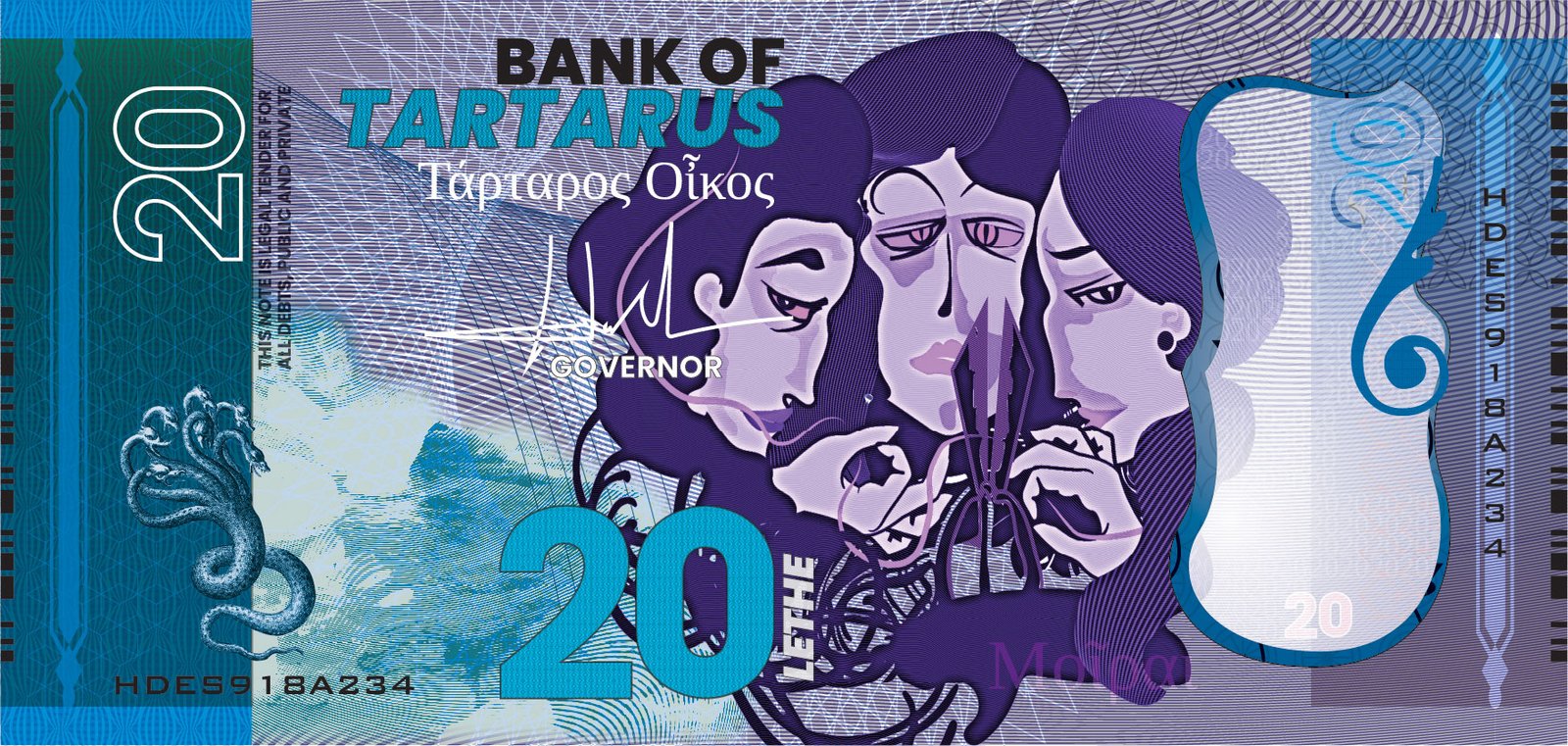
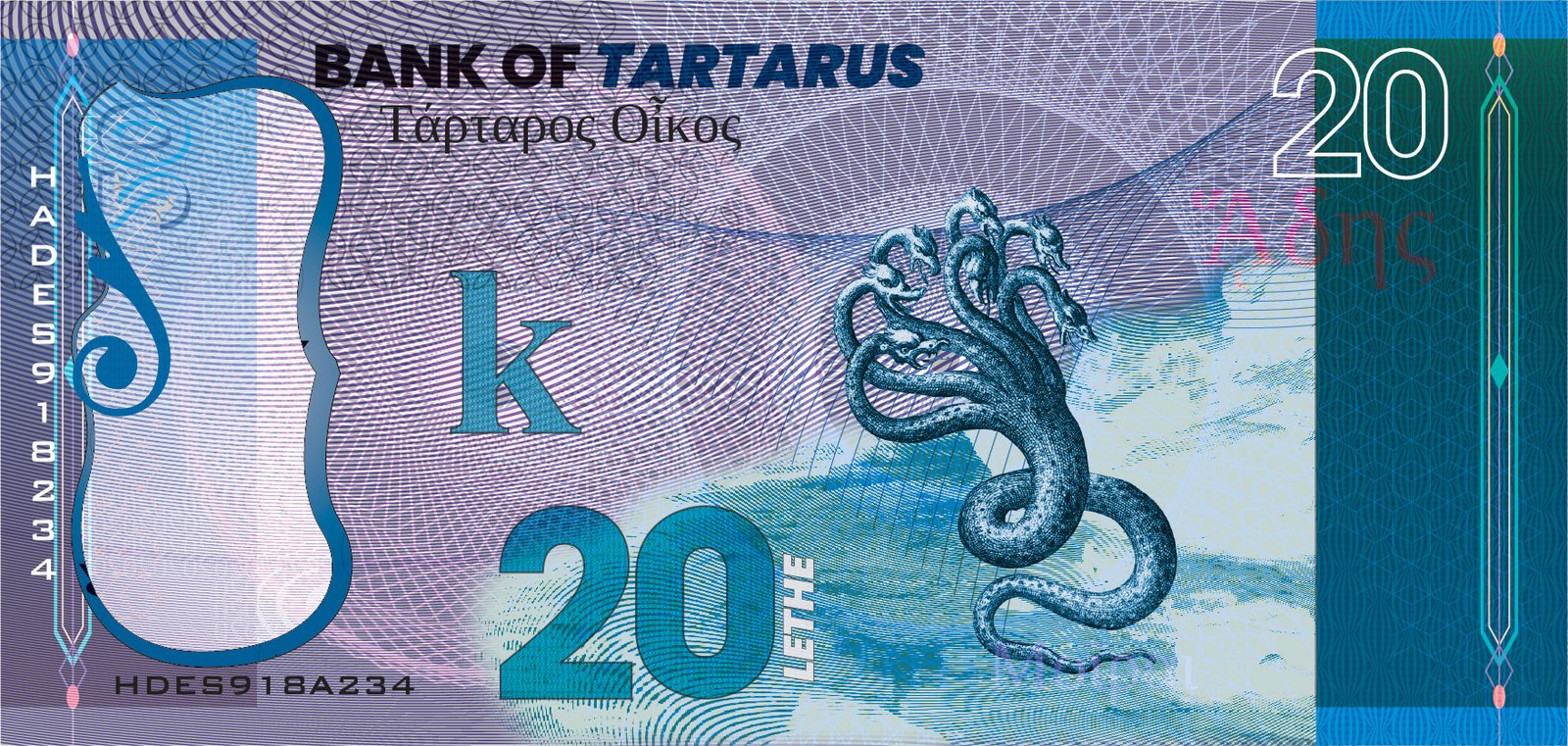


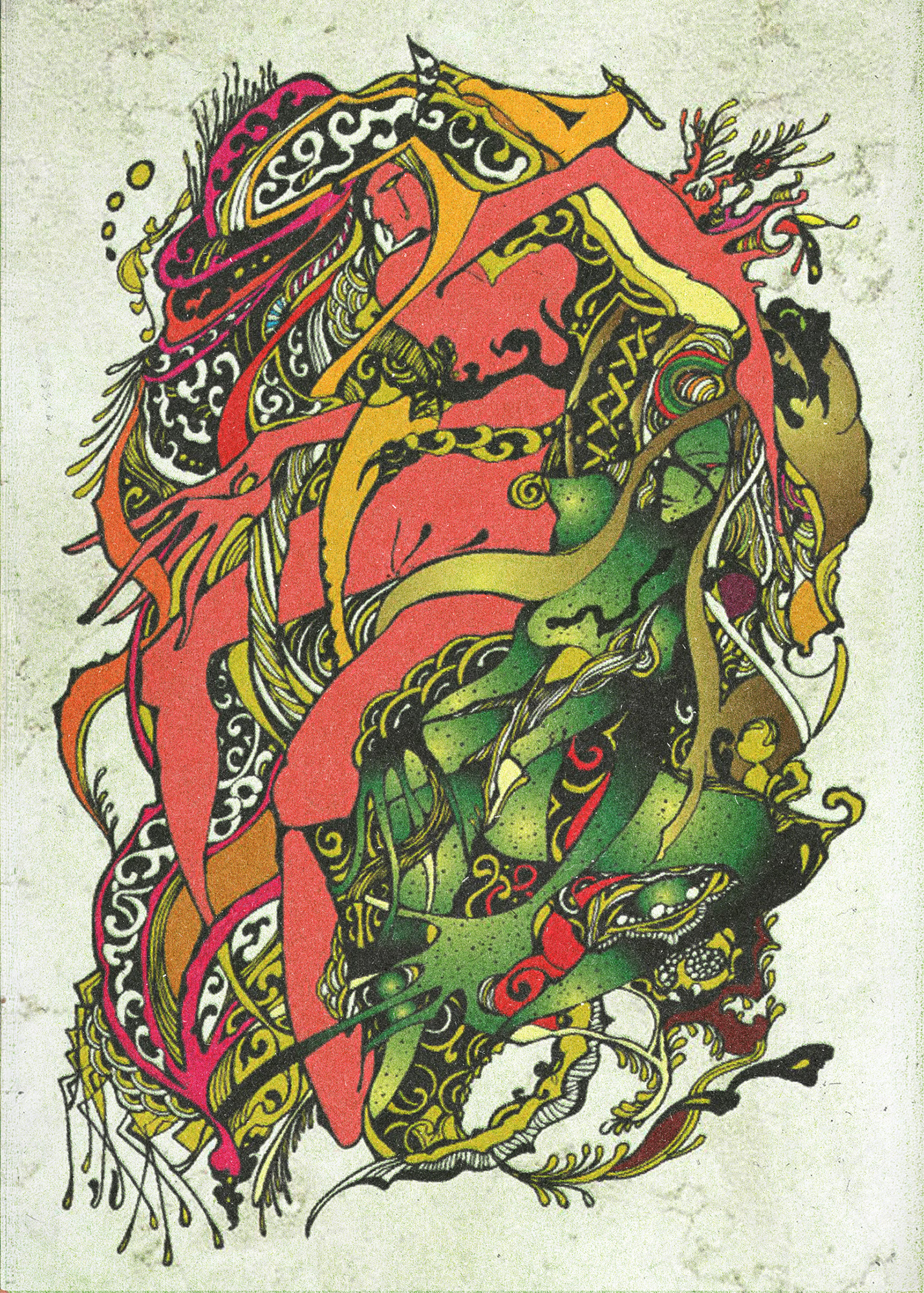


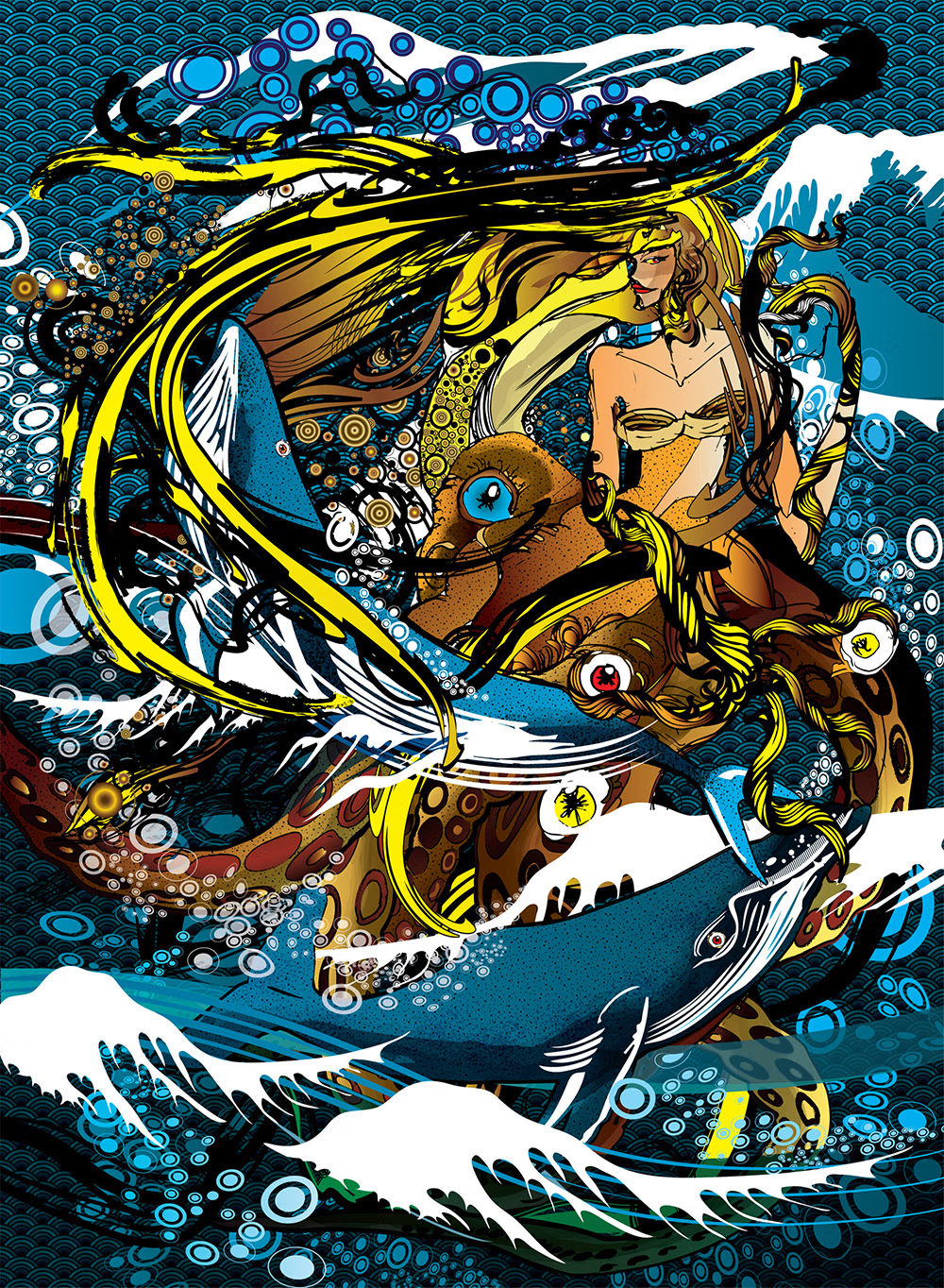
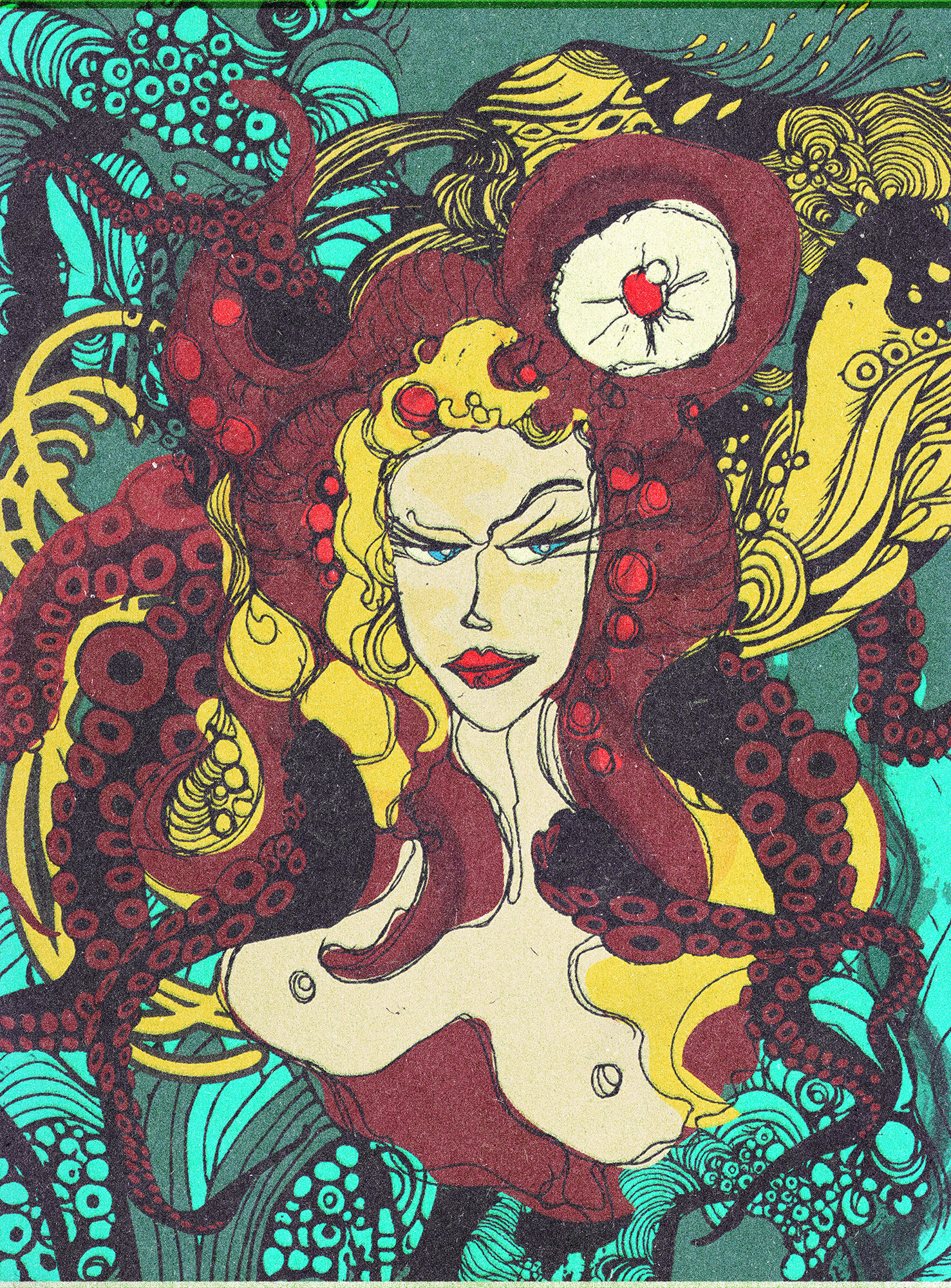
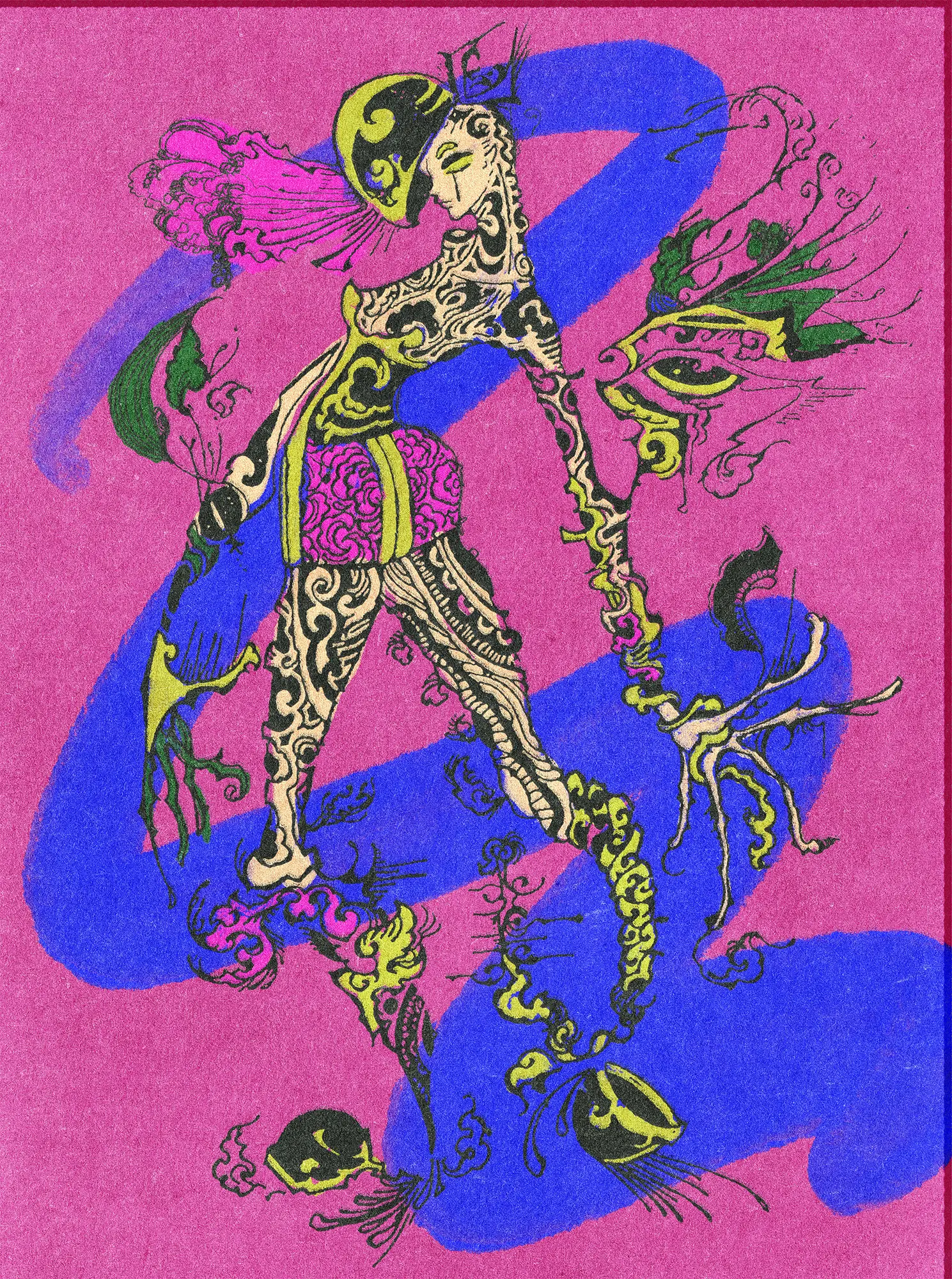
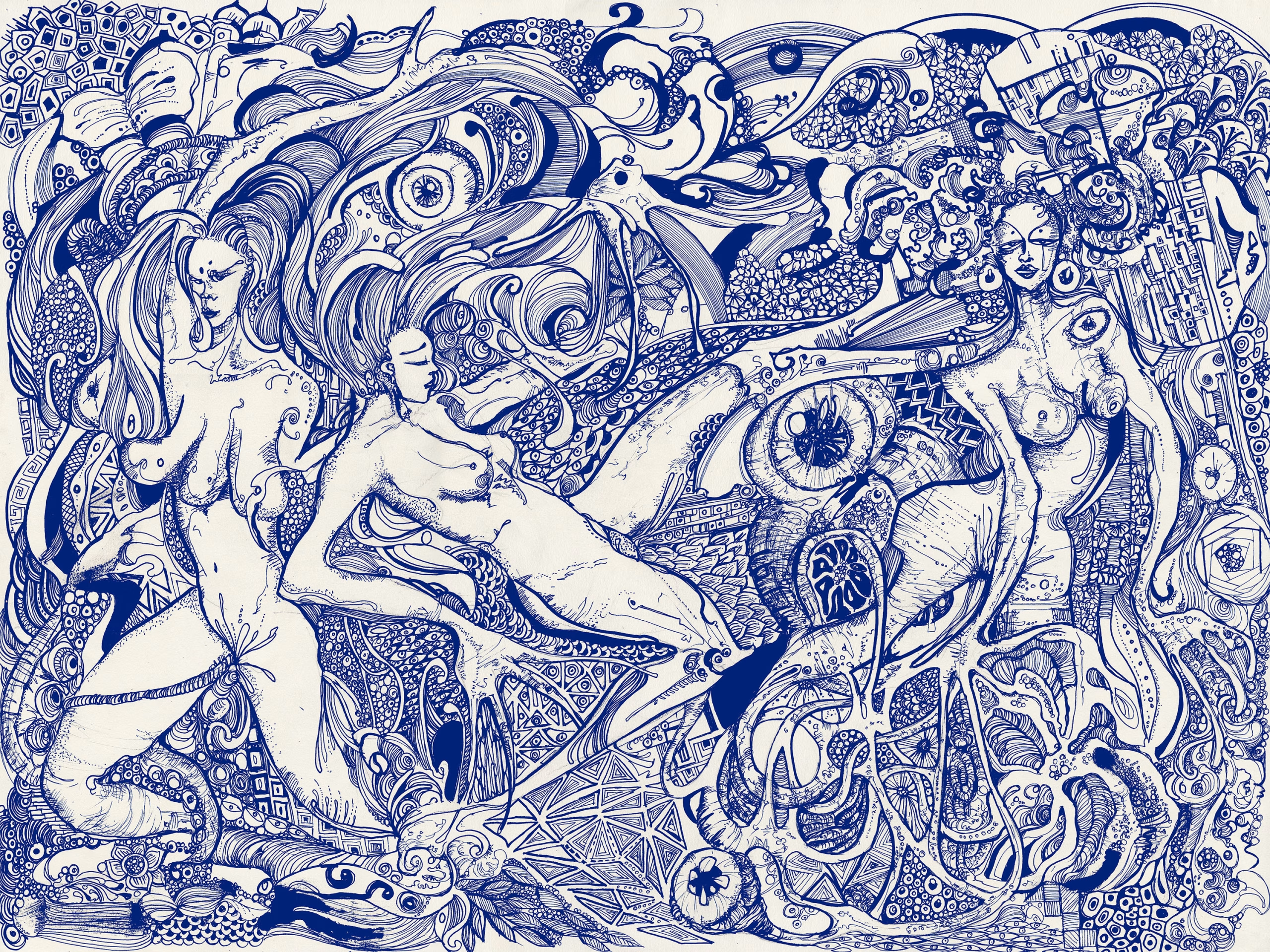
This collection brings together a diverse series of illustrations that reimagine classical mythology, folklore, and speculative narratives through a captivating design lens. By blending ancient archetypes with elaborate flora, fauna,and otherworldly creatures, these works construct dense, interconnected visual landscapes built on a fresh storytelling language. Characterized by meticulous compositions and uncompromising attention to detail, each piece is designed to reward close inspection—inviting viewers to slow down, uncover hidden symbolism, and explore a universe of intricate craftsmanship woven into every corner of the frame.



During eight days of isolation in the spring of 2022, I turned the experience of monitoring my symptoms into a quiet exercise in care, treating my own body with the same delicate precision required to maintain my living terrariums.
Across eight distinct artworks, this series reimagines myself alongside the plant life thriving in my indoor glass worlds, exploring the fragile parallel between human biology and botanical growth.
Integrated with the daily musical soundtracks that mirrored my shifting moods and grounded in entries from my personal diary, this project tells a deeply personal story, mapping out the slow, evolving details day by day.


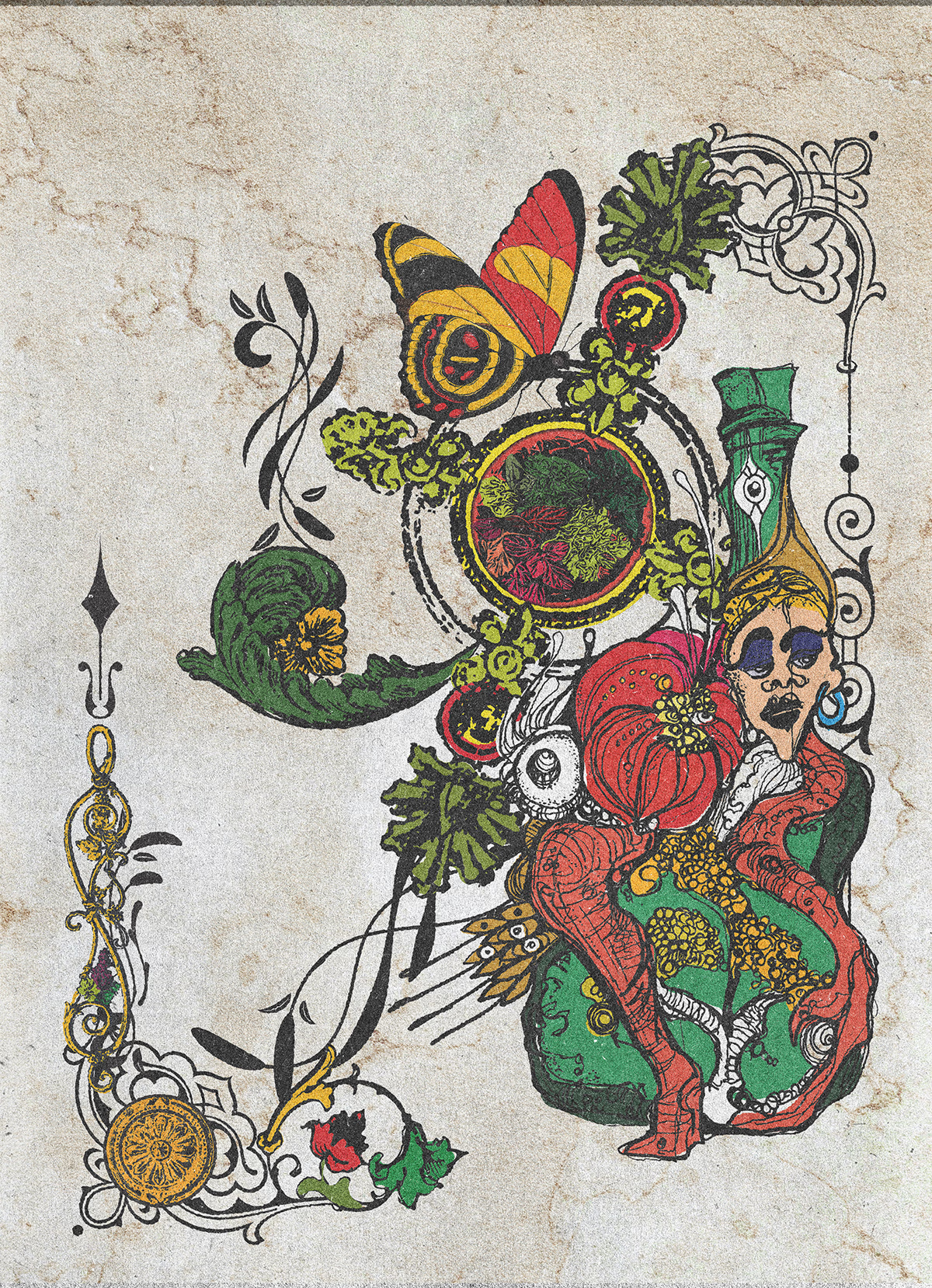

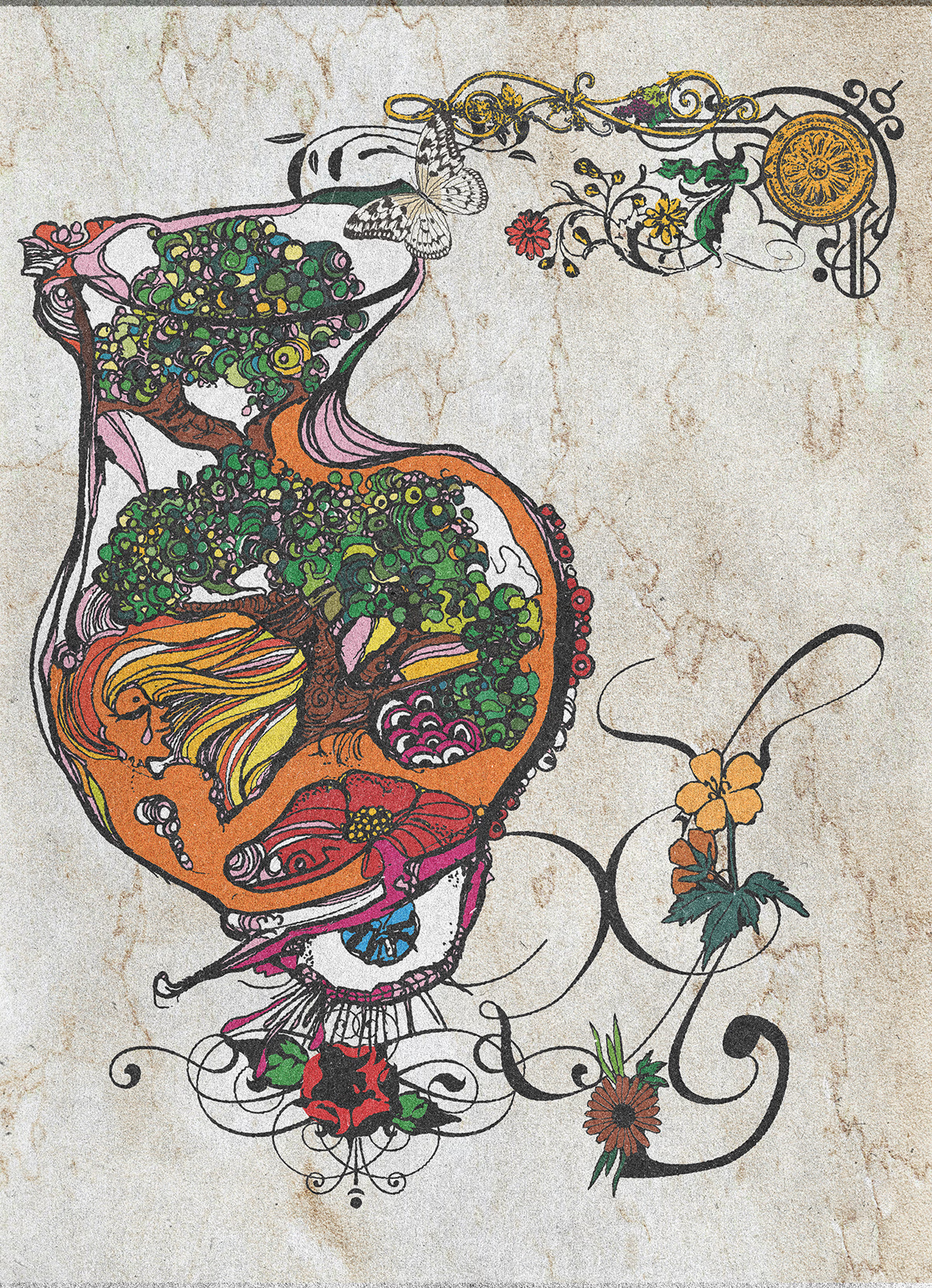
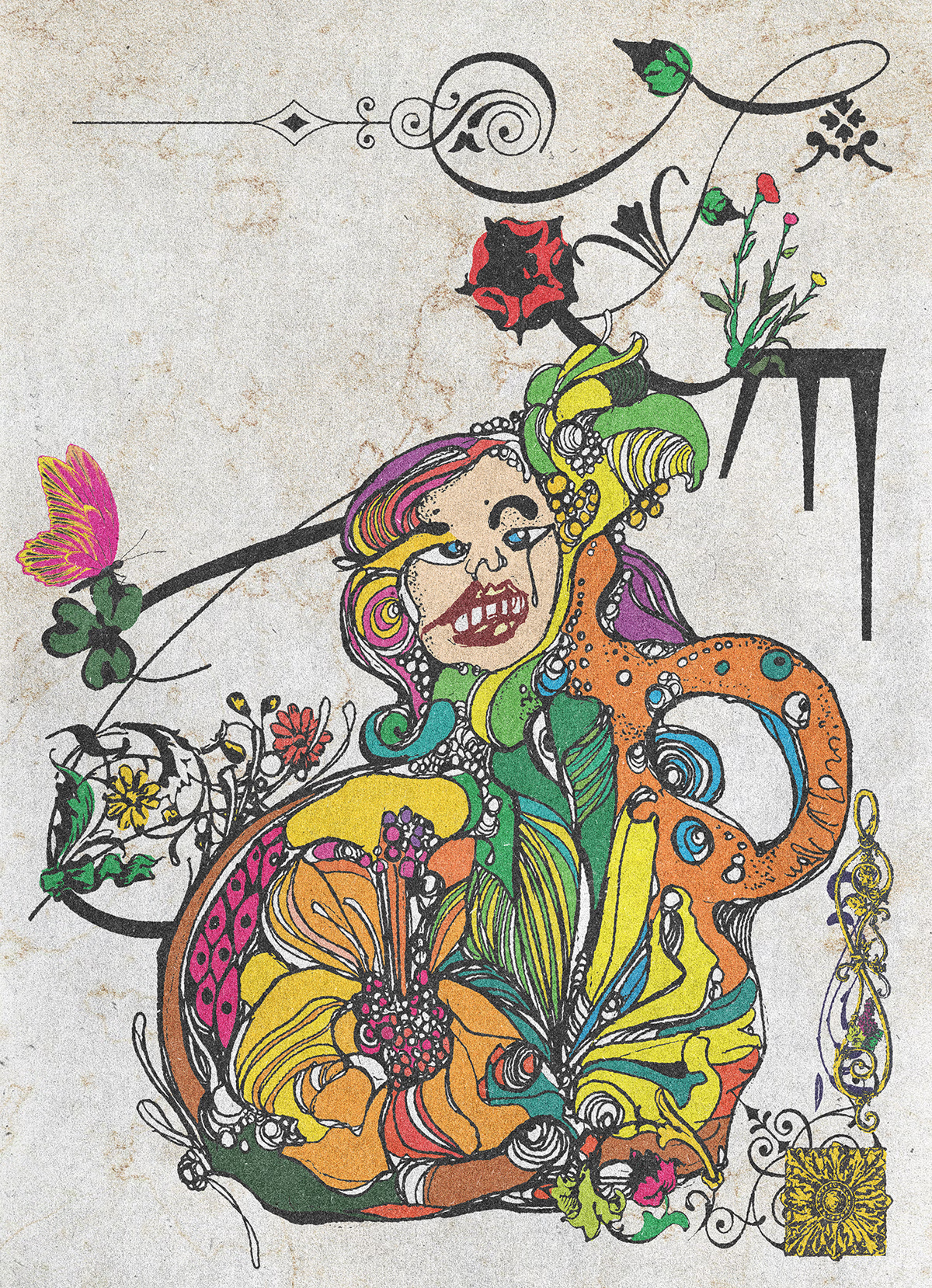
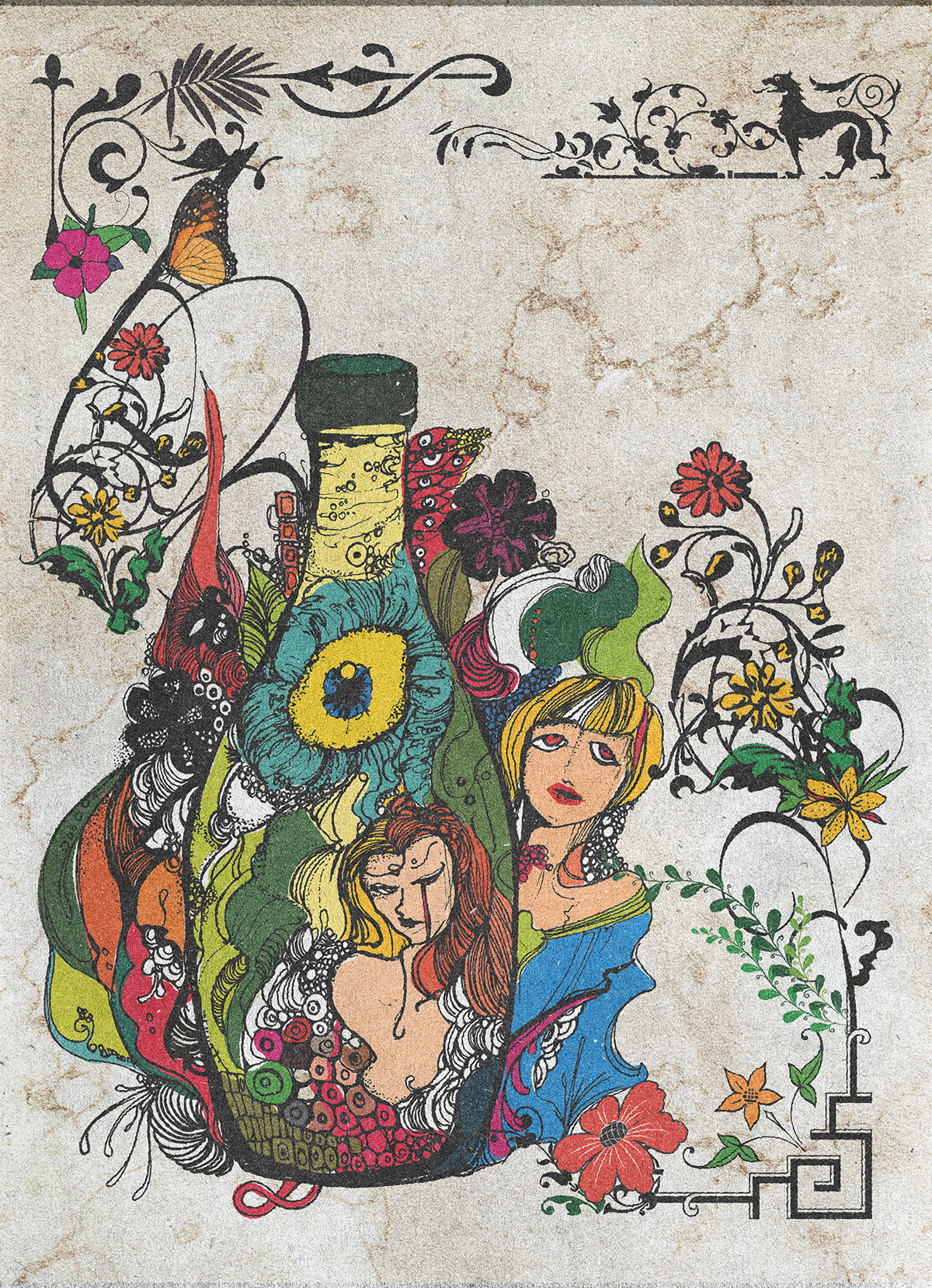

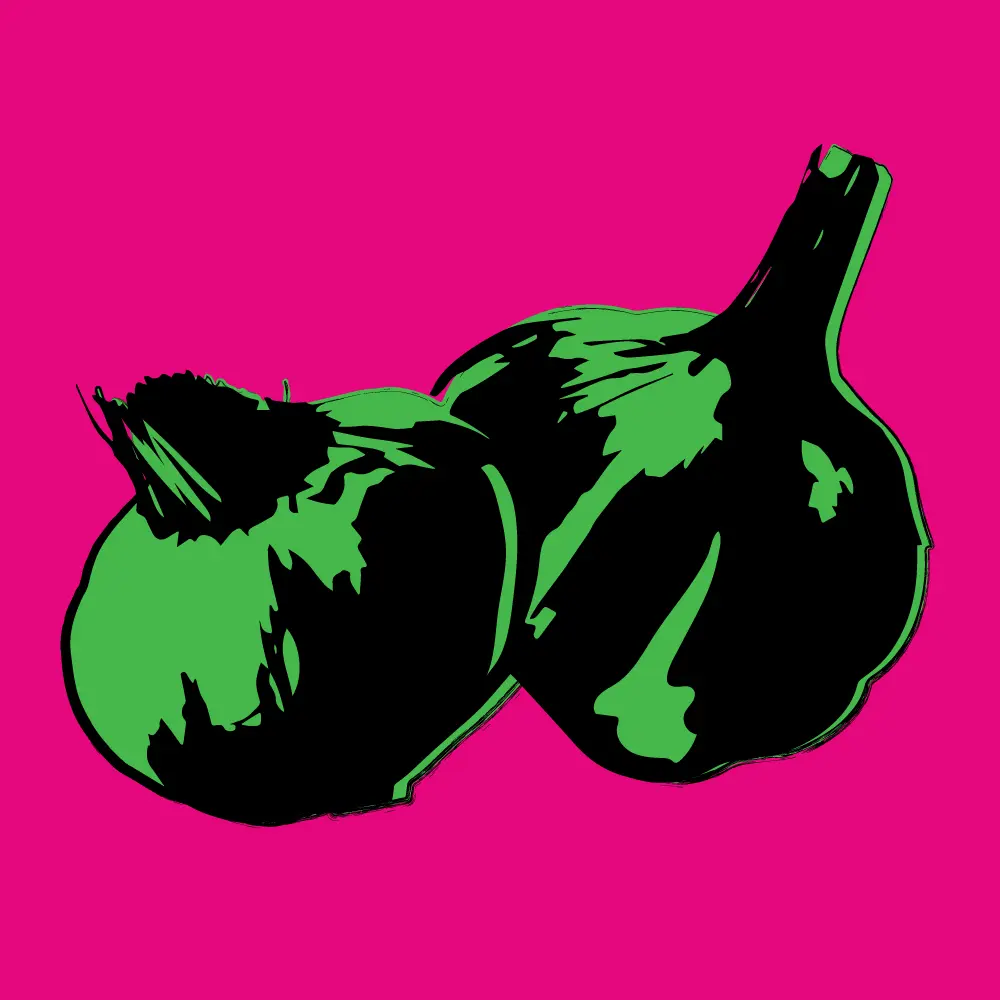
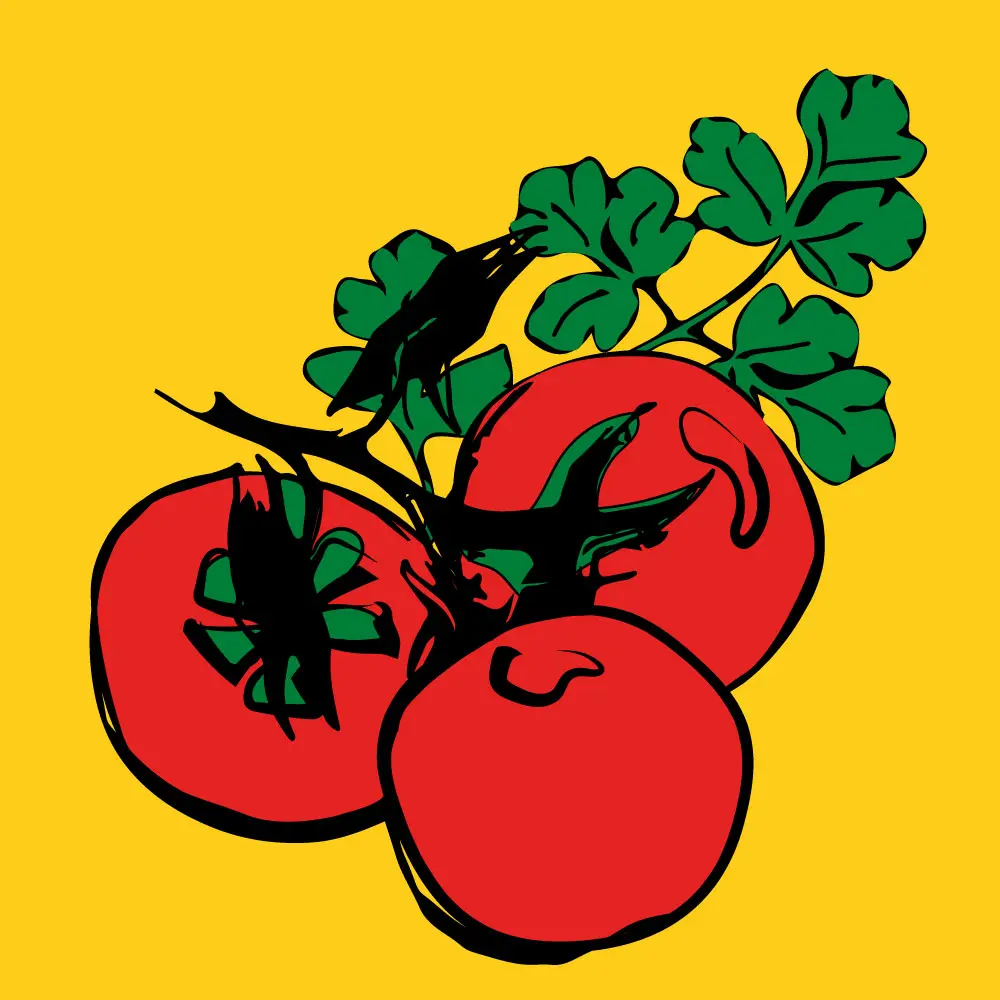
An open-ended exploration of food, culture, and imagination, moving freely across subjects, styles, and perspectives. Each work reveals a different way of seeing, interpreting, and transforming the world of food into image and storytelling.
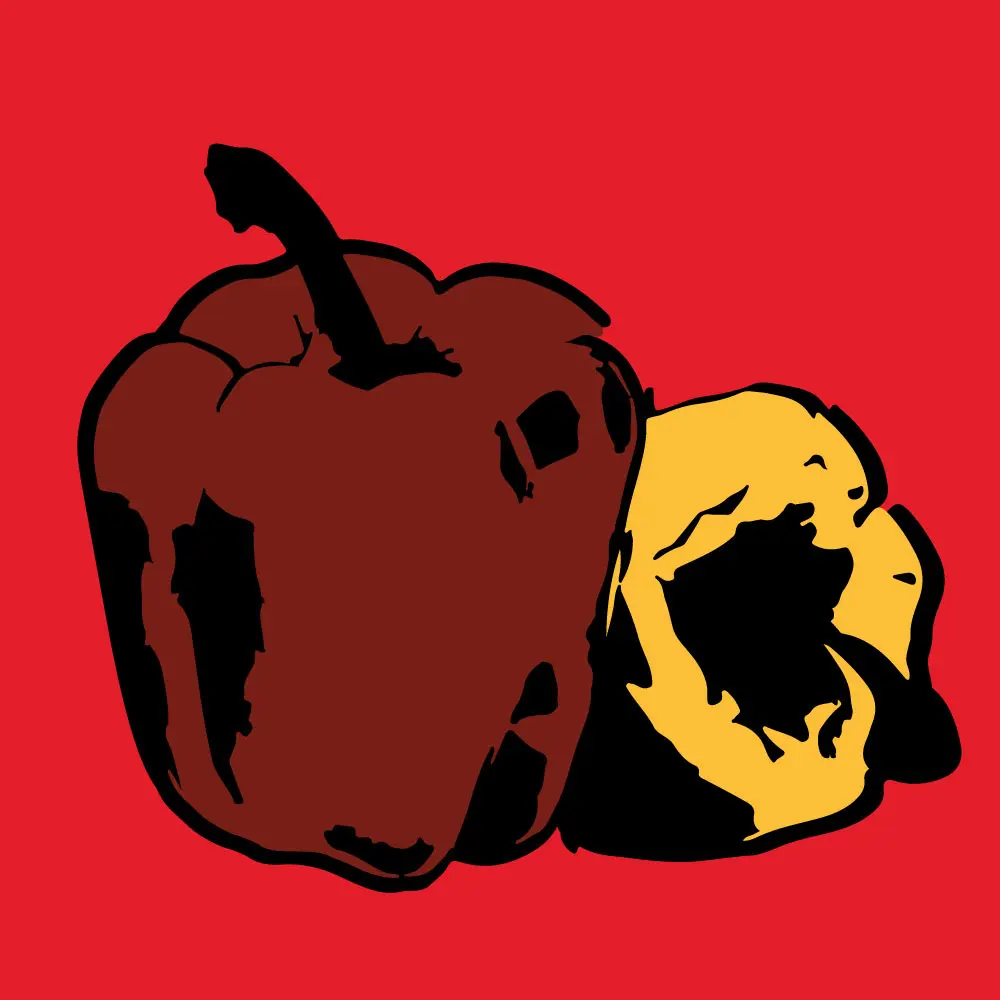

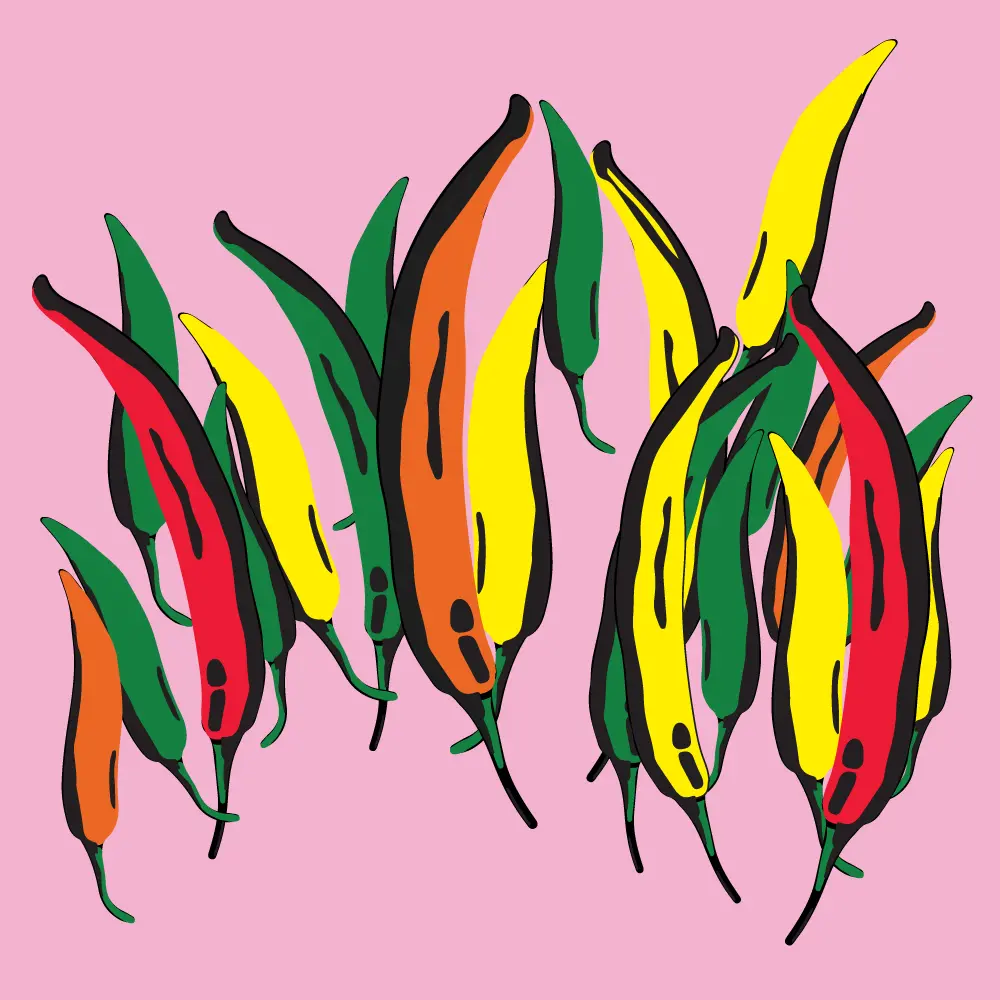

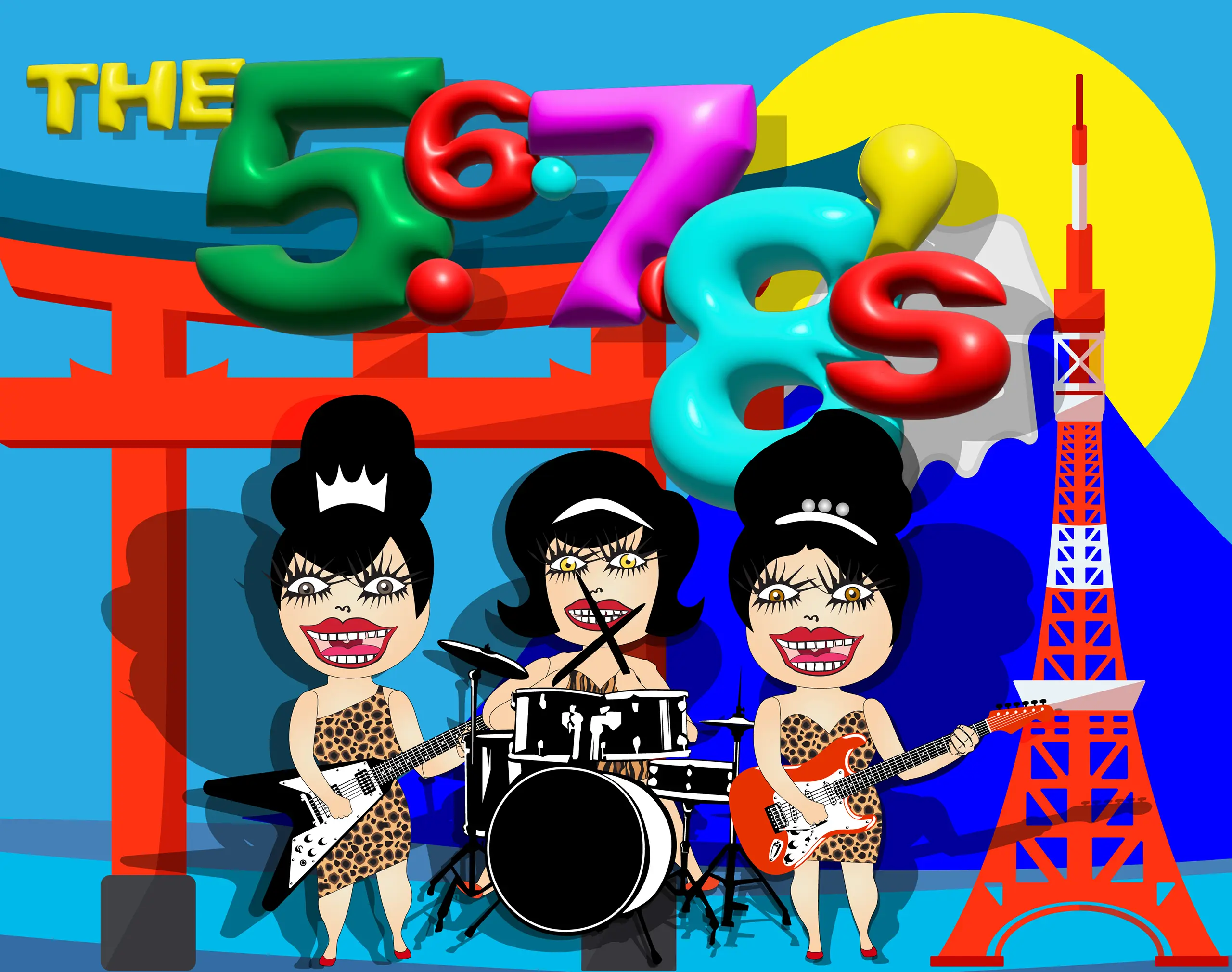
Playful explorations of strange ideas, unexpected forms, and the joy of making.


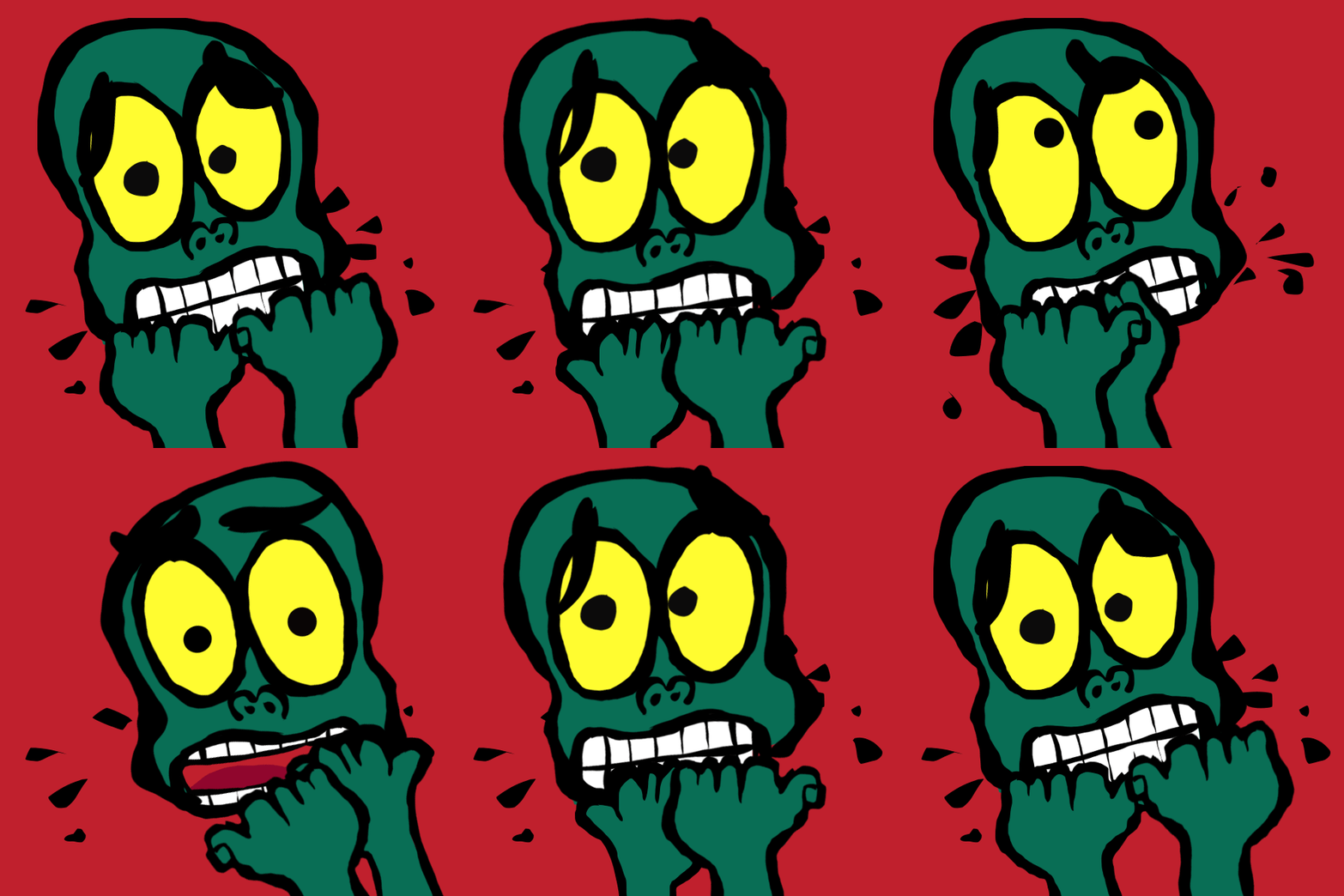

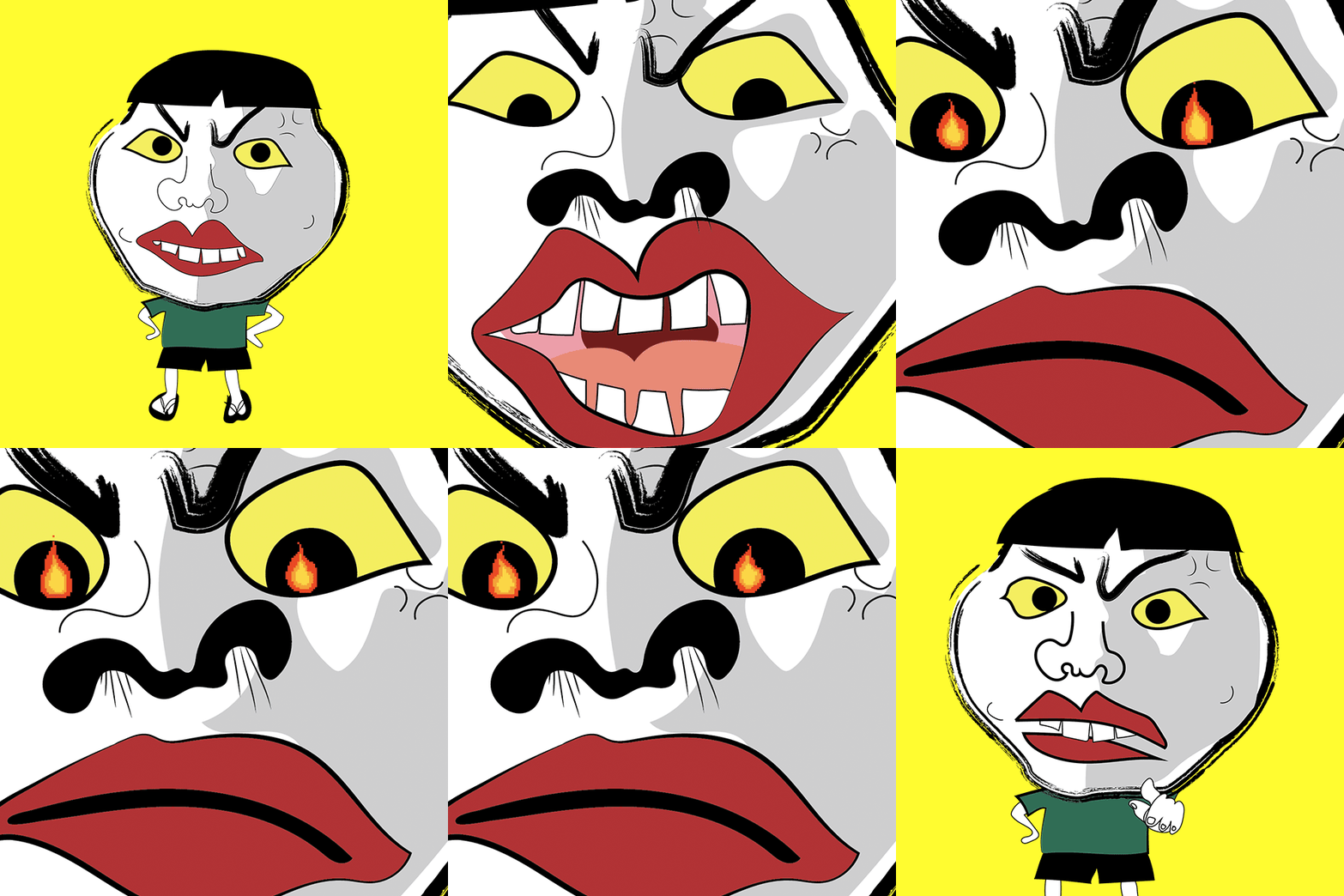

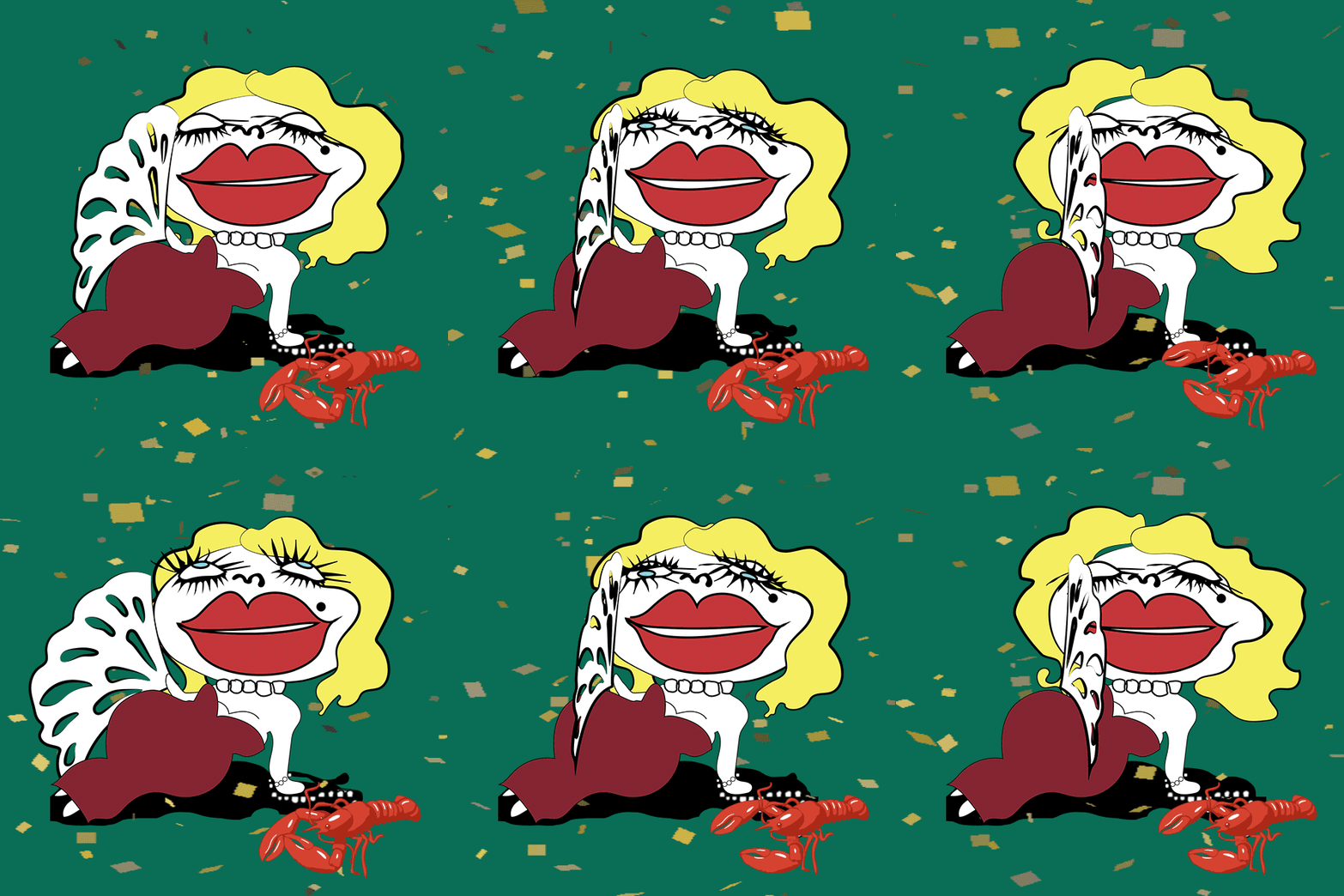

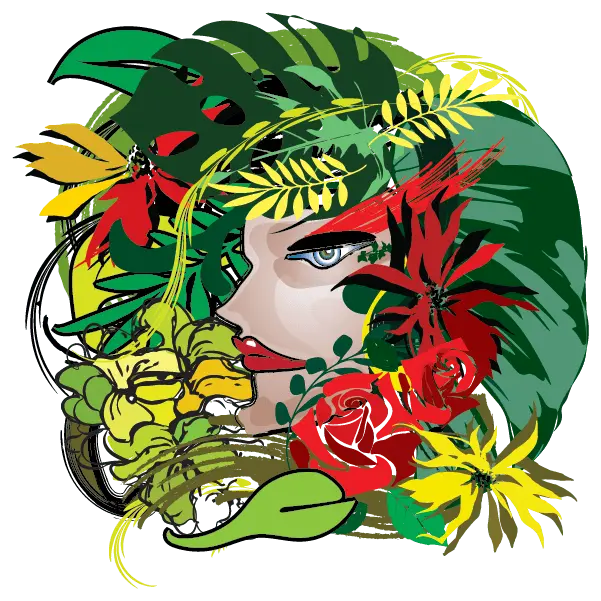
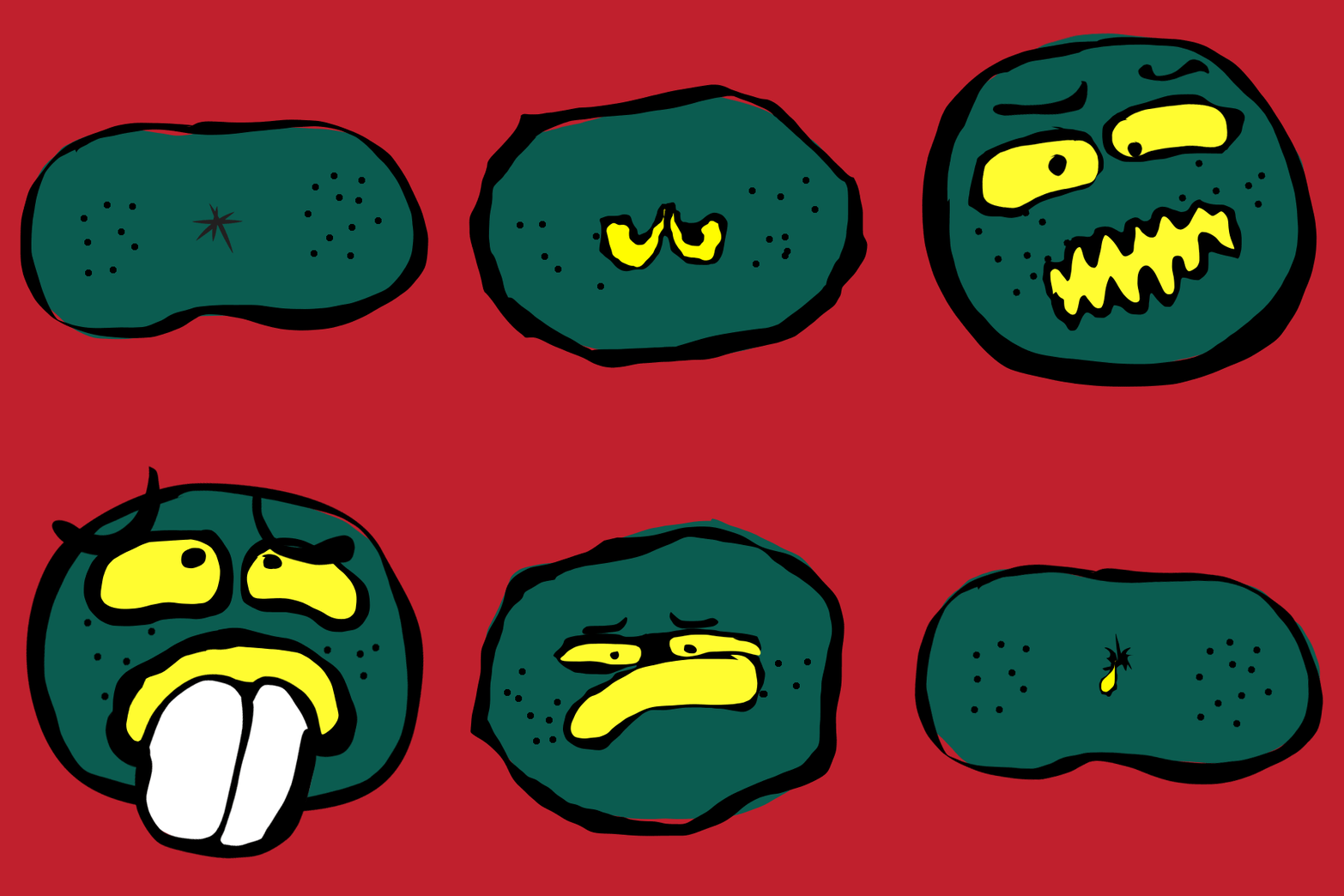



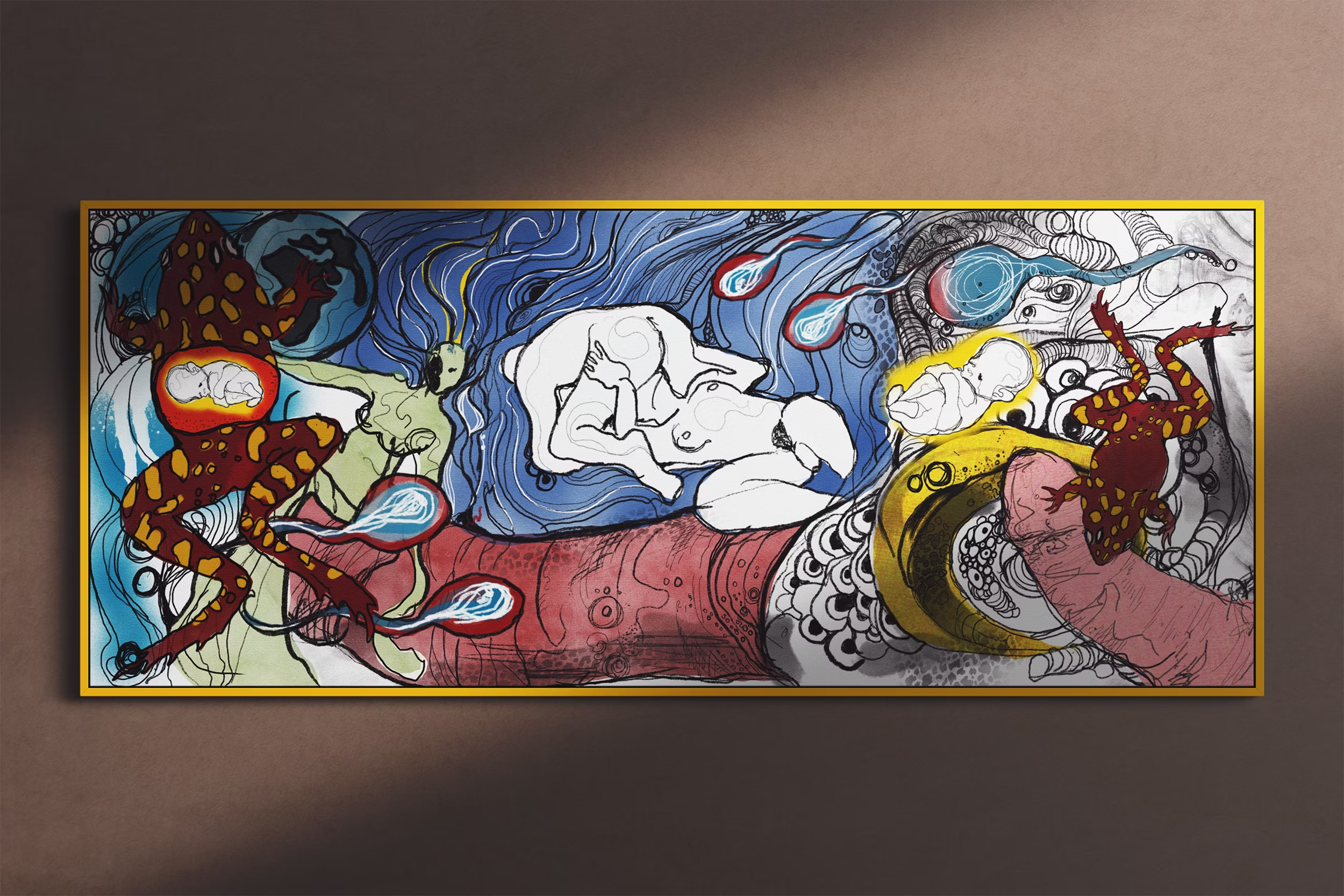
David Wojnarowicz (1954–1992) was an American artist, writer, and activist. He created powerful art about his life as a gay man and his fight against injustice during the AIDS crisis. Emerging from New York City's East Village art scene in the 1980s, his art included painting, photography, and writing, often focusing on love, loss, and anger at government neglect of the epidemic. His legacy continues to inspire conversations about identity, activism, and the power of art to drive change.
This digital hand drawing pays homage to David's legacy, incorporating recurring elements from his work such as frogs, sex, tadpoles, sperms, ripples, and embryos. These symbols reflect his powerful artistic style and capture elements of his abusive childhood, struggles in life, and his capacity for love.
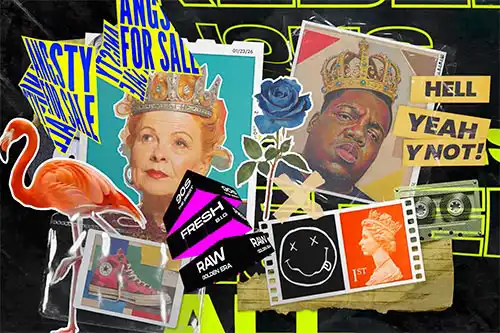
This collection explores the art of collage, both physical and digital, combining diverse materials, textures, and imagery to craft complex and visually dynamic compositions.

This is a gallery of fashion, merch, and accessories that celebrate playful design. From ethereal costumes to whimsical everyday items, these pieces are crafted to be mesmerizing and full of life. It is a collection where fashion meets imagination.
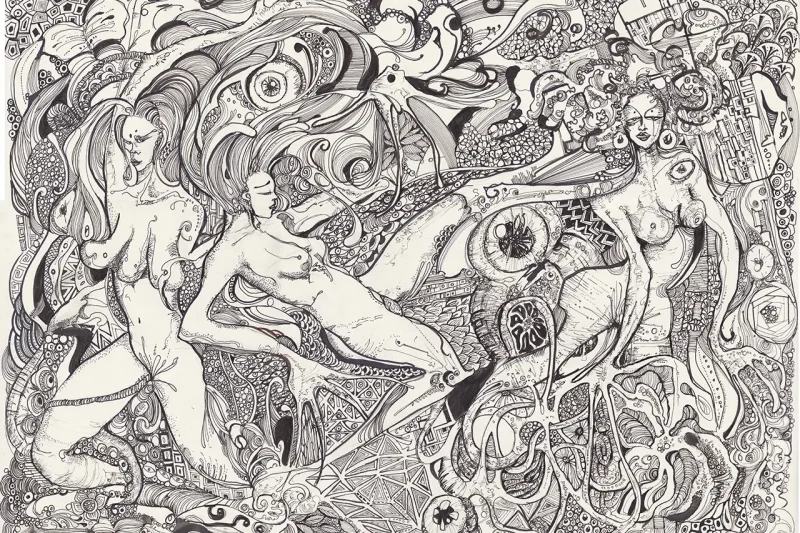
This collection represents years of developing drawing skills across a diverse range of styles and subjects.
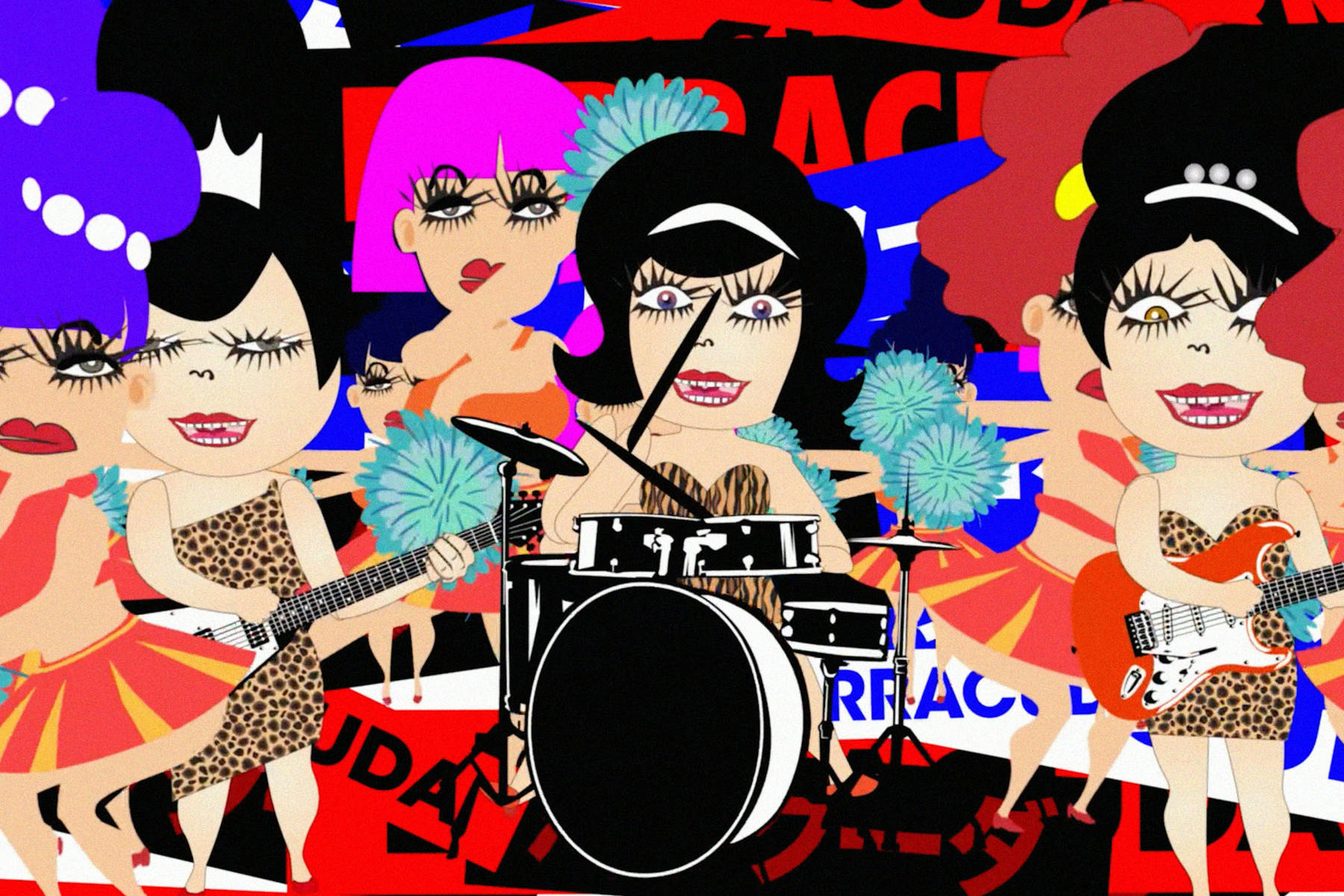
A collection of captivating and hypnotic animations through complex visuals. These are moving images and montage that speak in chaos, poetry, and phantasm.