• Sakarit Gunkhan (Chankaew) is a Brooklyn-based Graphic/Web Designer & Visual/Concept Artist

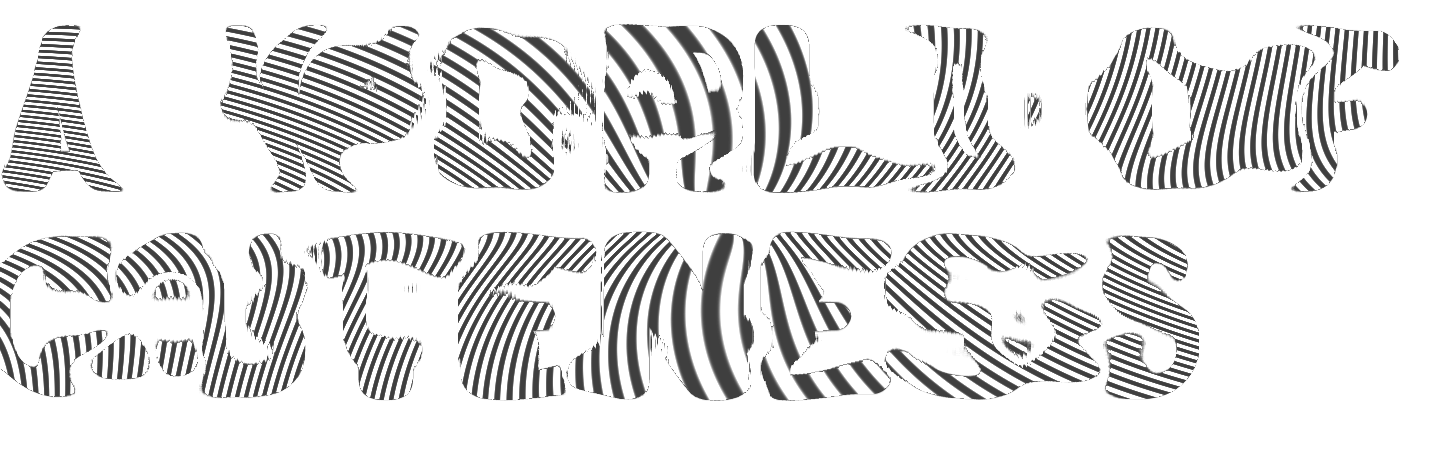
Kawaii: A World of Cuteness

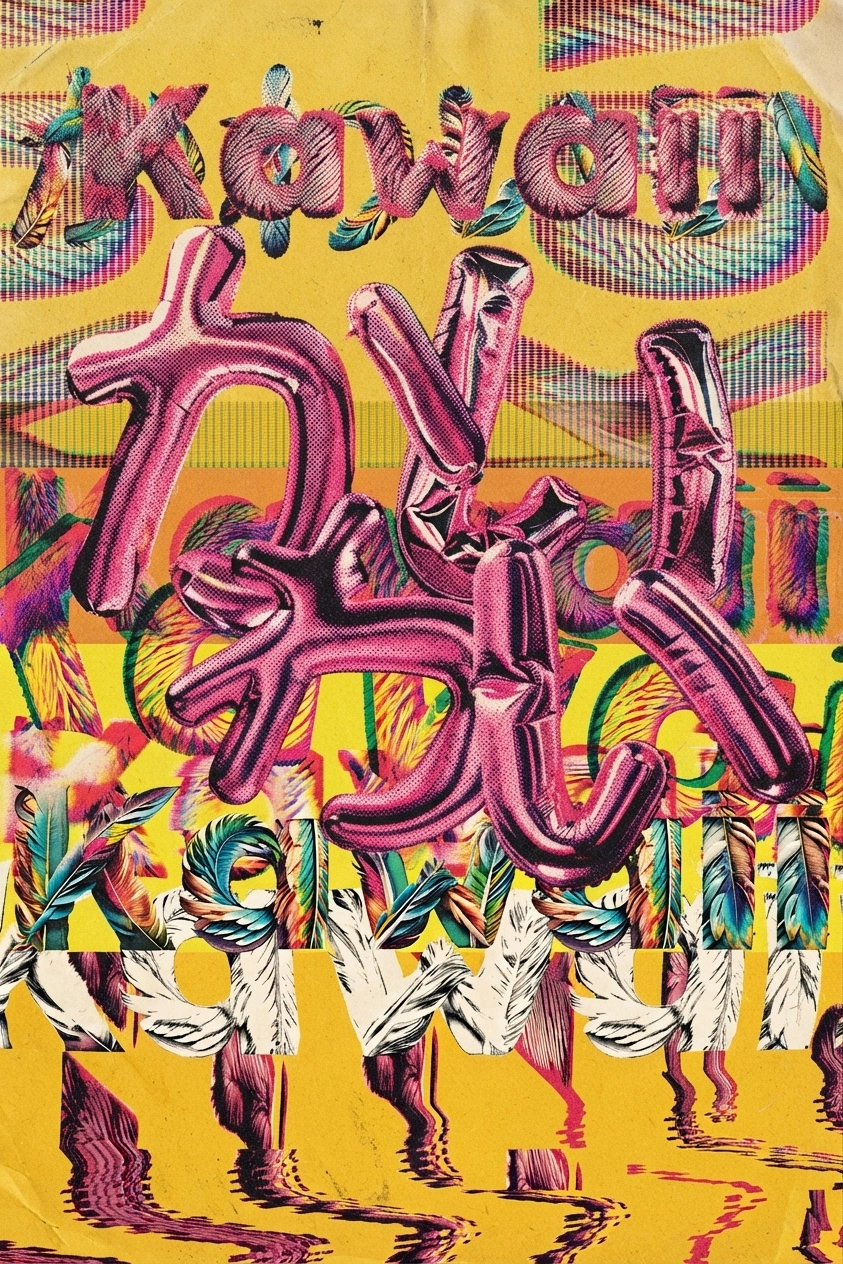
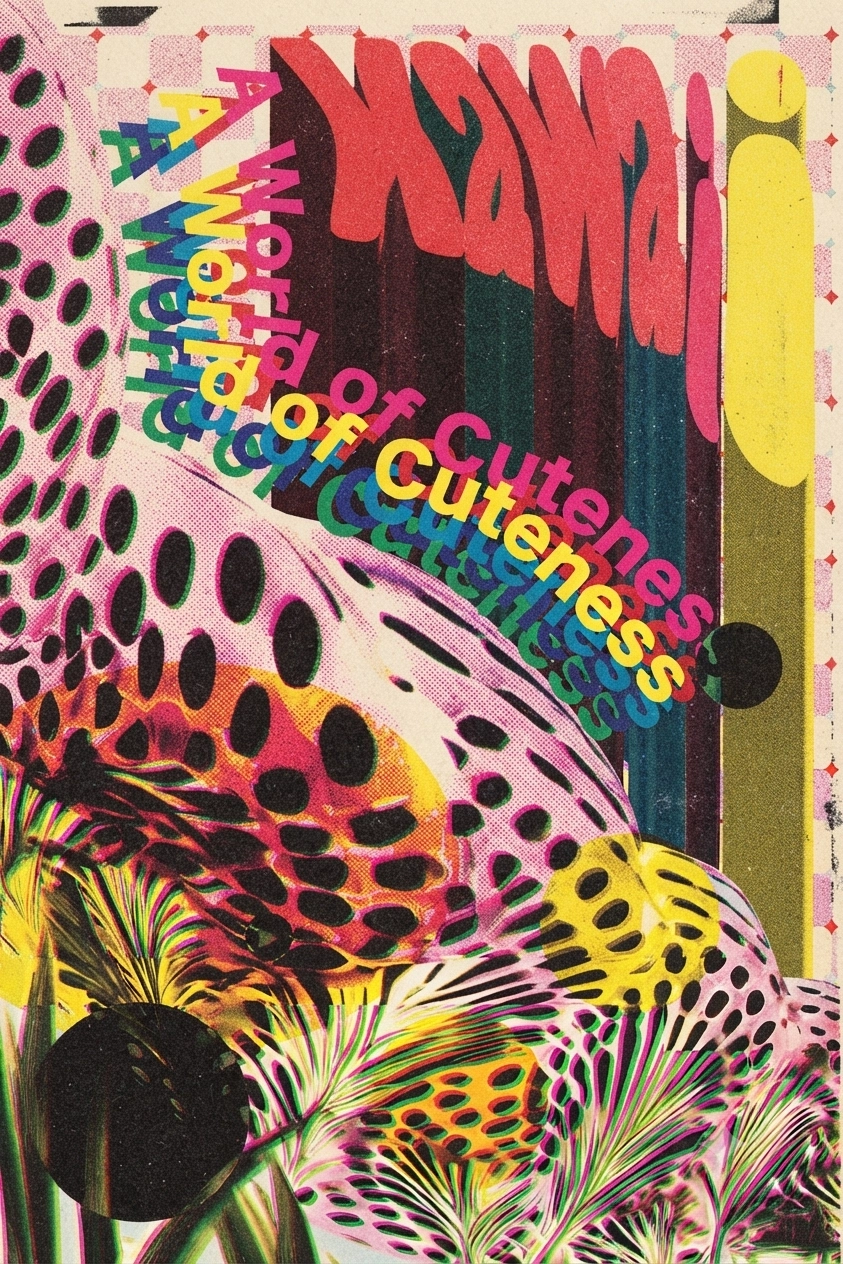
A vibrant, immersive exploration of Kawaii: A World of Cuteness, tracing Japanese cute culture from the Edo period to modern commercial design through bold typography, playful collage, digital UI/UX, and physical merchandise.

Task

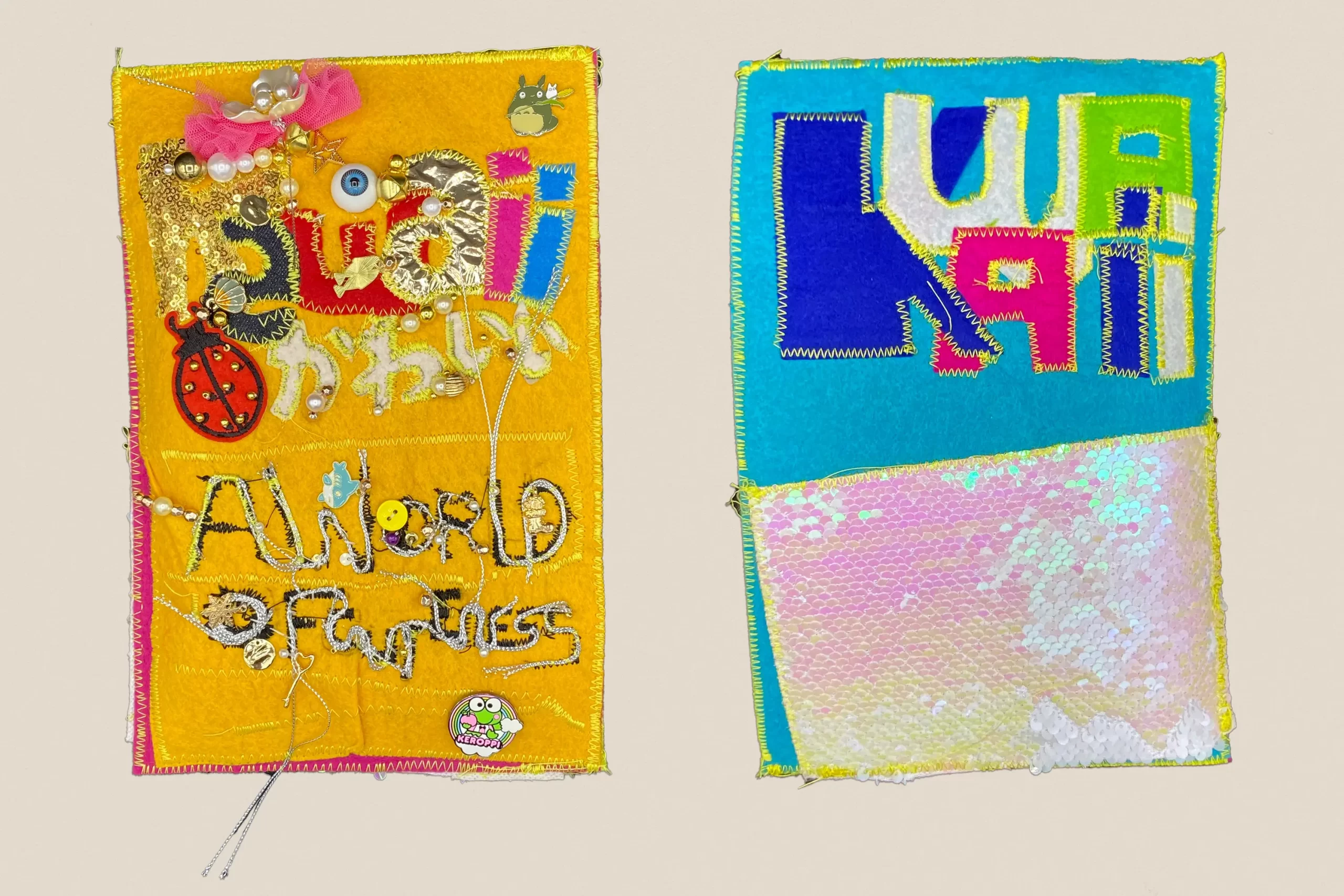
Design a cohesive multi-medium experience, including an editorial booklet, interactive web UI/UX, promotional posters, postcards, and a custom handmade storage pouch that communicates the historical evolution and joyful, whimsical ethos of kawaii culture for both publication and commercial application.
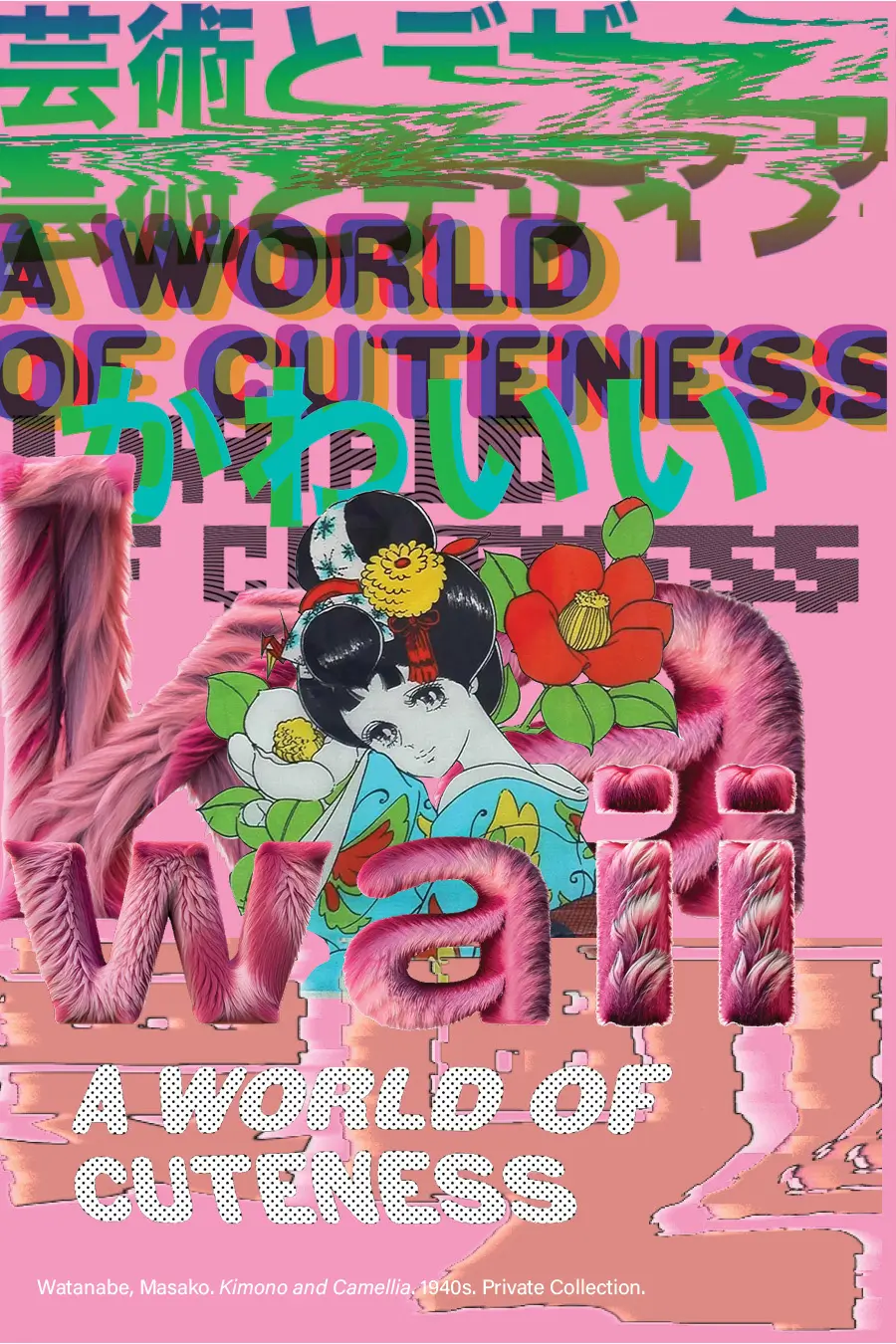
かわいい
可愛い かわいい Kawaii
可愛い かわいい Kawaii

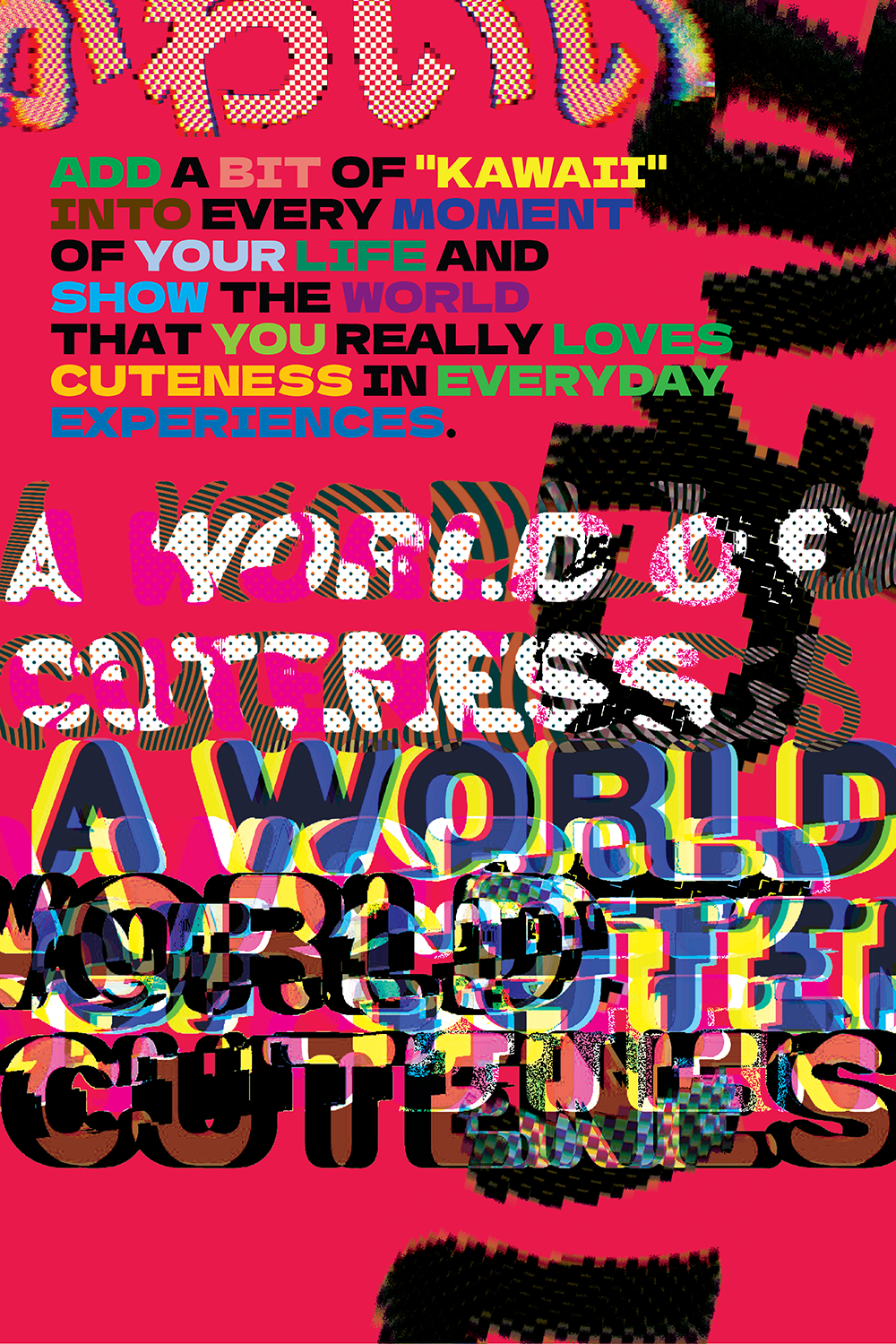
ADD A BIT OF “KAWAII” TO EVERY MOMENT OF YOUR LIFE AND SHOW THE WORLD HOW MUCH YOU LOVE CUTENESS IN EVERYDAY EXPERIENCES.

To capture the true essence of “kawaii,” this project uses bold, vibrant colors, playful typography, and whimsical collages to build a distinct visual narrative across both print and digital touchpoints. By thoughtfully curating visuals that trace the evolution of cuteness from the Edo period to modern pop culture, the design maintains a cohesive visual language seamlessly connecting the editorial booklet, web UI/UX, promotional postcards, and posters.

Extending beyond static media, these dynamic, high-energy graphics adapt fluidly into practical commercial applications, translating the whimsical charm of kawaii culture into patterns for apparel, accessories, and custom merchandise.

This page comes with a soundtrack!
The curated songs for this page aren’t just decoration. They’re pure ENERGY, amplifying the nuance, sublimity, or curiosity woven into the visuals, and to make the vibe more immersive, playful, and alive! It’s not random, it’s part of the curation. Music is personal, I know!, but here it’s essential to the story.
かわいい かわいい
Kawaii かわいい 可愛い
Kawaii かわいい 可愛い
CHALLENGE

The primary challenge was coordinating a complex multi-component package—fitting the booklet, eight postcards, and two large fold-out maps seamlessly into a custom storage pouch without creating awkward bulk.

Kawaii : A World of Cuteness Booklet

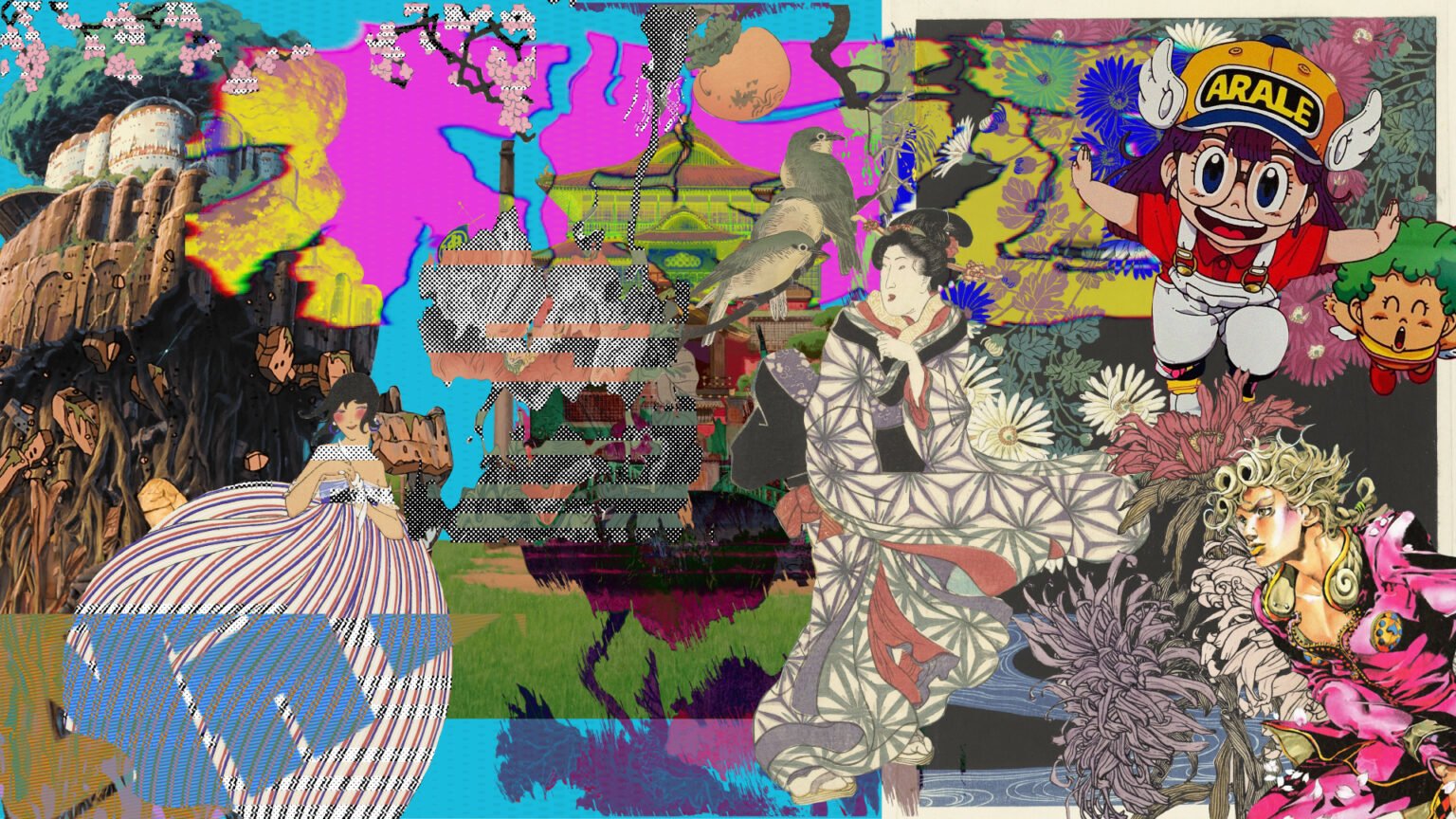
Beyond the tactile packaging, the project required condensing over 500 years of Japanese art history into a single coherent visual narrative. Achieving this meant balancing high-density collage and unconventional layouts so the pages felt energetic and playful without losing readability.

Finally, the visual system had to be versatile enough to scale fluidly from small-scale print assets to large fold-out posters.

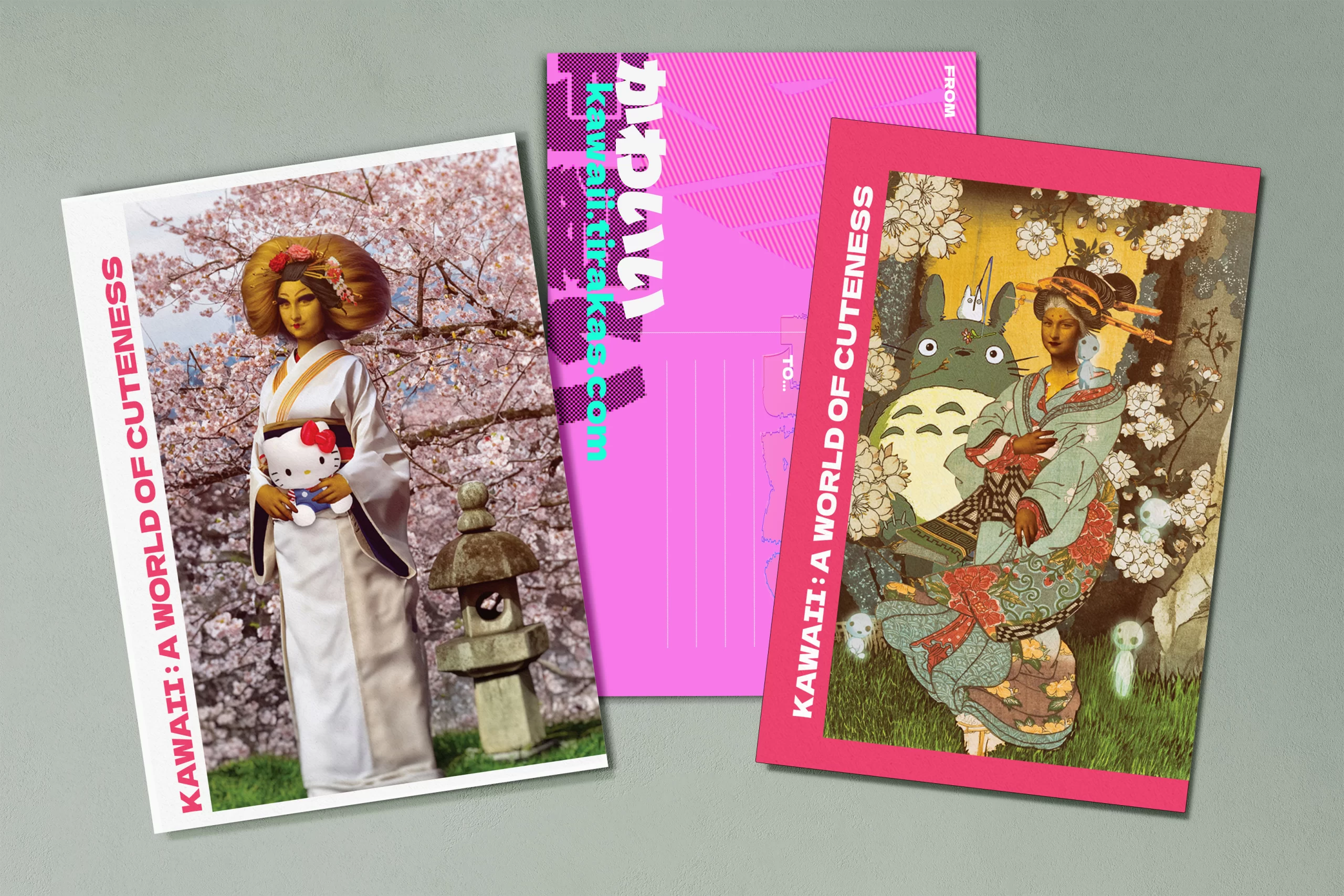
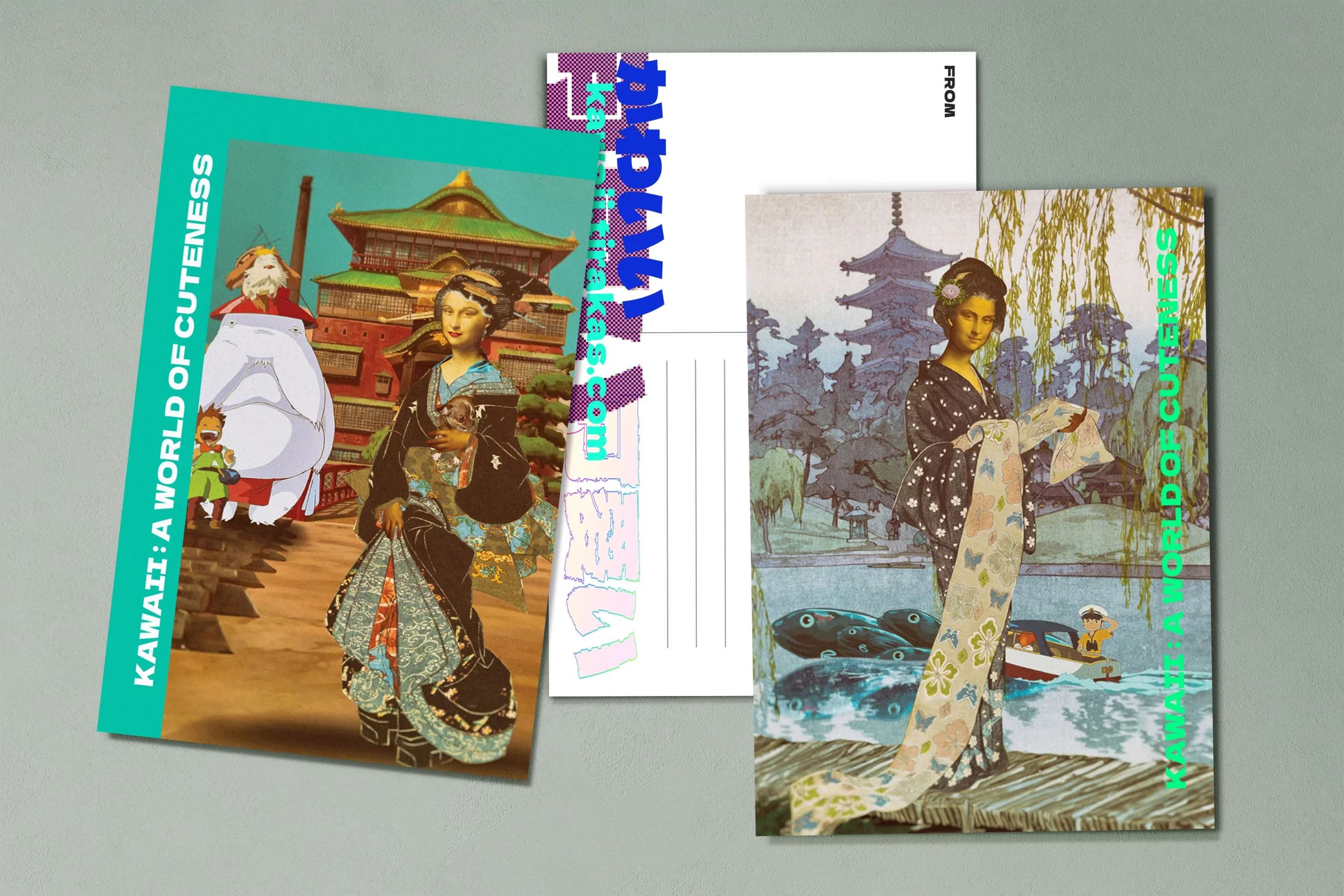
Mona Lisa in a white kinomo holds Hello Kitty Plush and Mona Lisa in a floral kimono and Totoro from Studio Ghibli's "My Neighbor Totoro.
Mona Lisa in Kimono | Kawaii Postcards Series
CHALLENGE

Kawaii: A World of Cuteness— The Typographic Anthology is a pure typographic exploration tracing the historical evolution of Japanese cute culture from 16th-century Edo art to modern pop media, without relying on a single image. Stripping away conventional photography and illustration, the booklet uses custom letterforms, expressive weight shifts, spatial rhythm, and historical typographic nuances to evoke the spirit of "kawaii."

A Typographic Booklet.

CHALLENGE

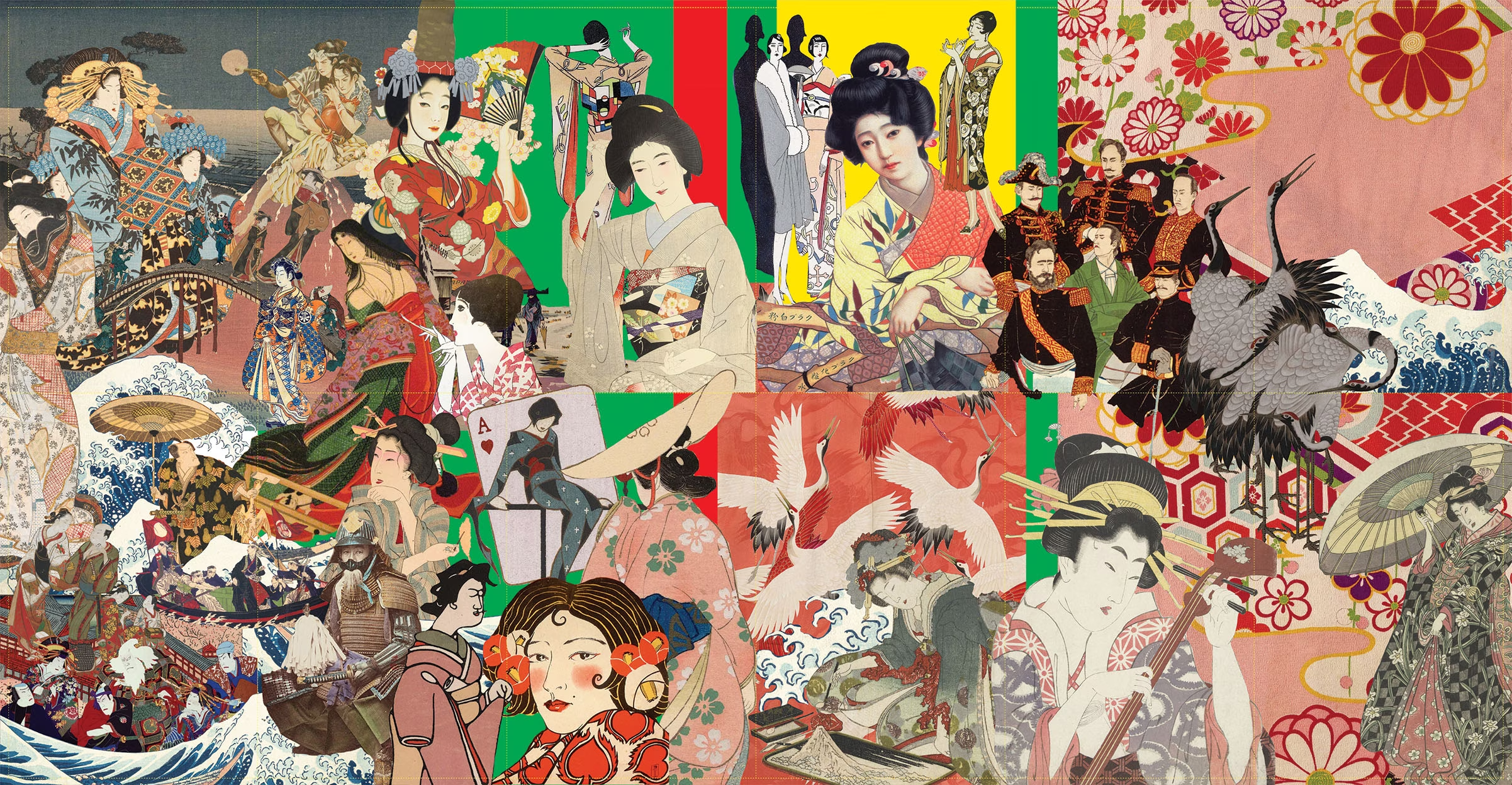
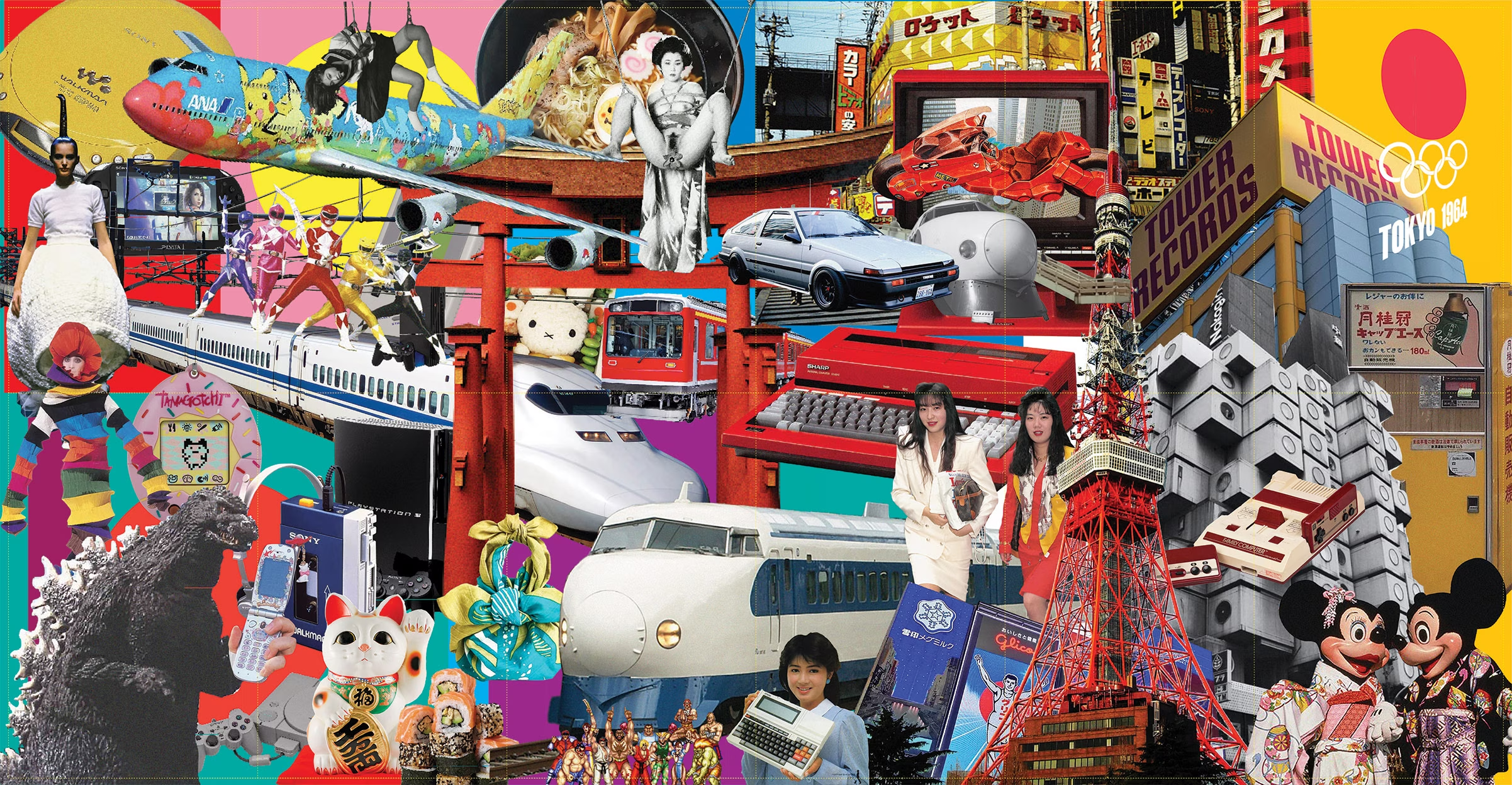
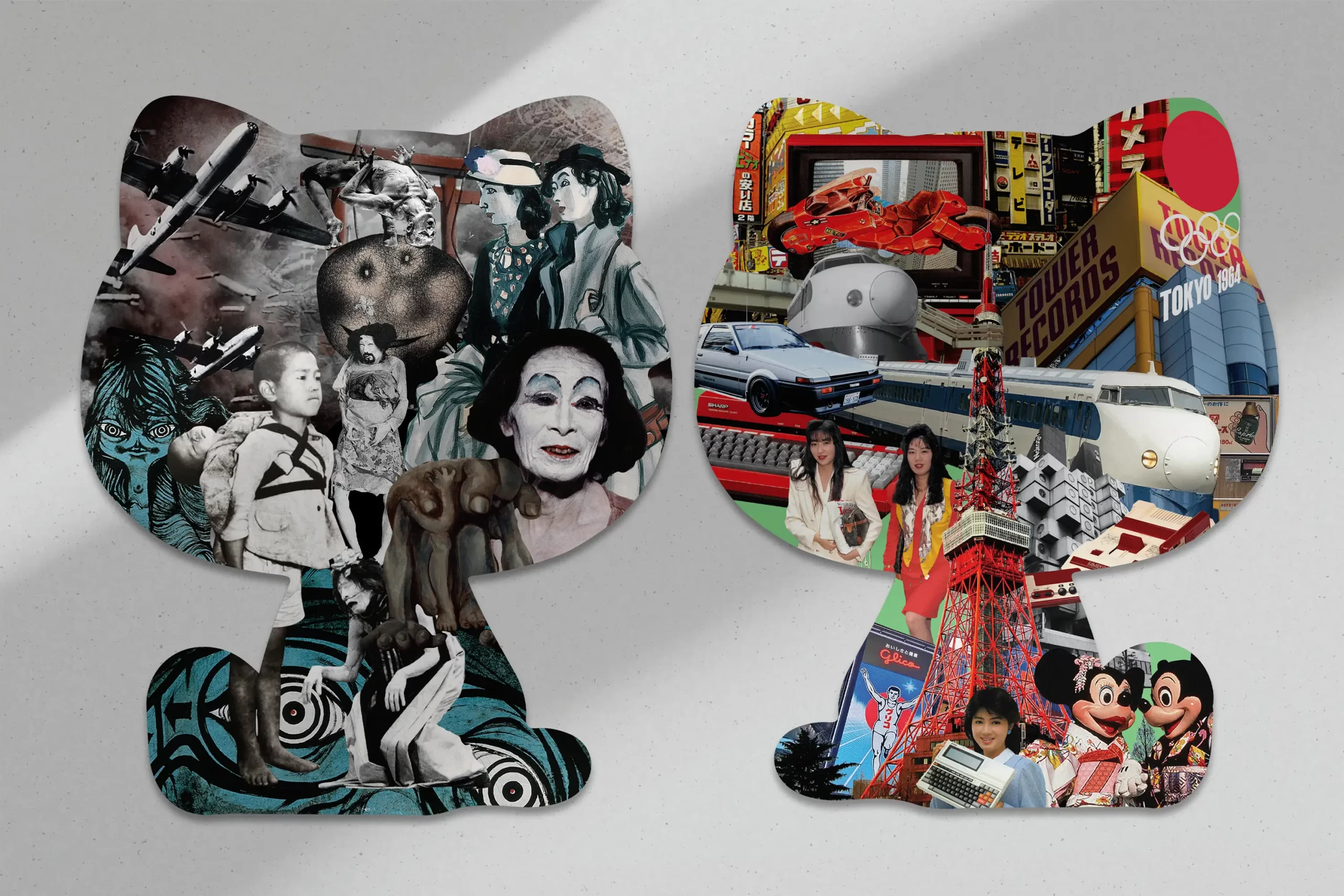
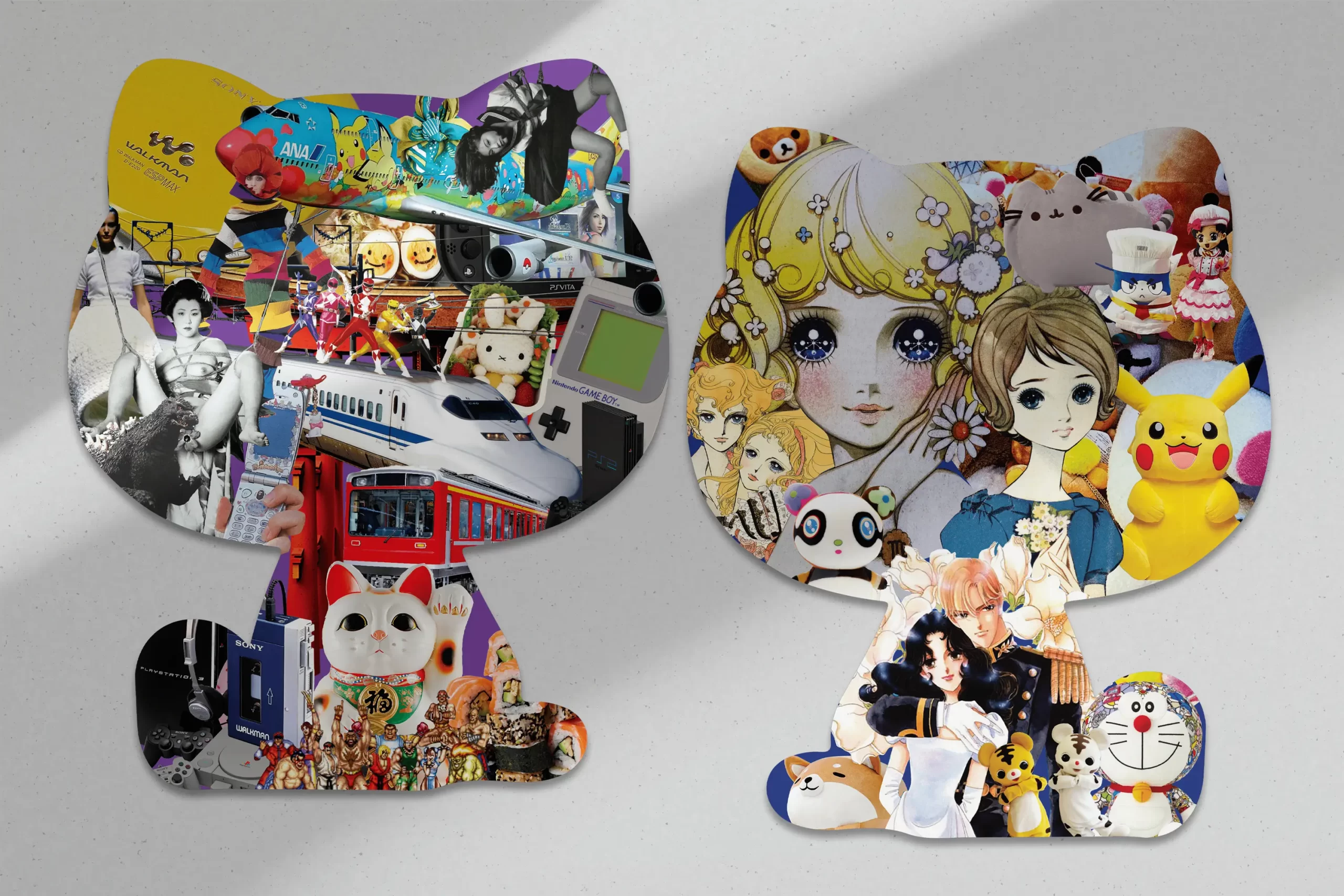
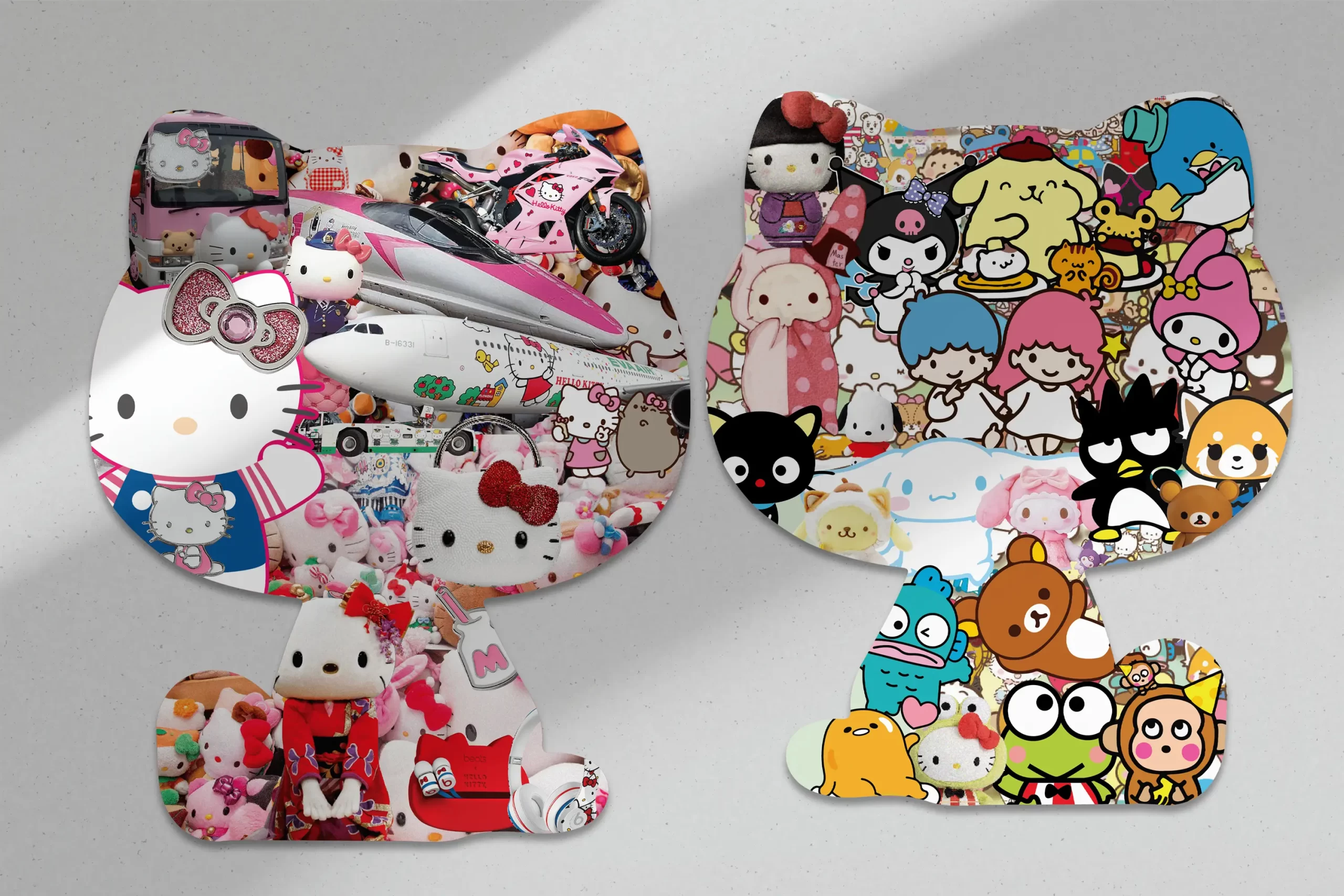
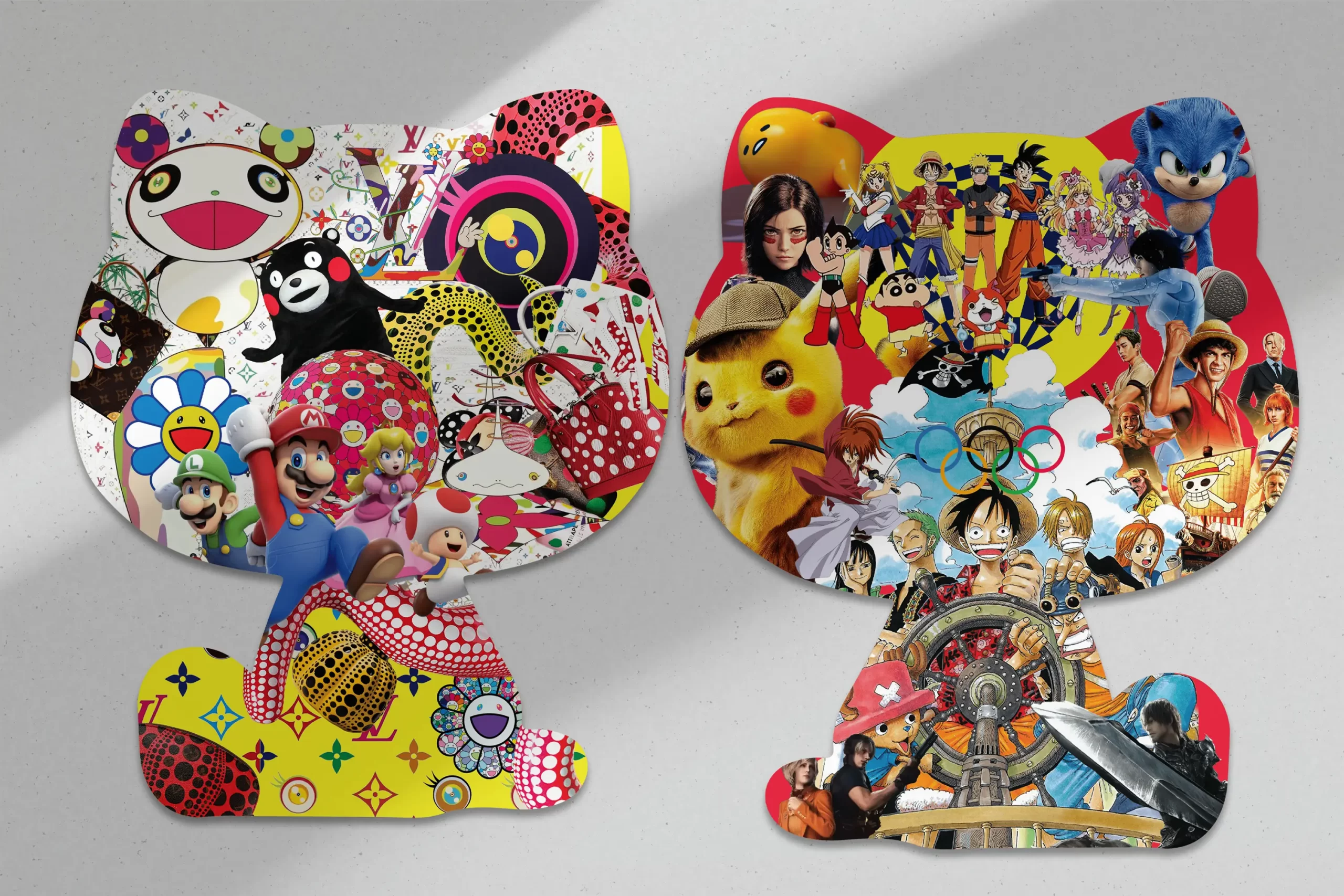
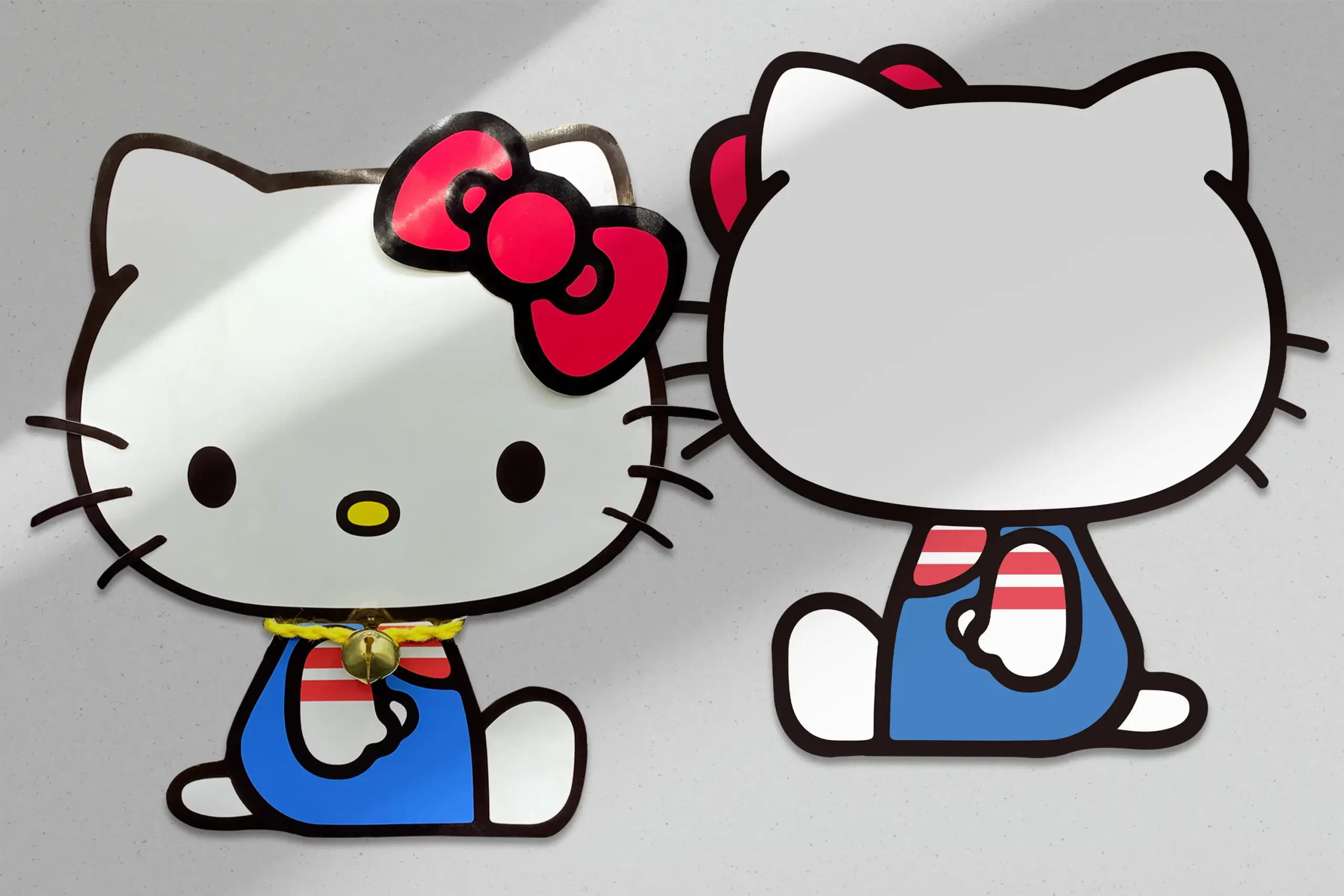
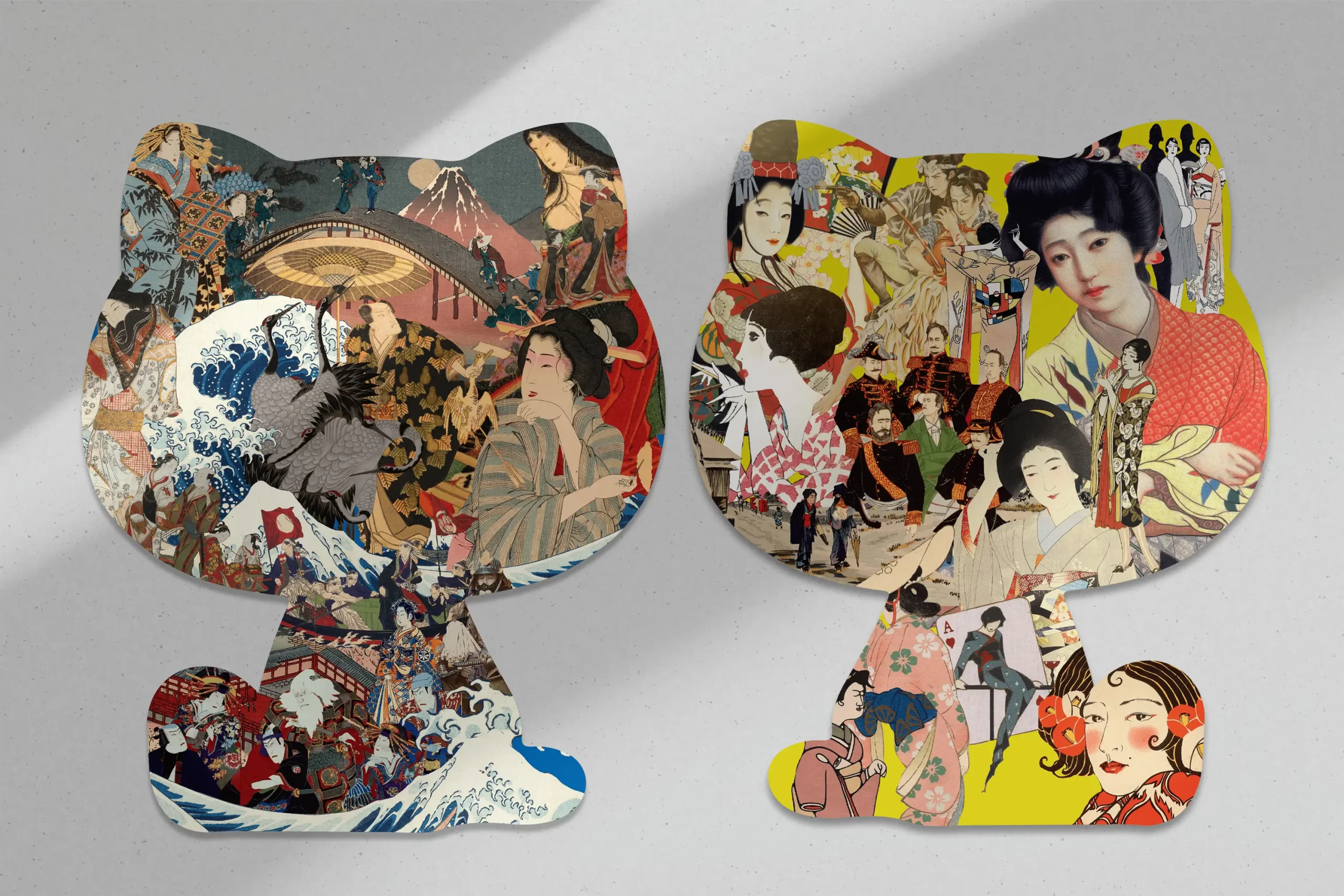
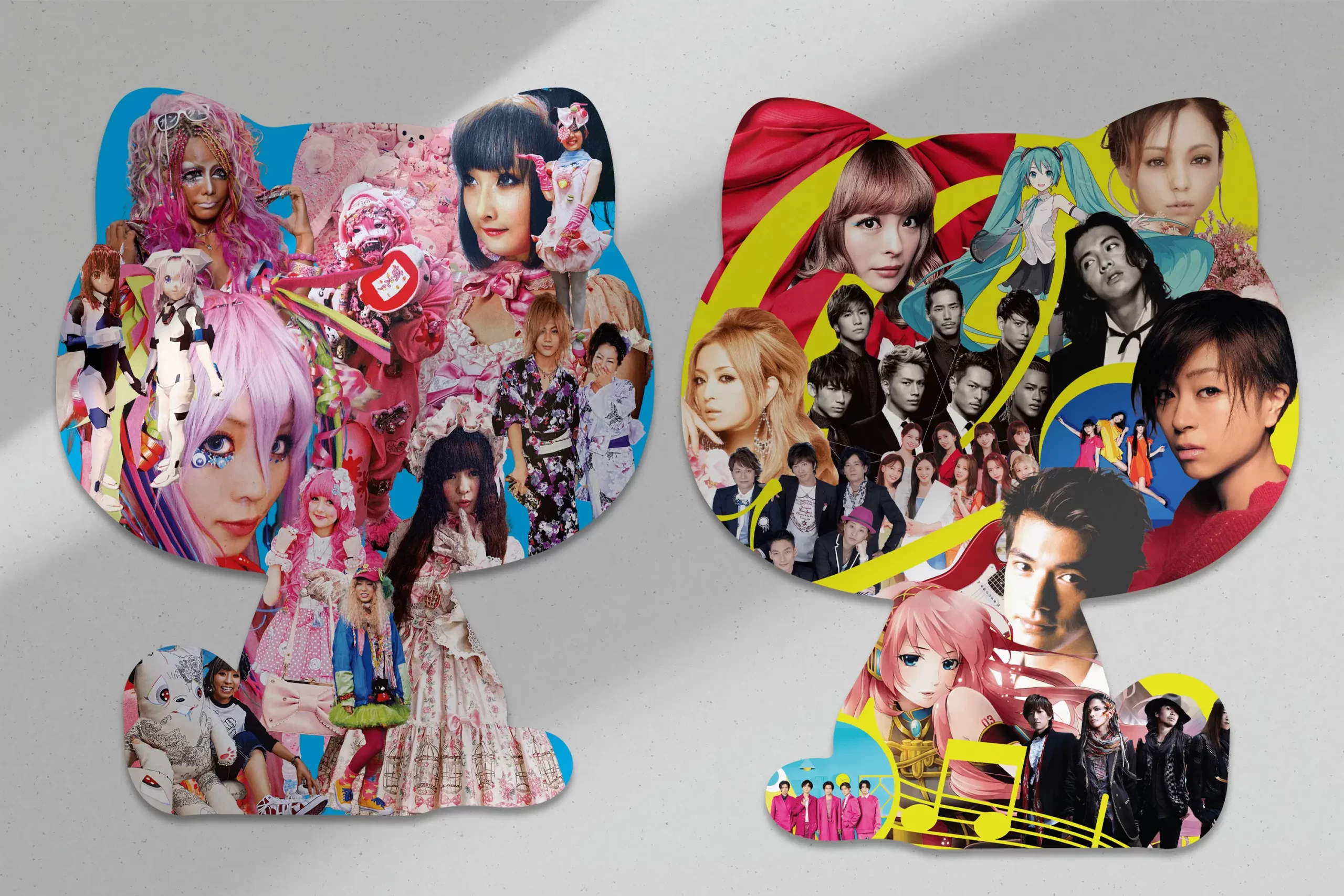
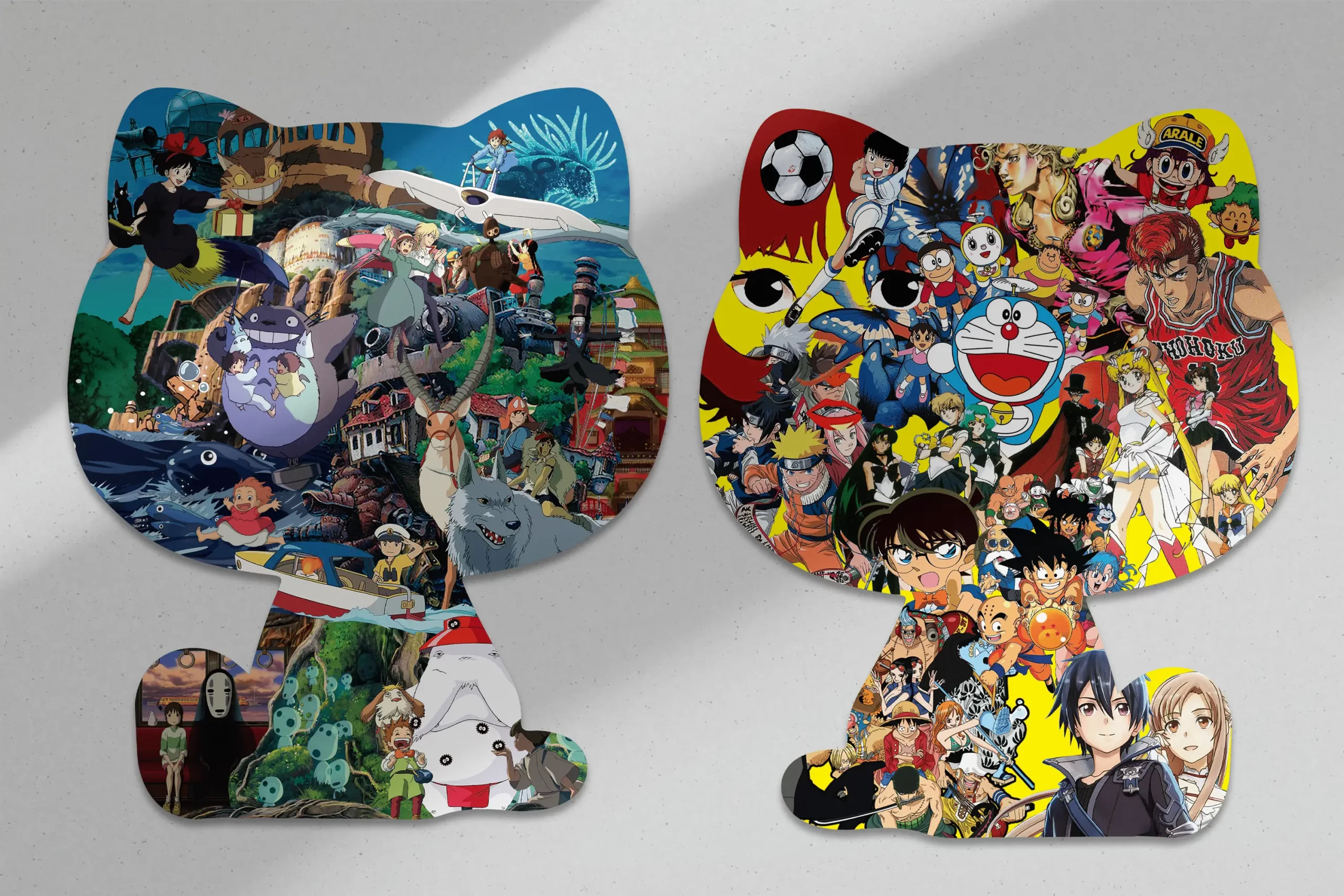
A 16-page detachable booklet die-cut into the iconic silhouette of Hello Kitty, exploring Japanese cute culture entirely through visual narrative. By deliberately eliminating all text, titles, and explanations, the publication relies solely on dense collages of found imagery, archival photography, fine art reproductions, and expressive illustrations to trace the evolution of cuteness from 16th-century Edo art movements to modern pop media.

Kawaii: A World of Cuteness — The Visual Essay

COVERS 1603-1920s 1940s-1990s 1990s-2020s 1960s-2010s 1980s-2010s 1990s-2010s 1970s-2020s {{current_slide_index}}/{{total_slide_count}}

Retro-Kawaii Motion

Playful & Unapologetic

A high-energy motion tribute to The 5.6.7.8’s, spotlighting their wildly energetic track A high-energy motion tribute to The 5.6.7.8’s, spotlighting their wildly energetic track The Barracuda. Driven by the band’s frantic blend of 1960s garage rock, surf guitar riffs, and rockabilly charm, the animation translates their signature sound into a dynamic paper-doll visual landscape.

By utilizing articulated paper-doll aesthetics, tactile cut-out textures, and exaggerated stop-motion style movements, the piece pays homage to the trio’s eccentric stage presence and raw, infectious charm. The result is a vibrant, retro spectacle that channels the playful, fierce, and unapologetic energy of Tokyo’s ultimate rock 'n' roll heroines.

NOTE:

If you’re listening to the playlist, pause for a moment and watch this music video. Then press play.

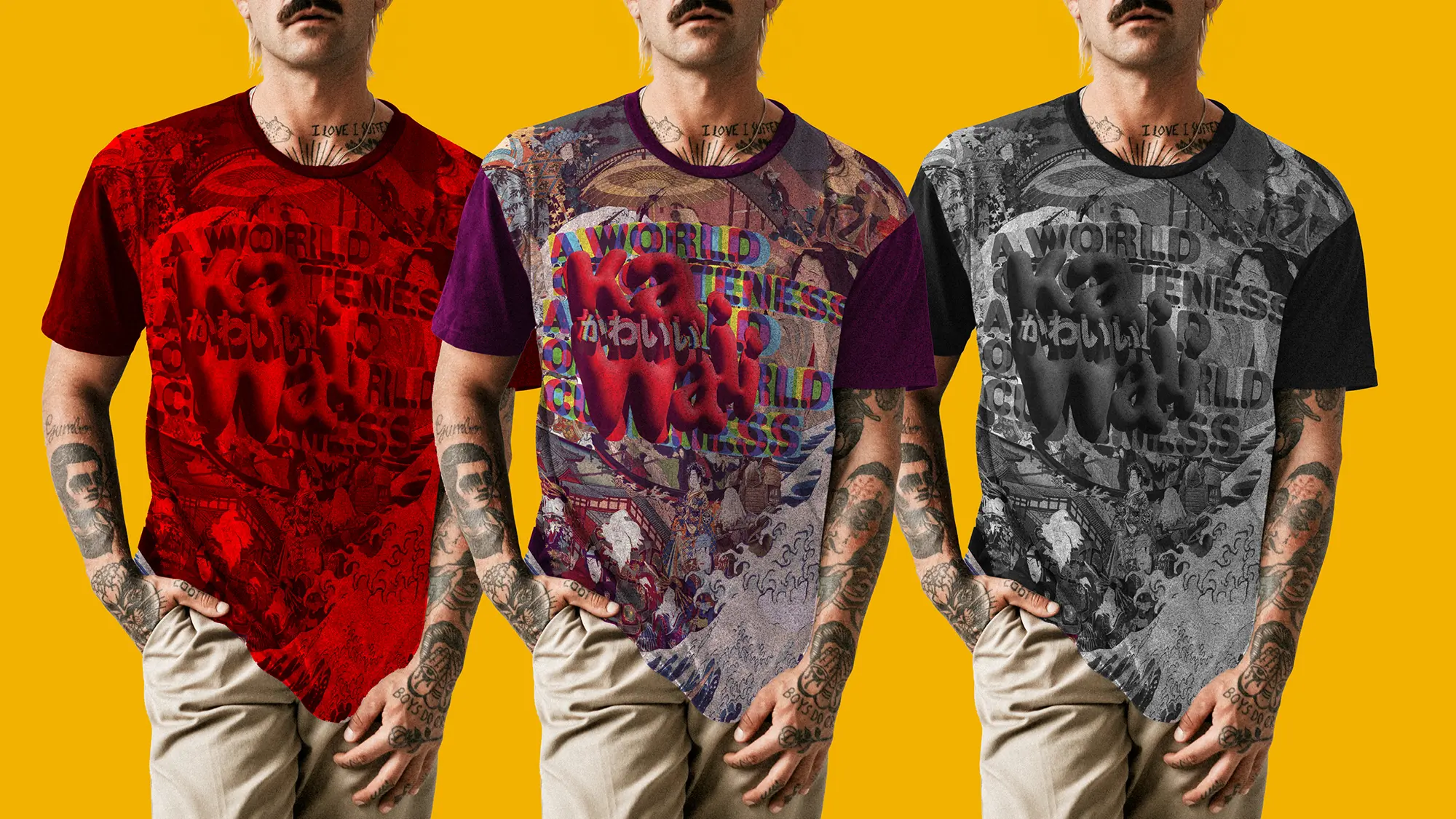
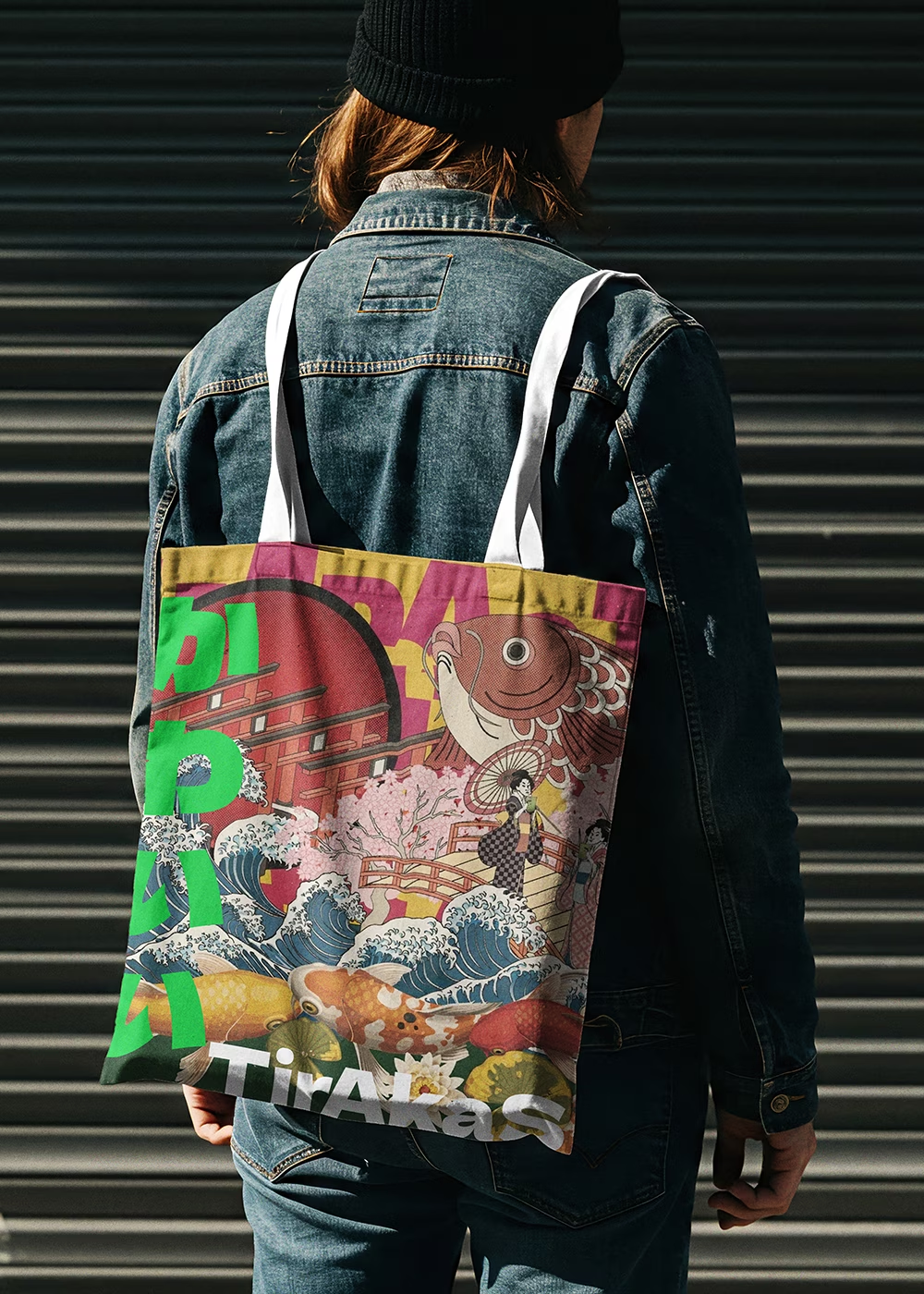
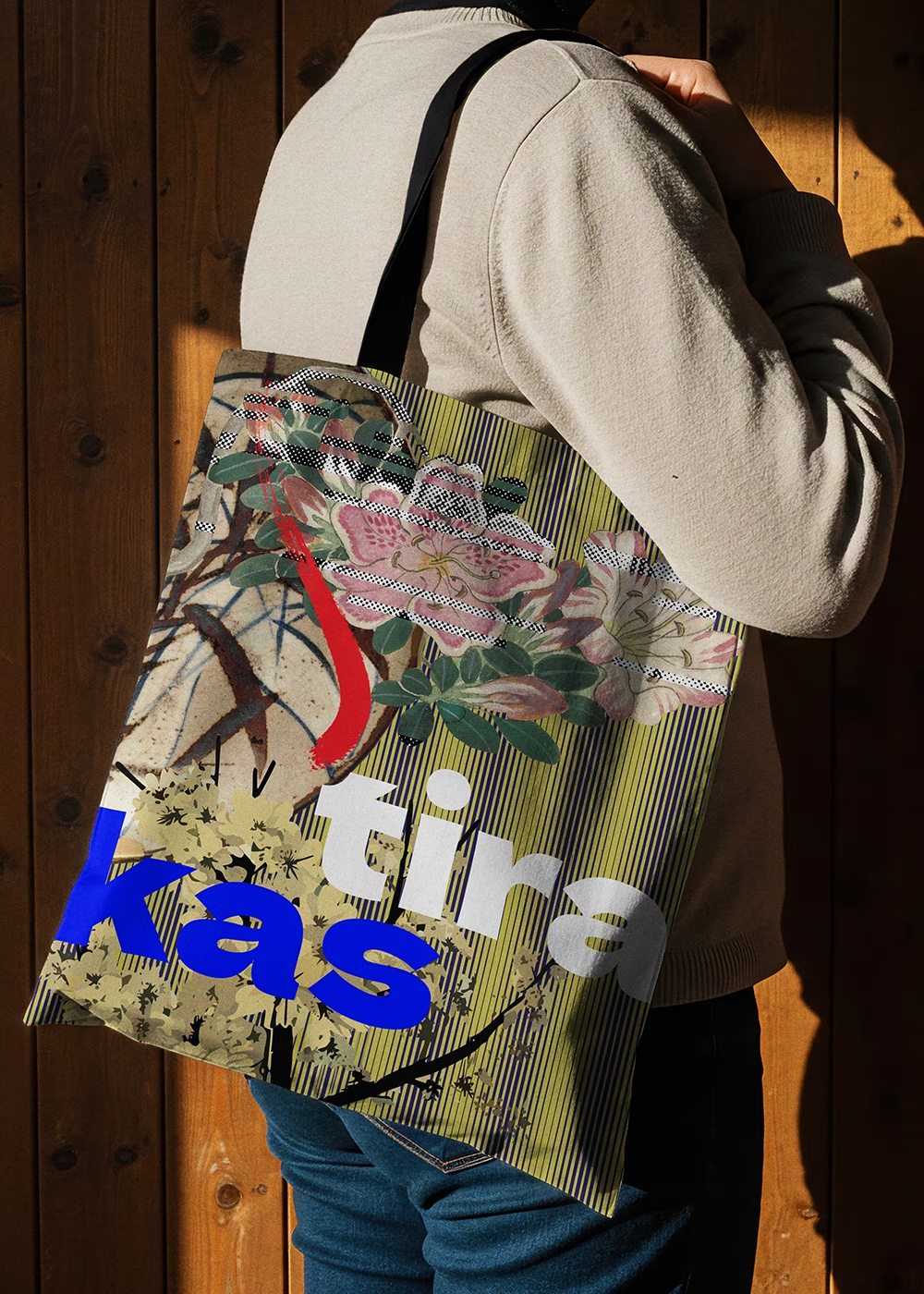
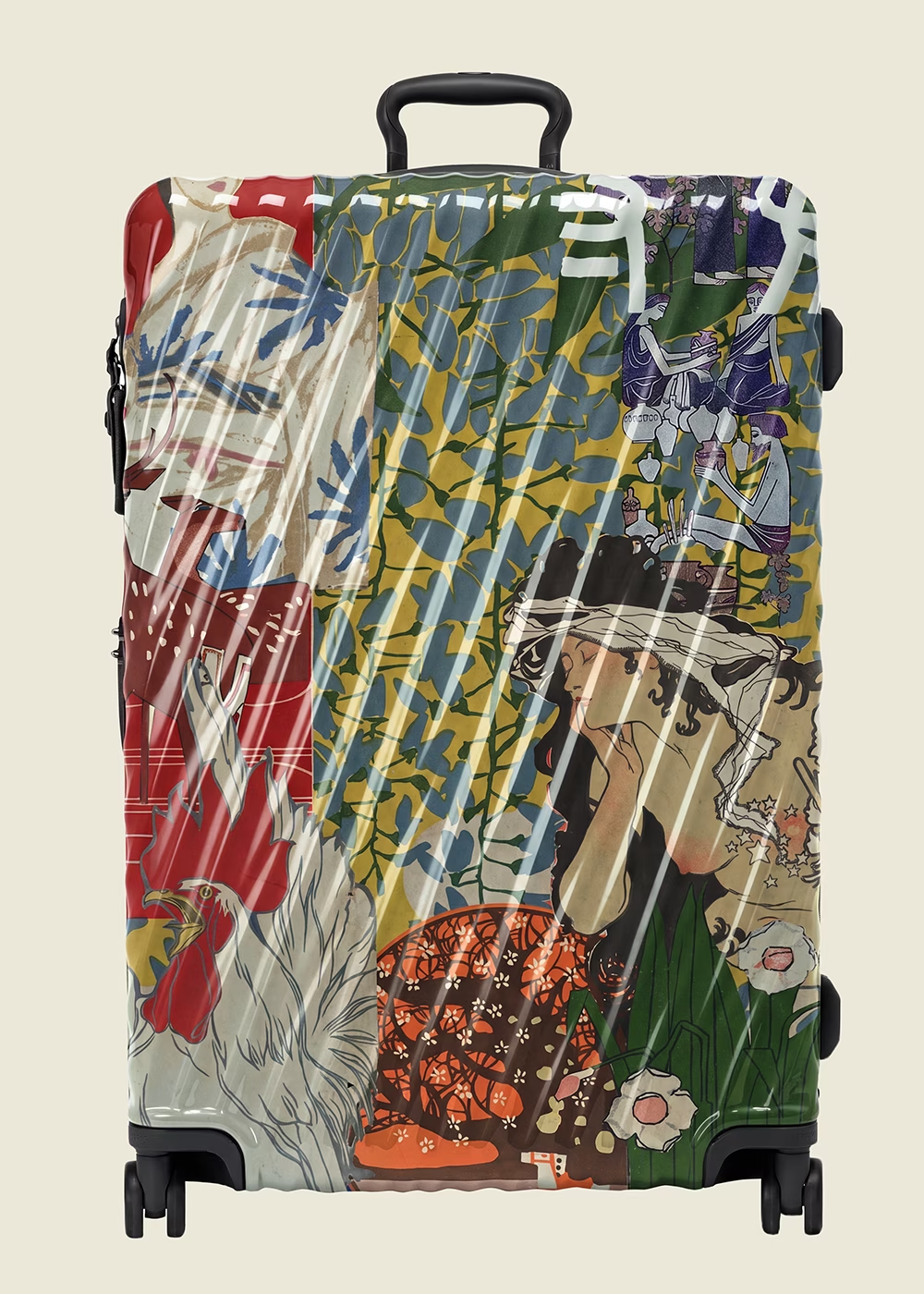
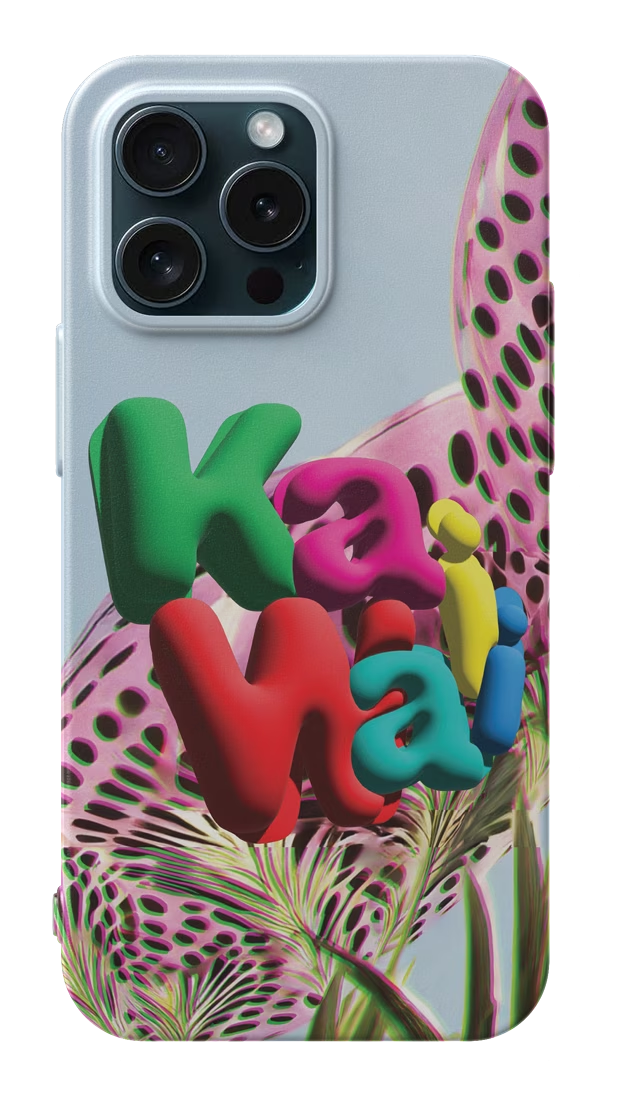
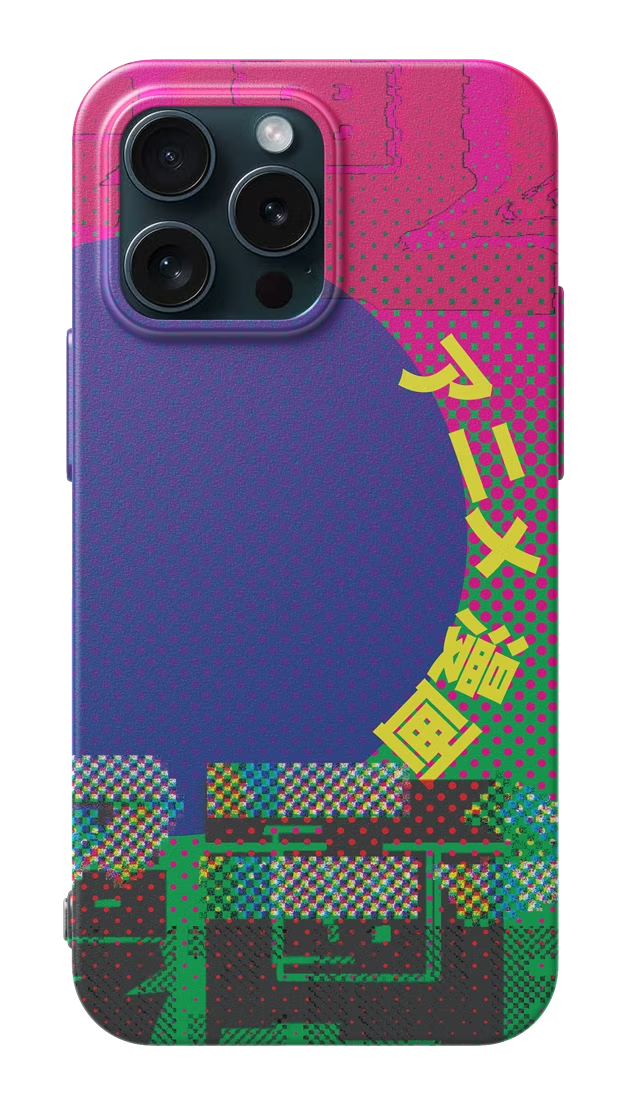
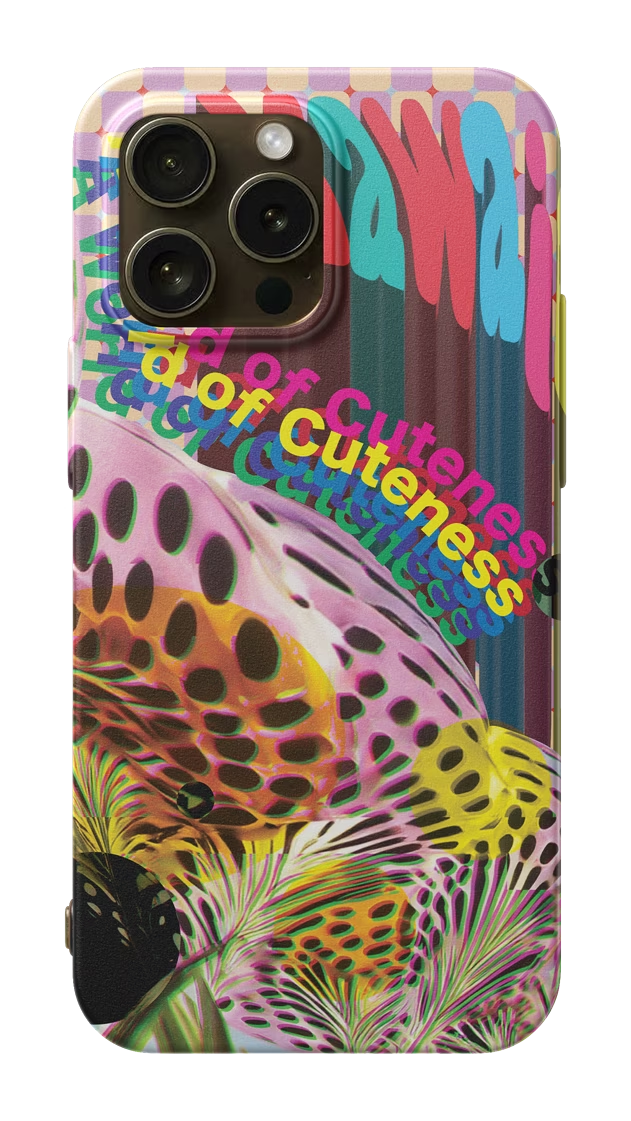
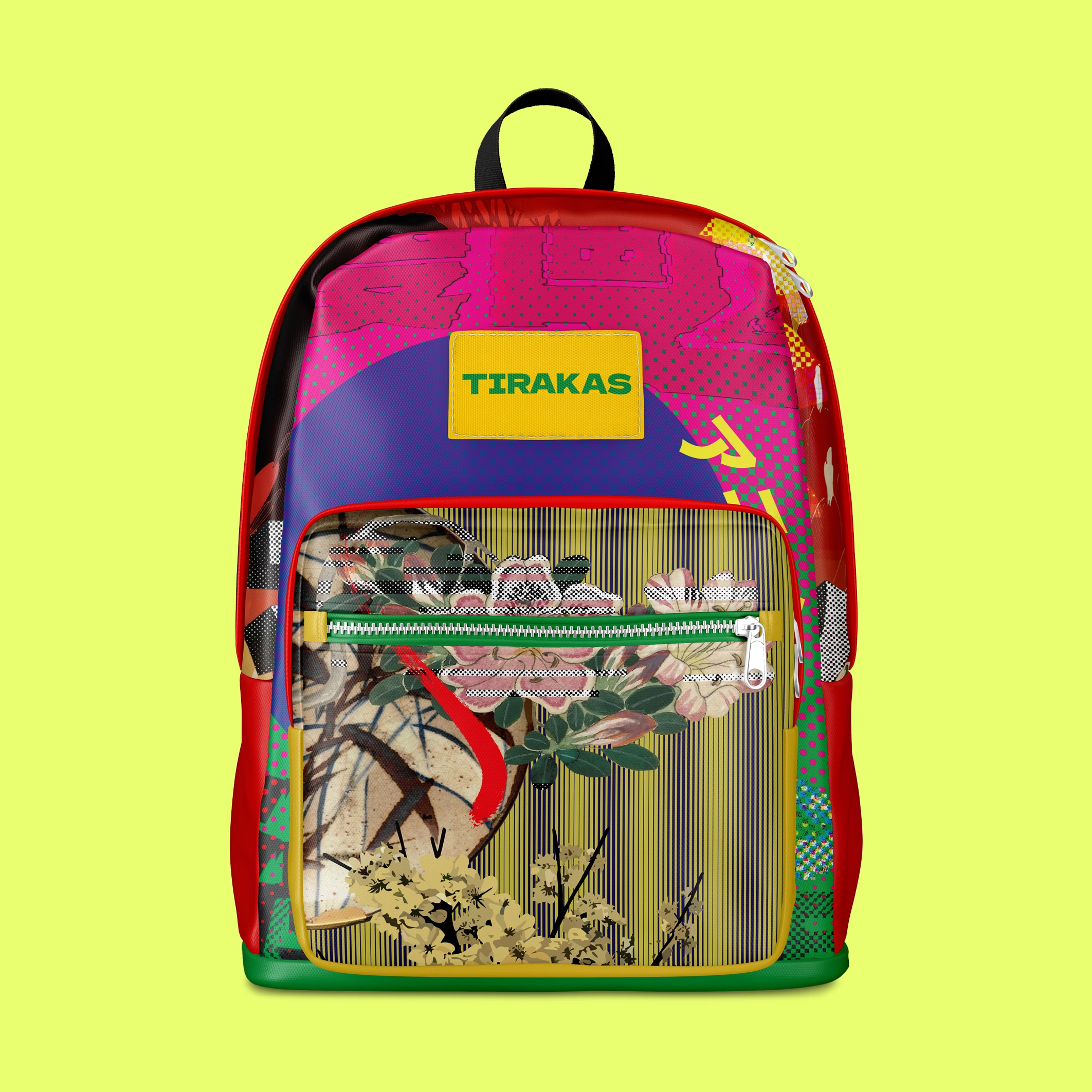
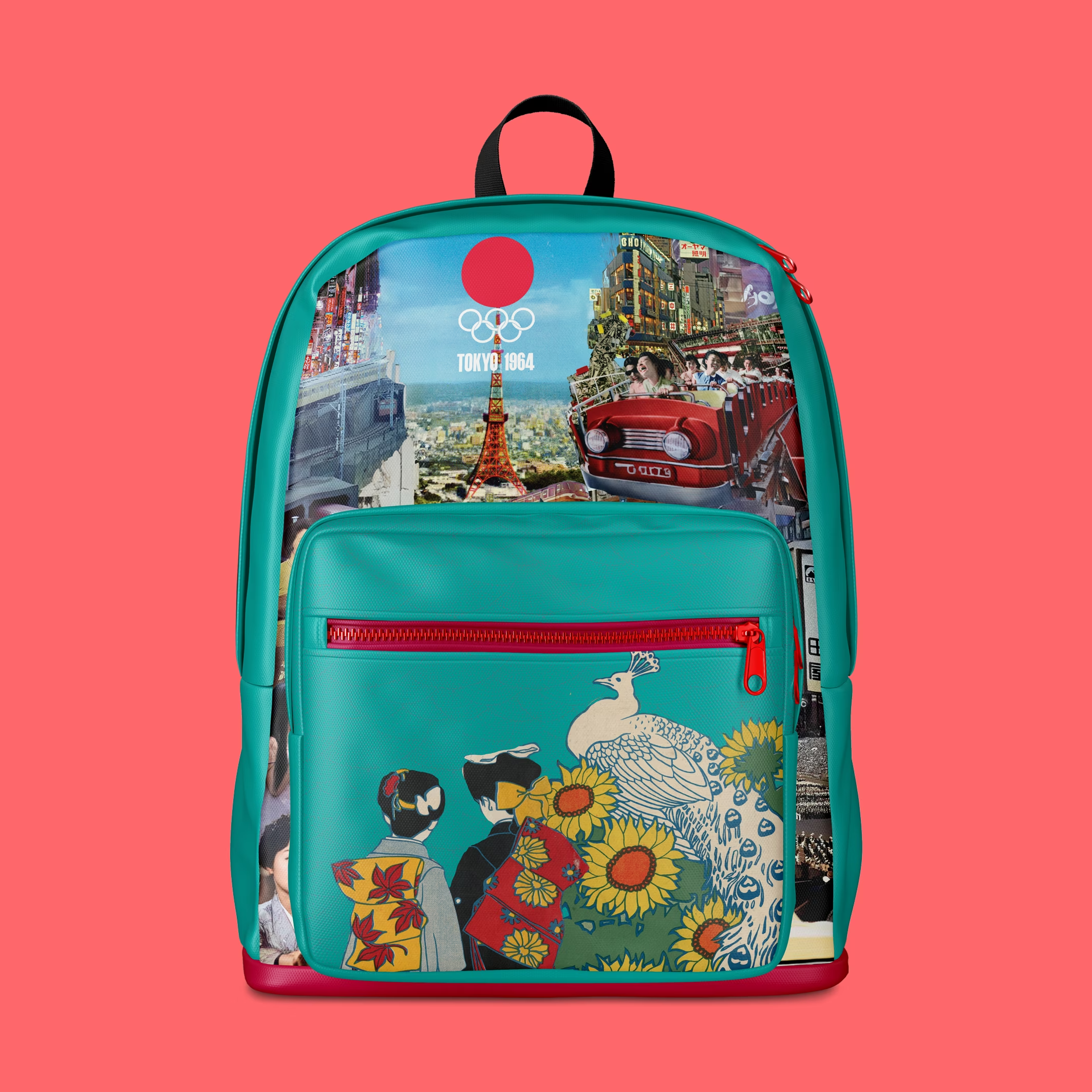
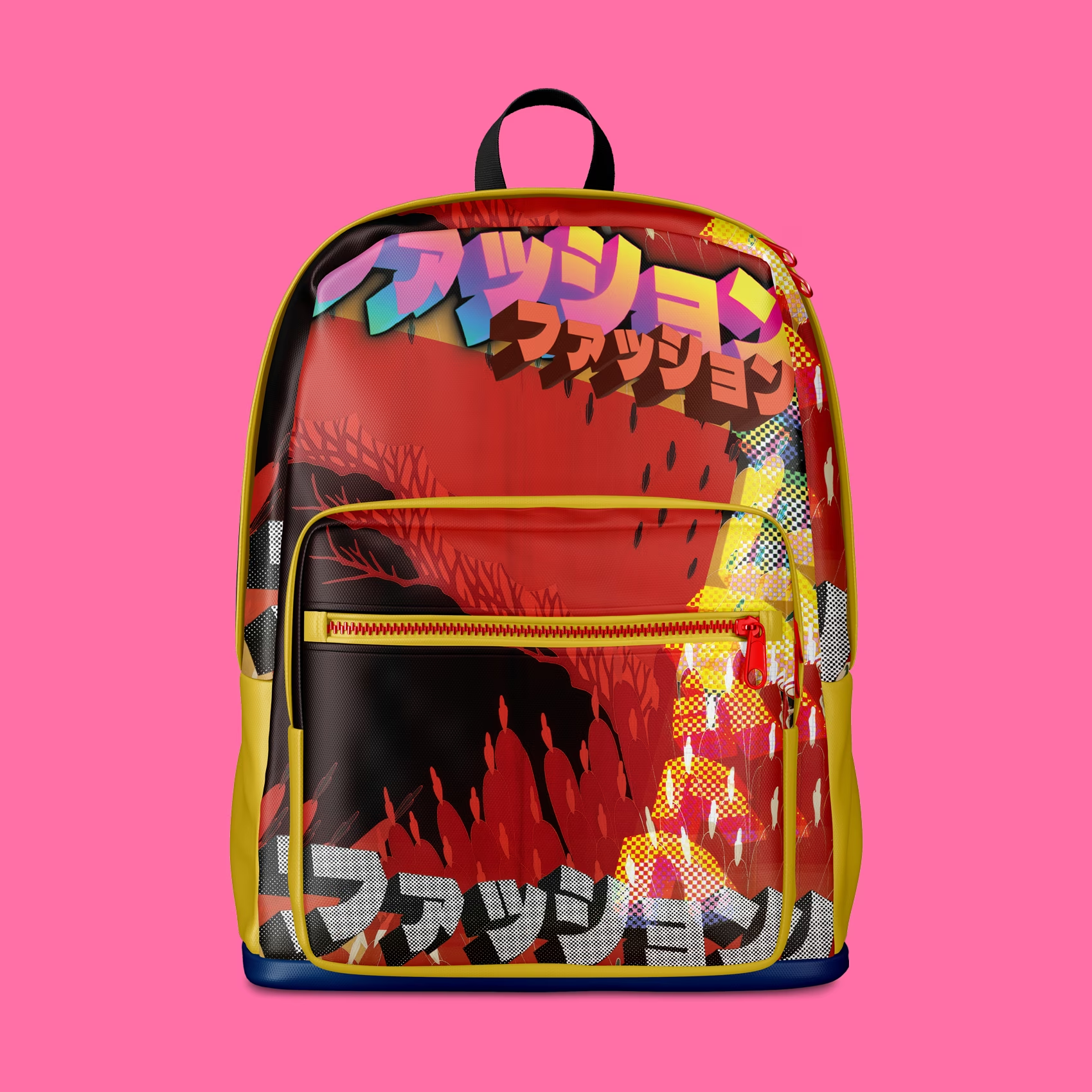
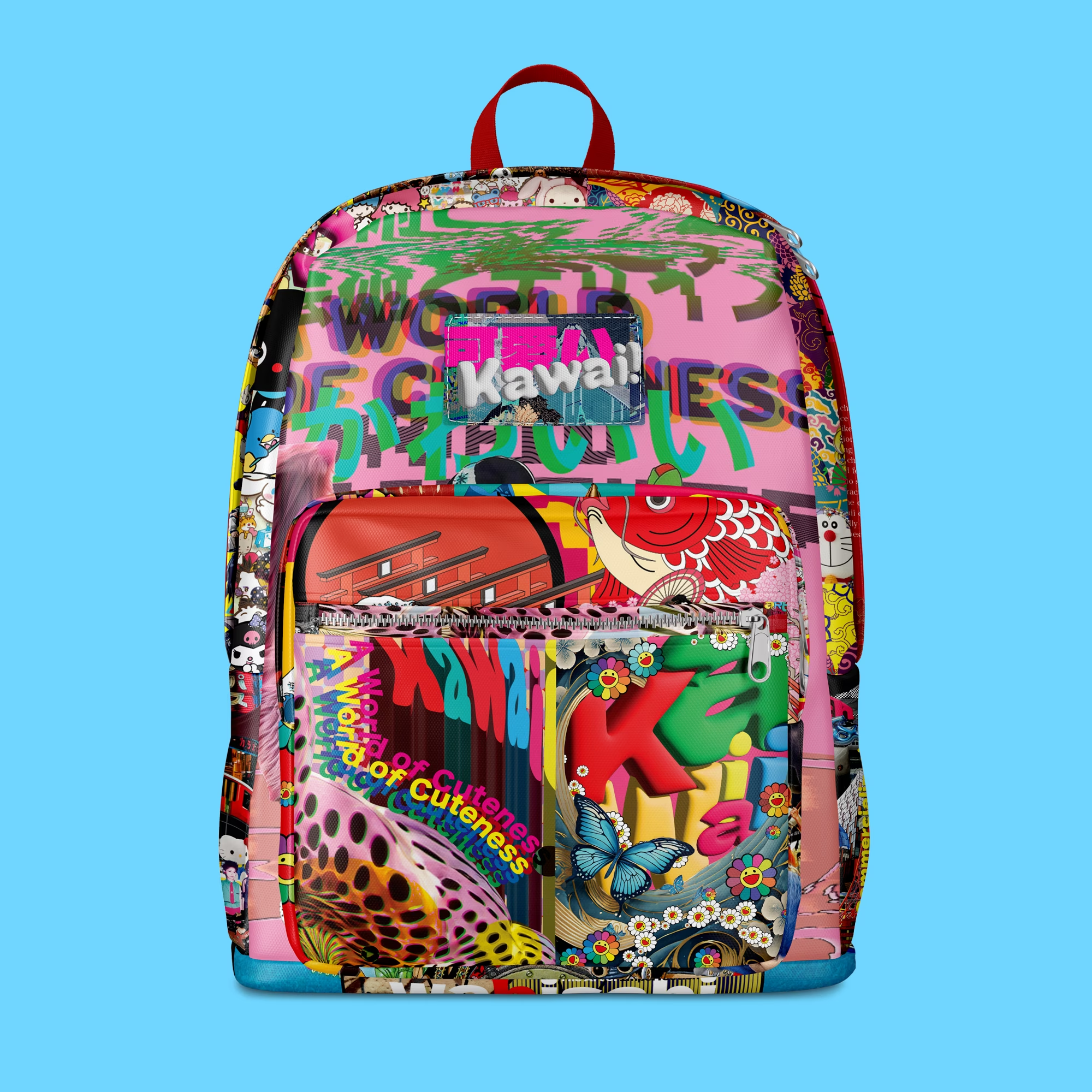
Capitalizing on a vast archive of over 80 elaborate, vibrant artworks created for the booklet series, the Kawaii: A World of Cuteness collection extends into a full-scale merchandise and streetwear line.

Commercial Adaptation & Merchandise Strategy

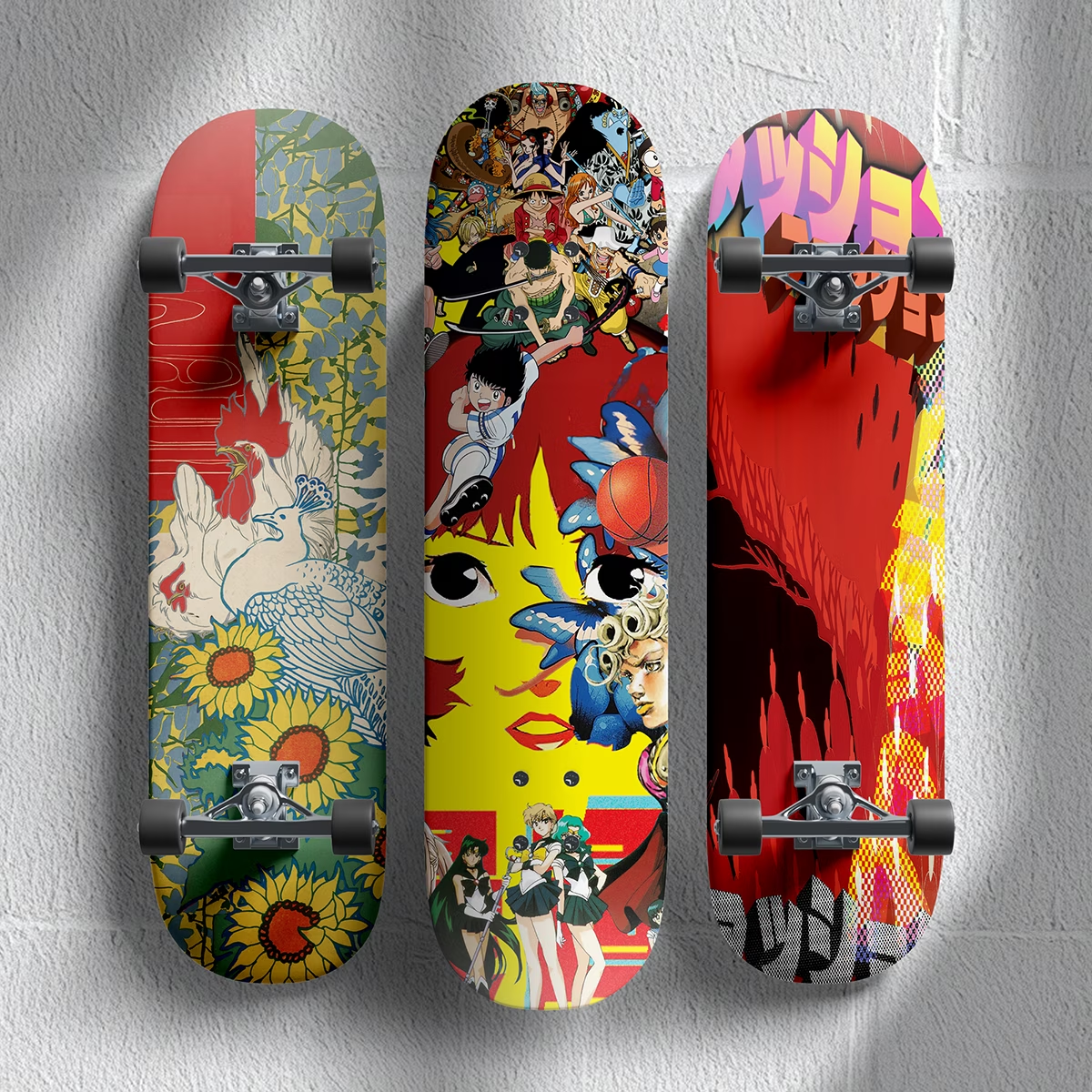
Three wall-mounted skateboards featuring vibrant, anime-style graphic deck prints.

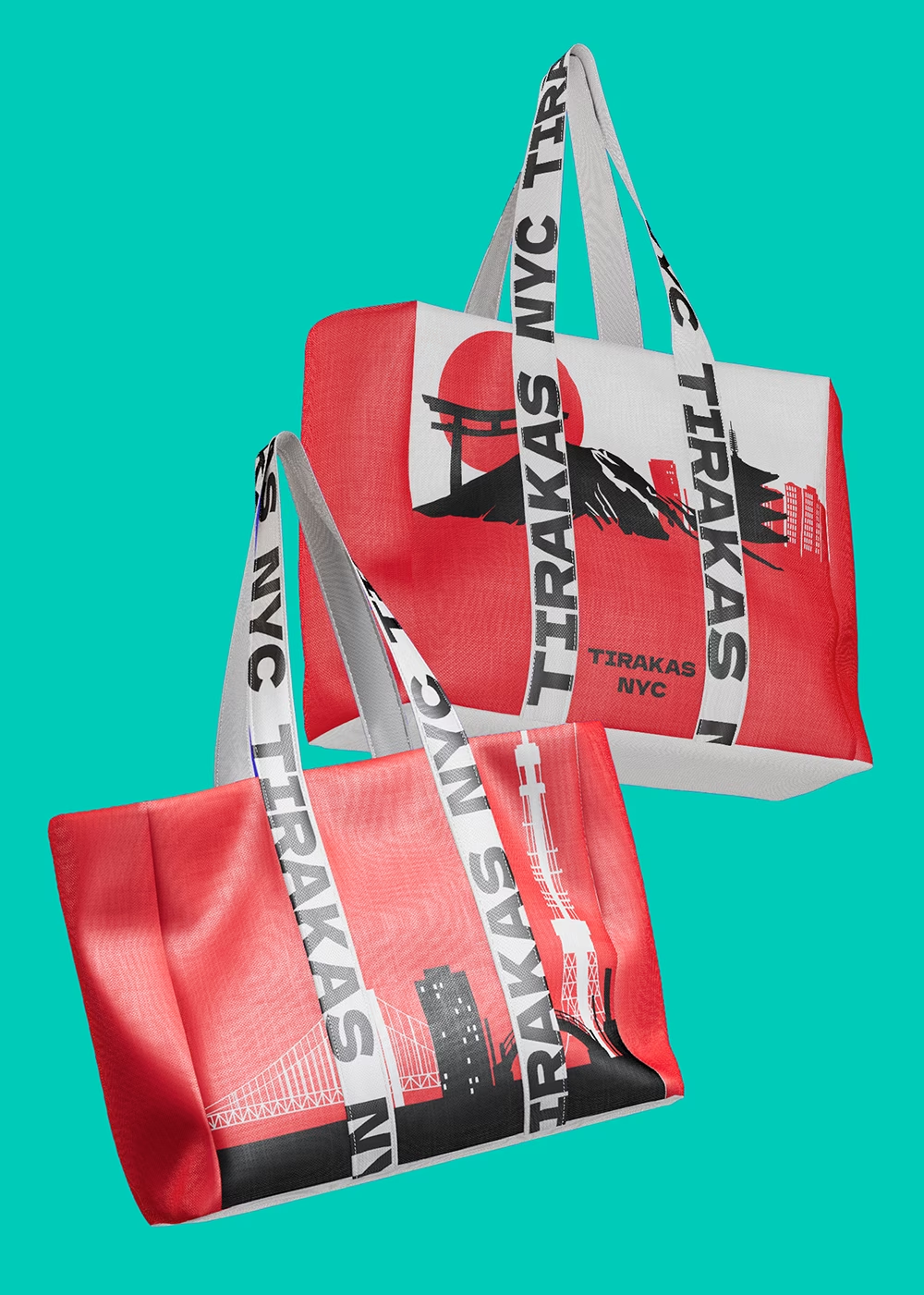
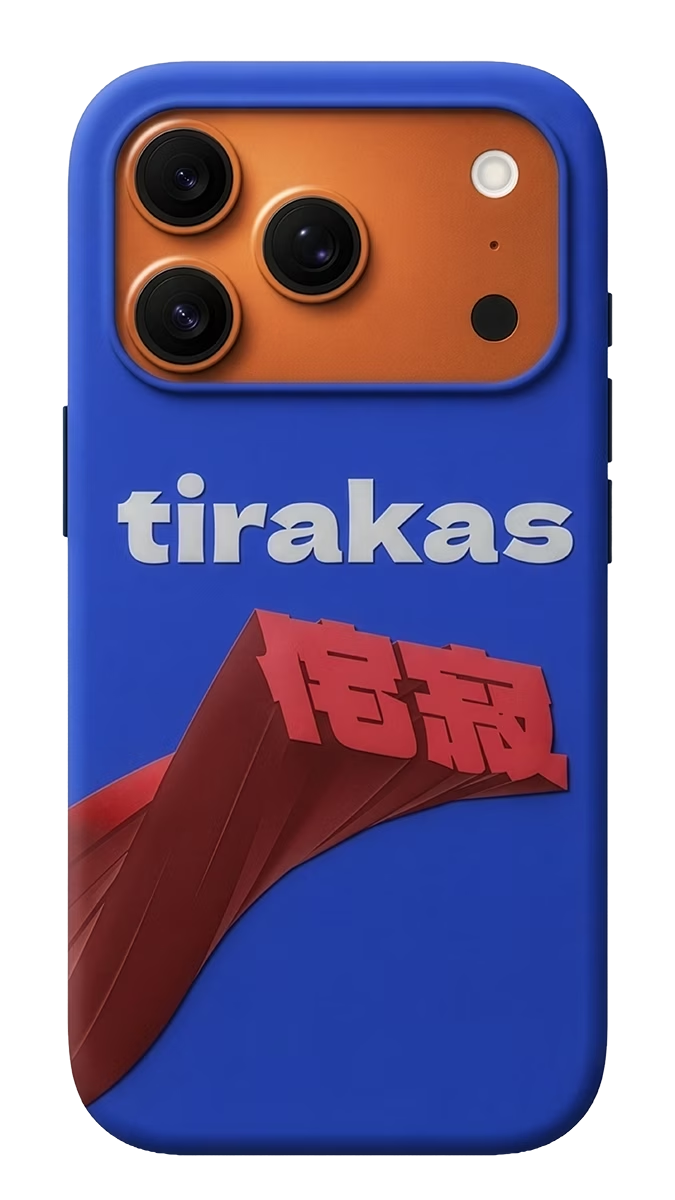
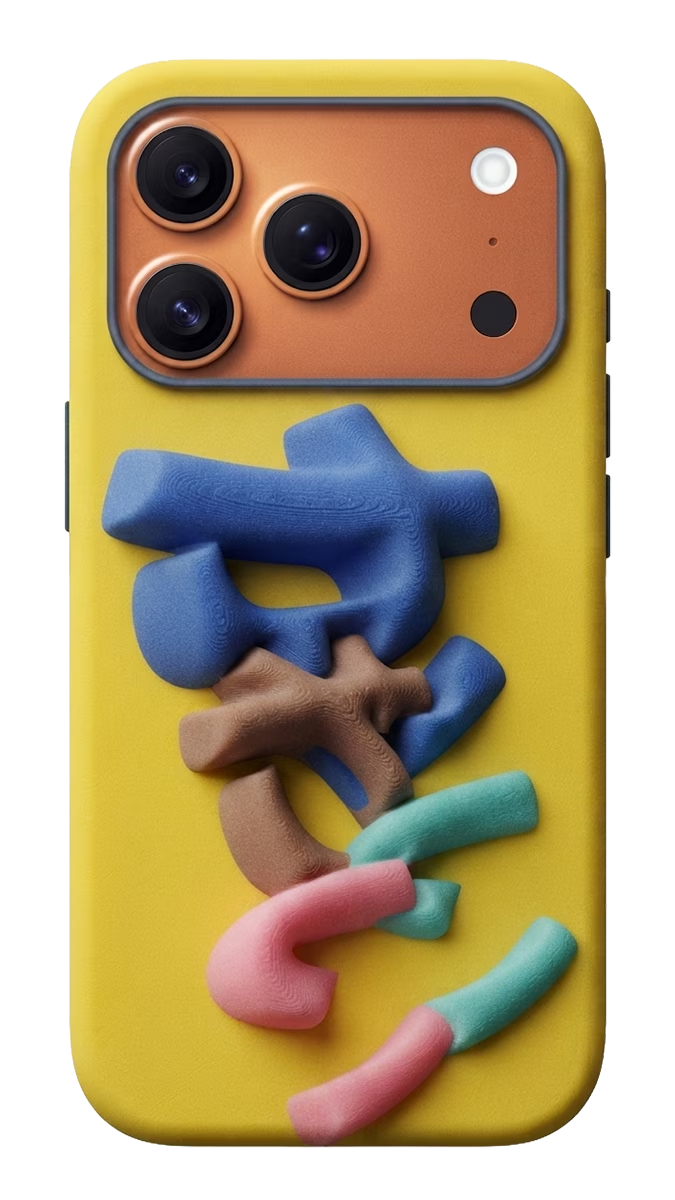
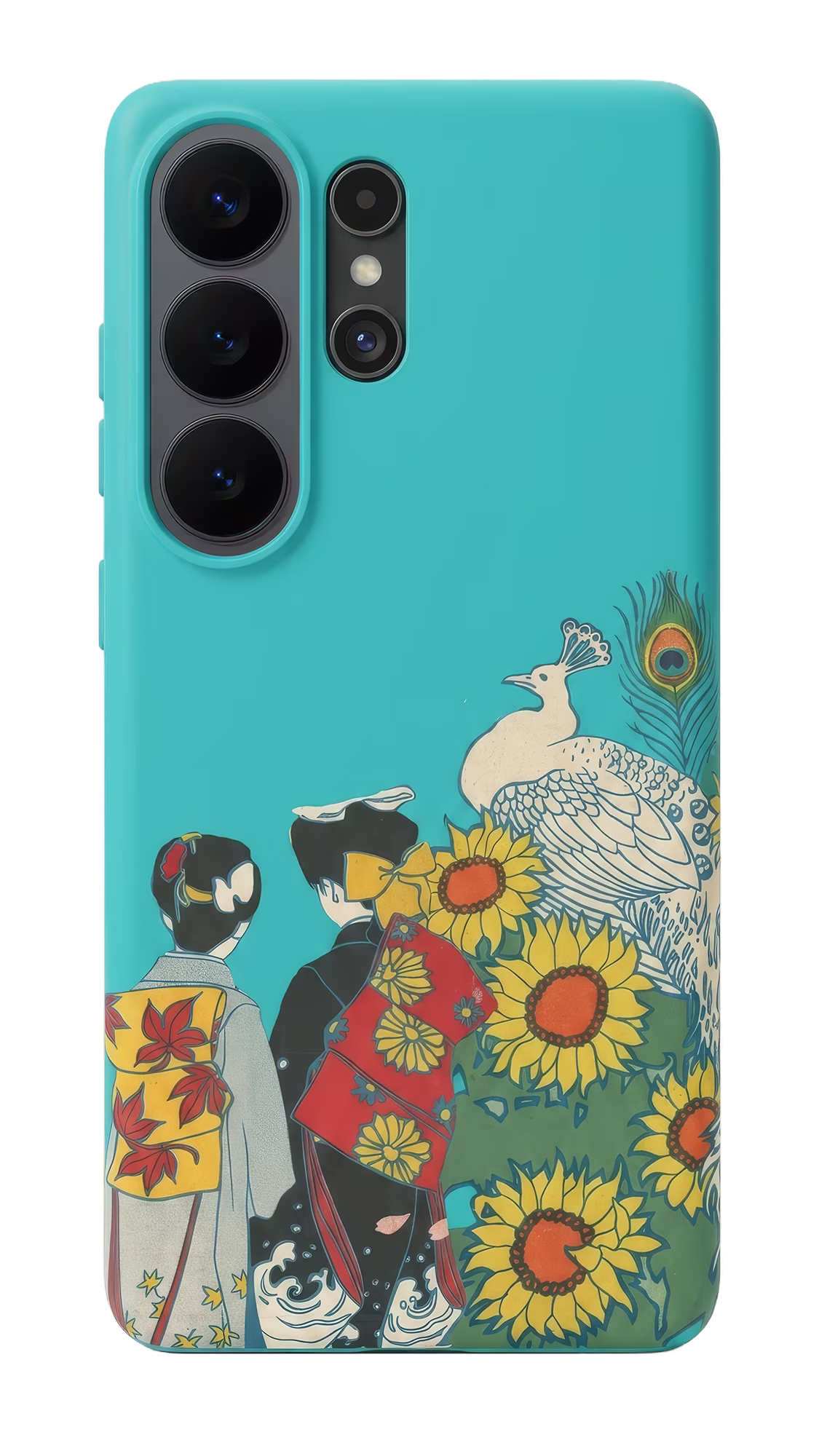
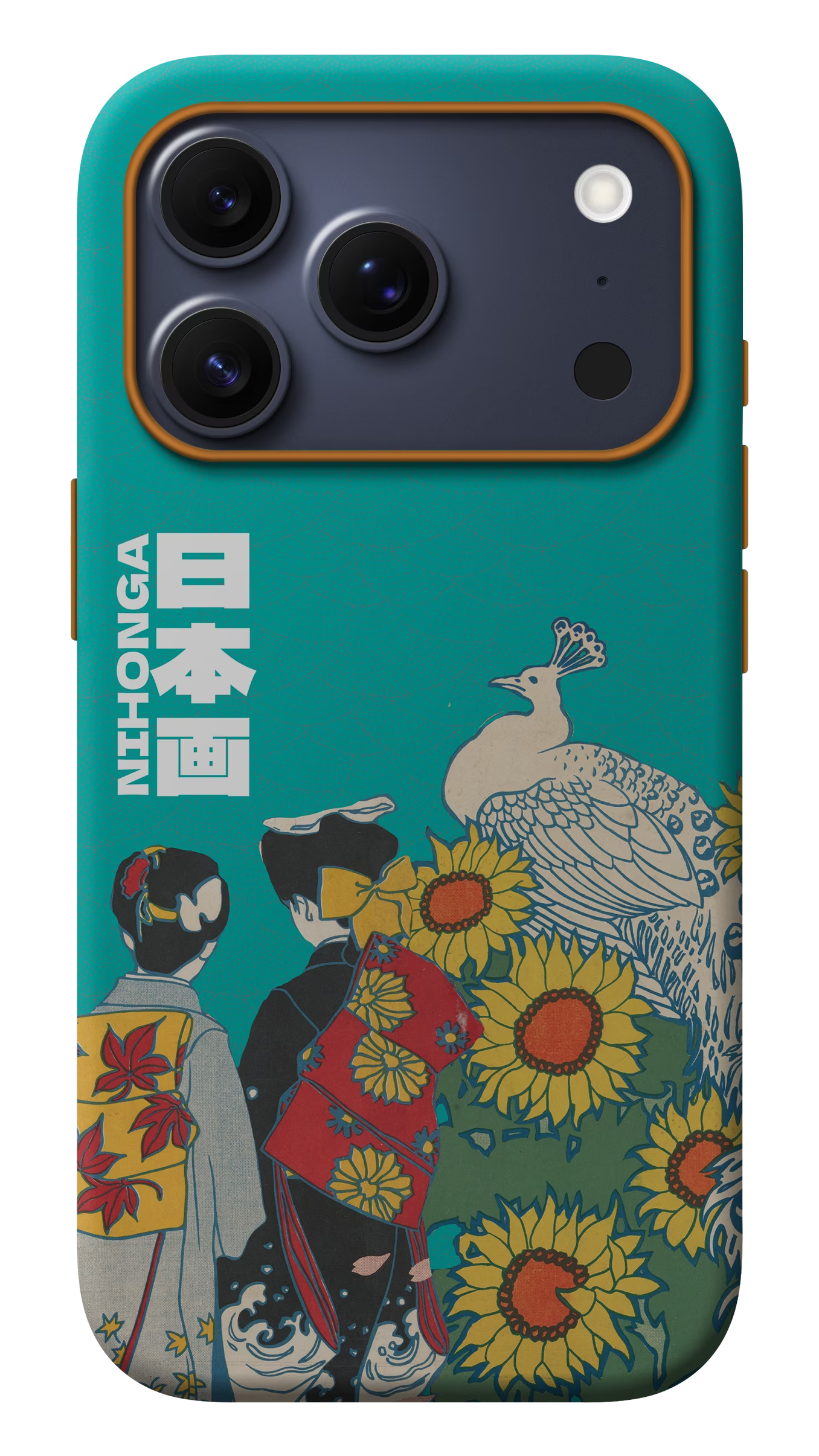
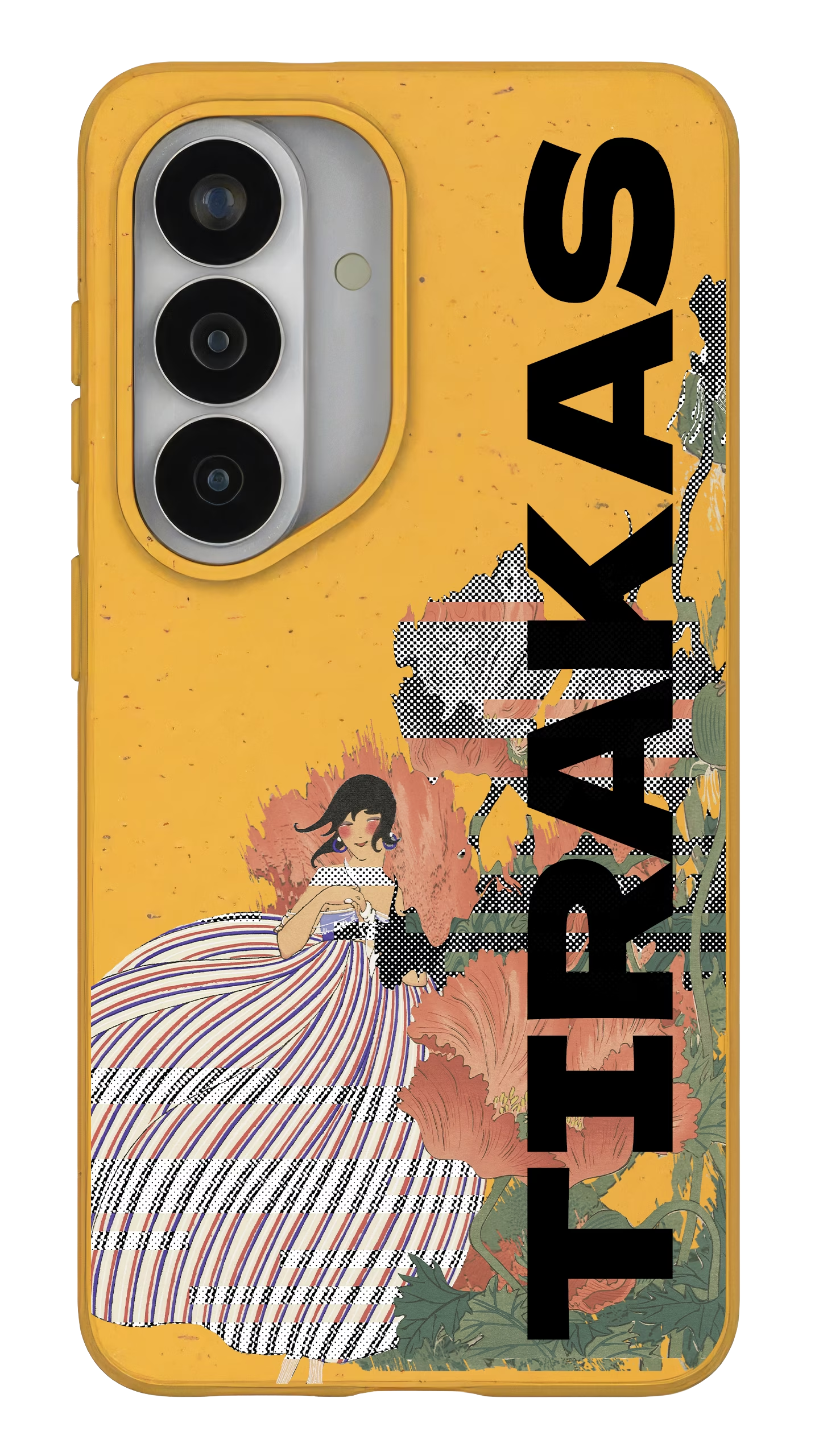
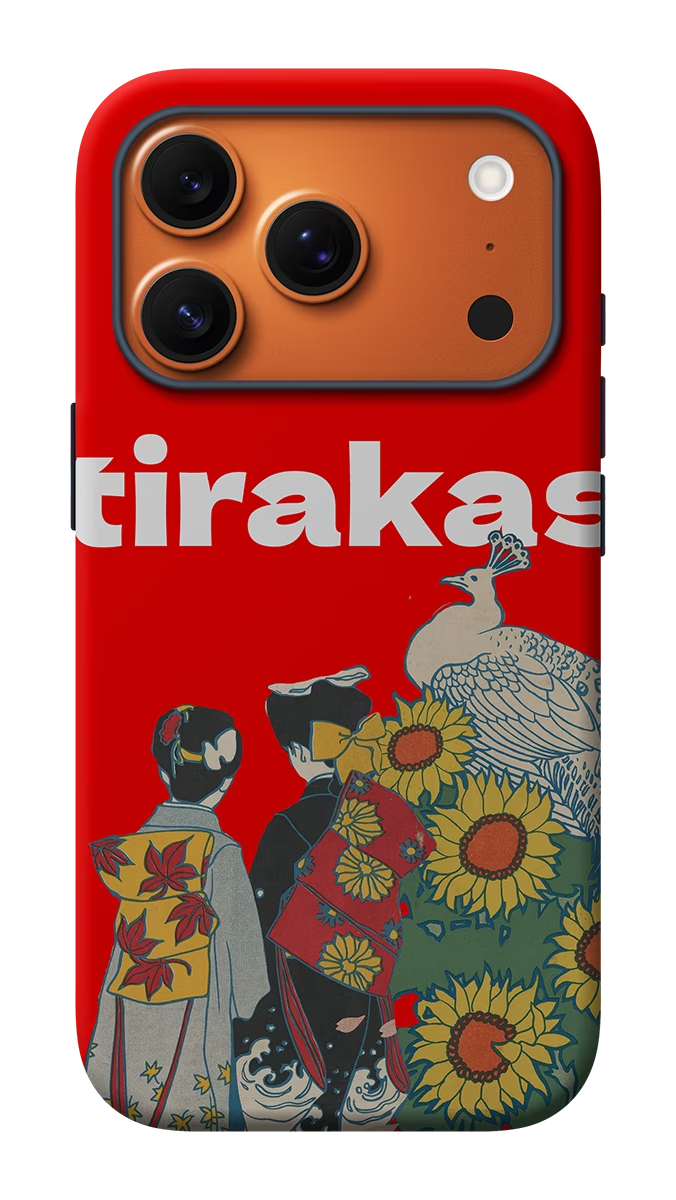
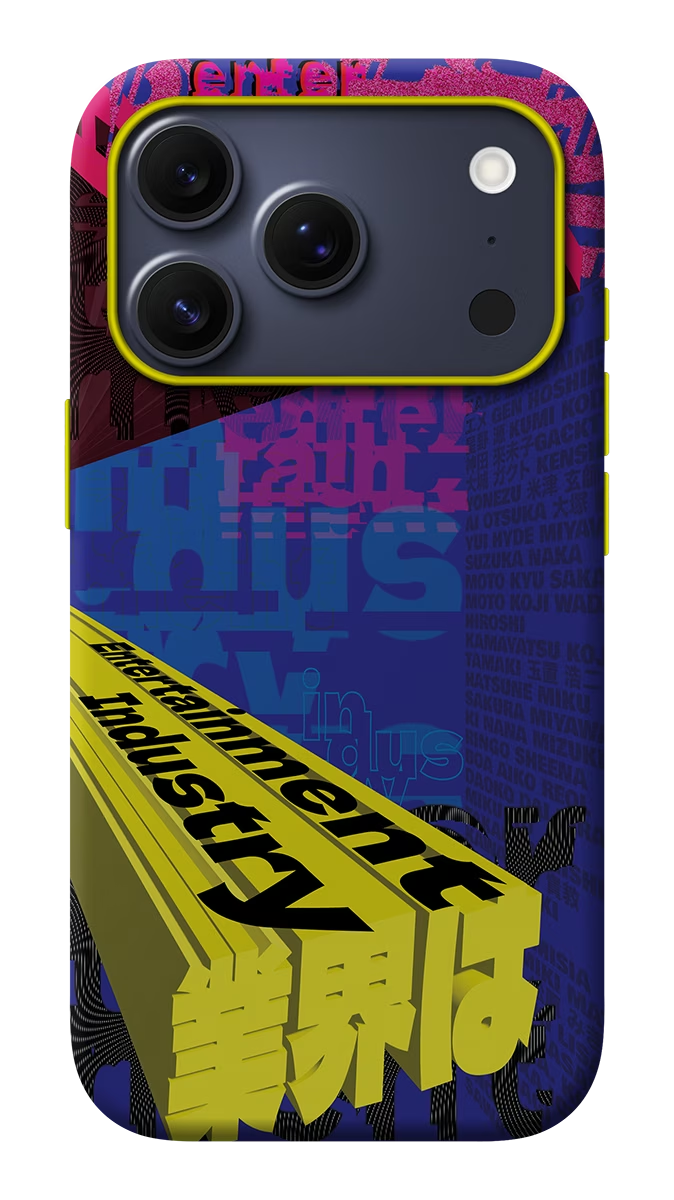
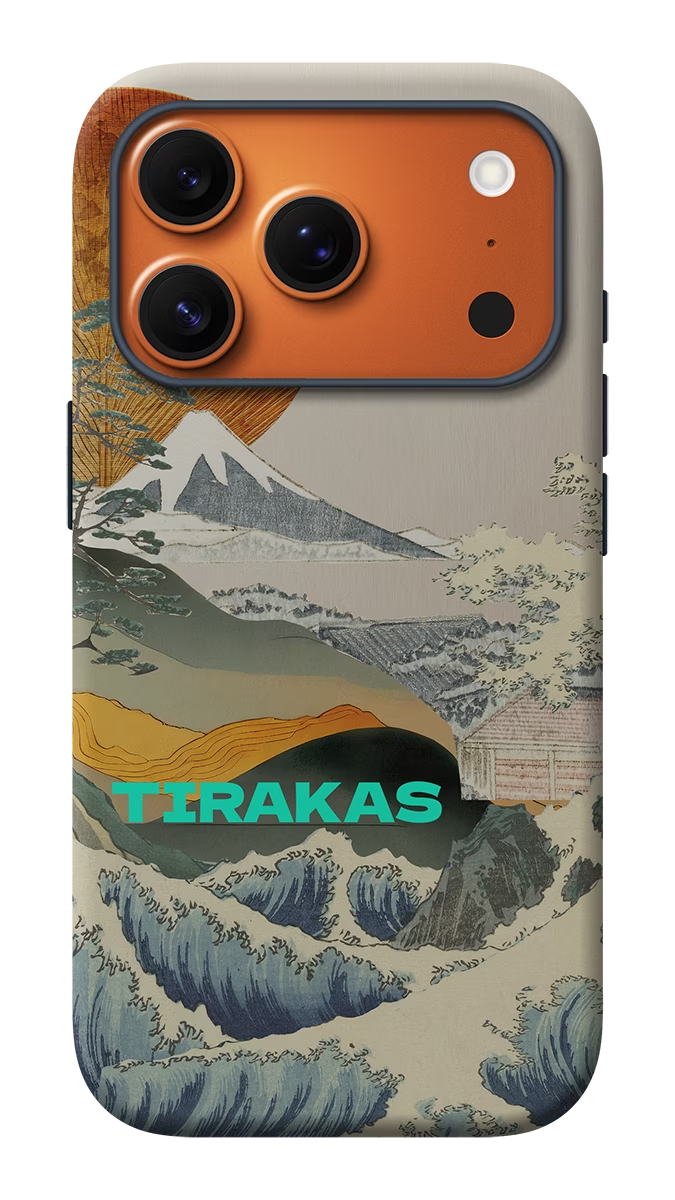
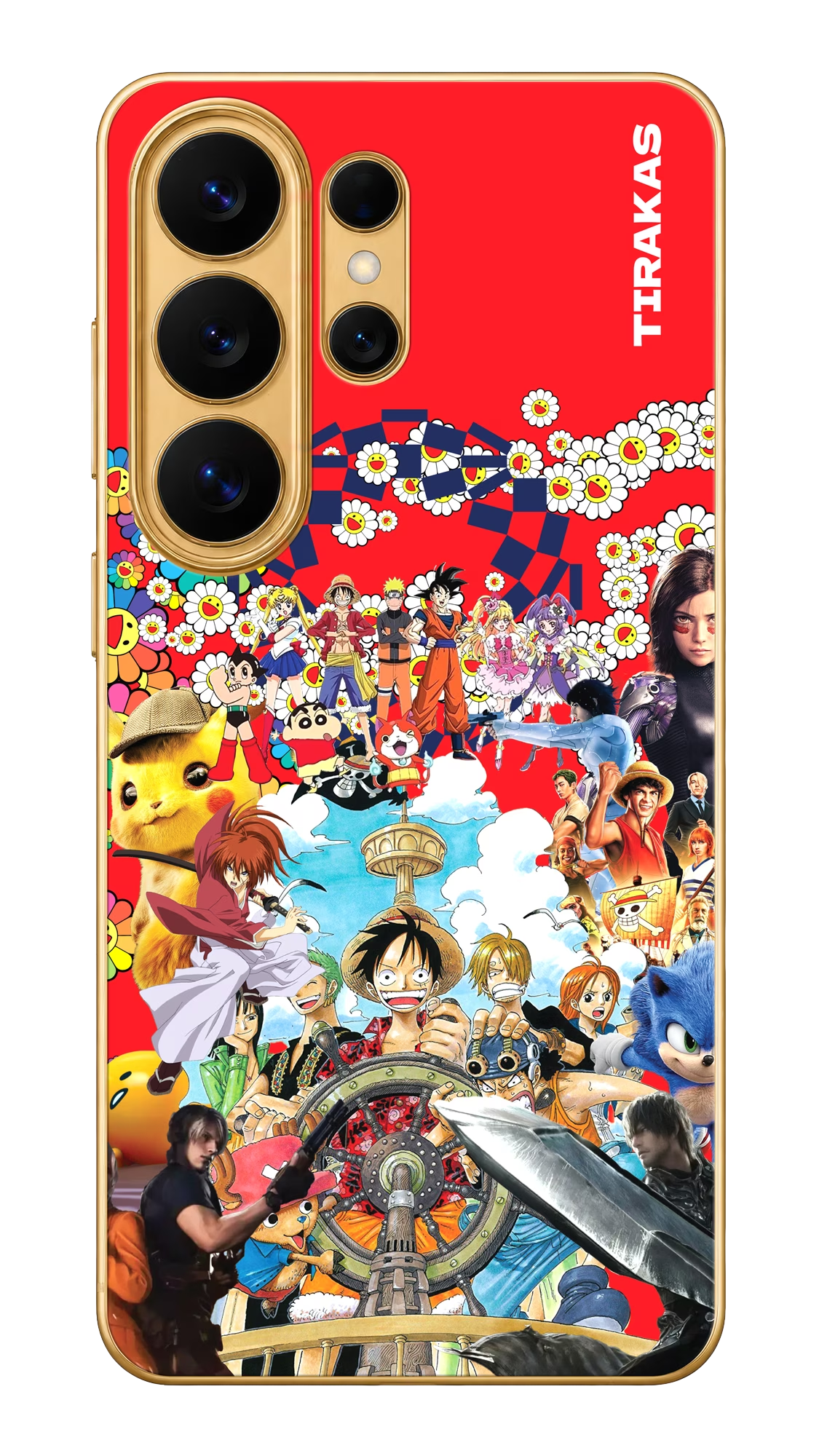
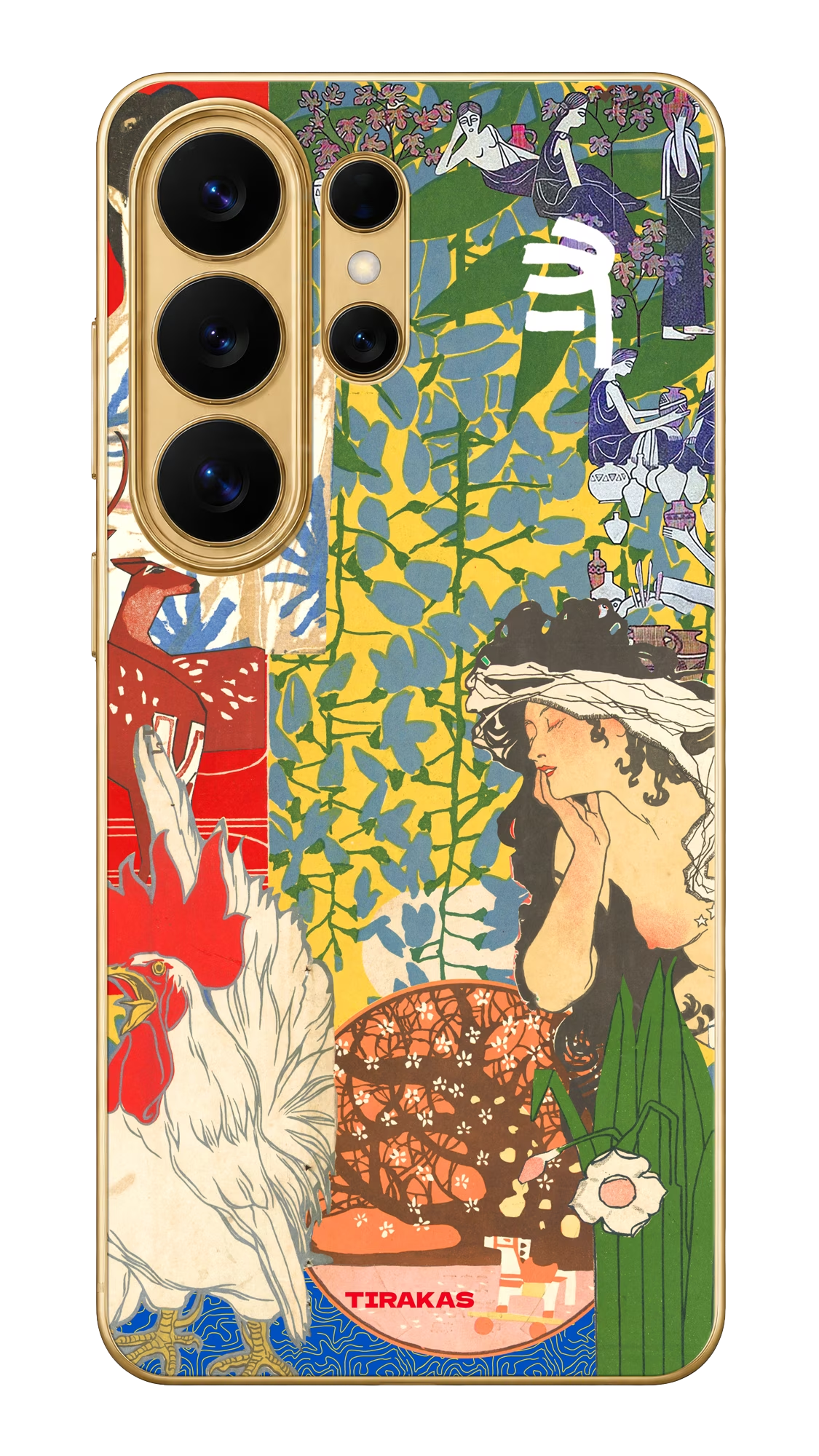
By converting rich collage textures, typographic patterns, and historic visual motifs into intricate, and unique patterns and bold central graphics, the artwork seamlessly translates onto jackets, skateboards, backpacks, tote bags, luggage, phone cases, water bottles, button pins, and fine art posters.

Designed to launch alongside the publication series, this commercial extension bridges publication design and lifestyle branding, offering fans tangible, wearable pieces of the project’s visual universe.

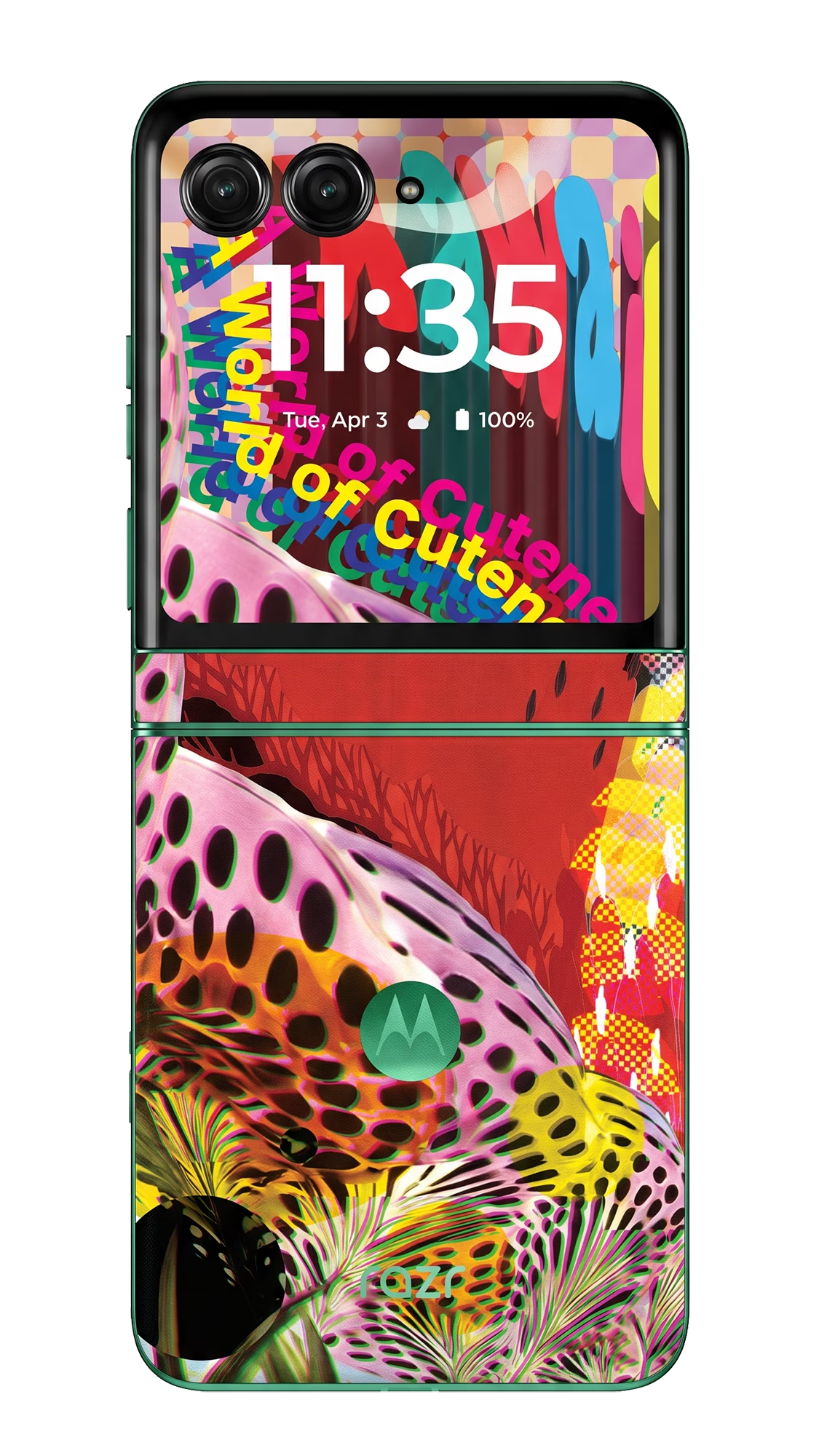
The device "Motorola RZR" is sporting a highly vibrant, colorful, and psychedelic abstract pattern across both the physical back pane and the matching digital outer screen wallpaper. The cover screen prominently reads the phrase "A World of Cuteness.

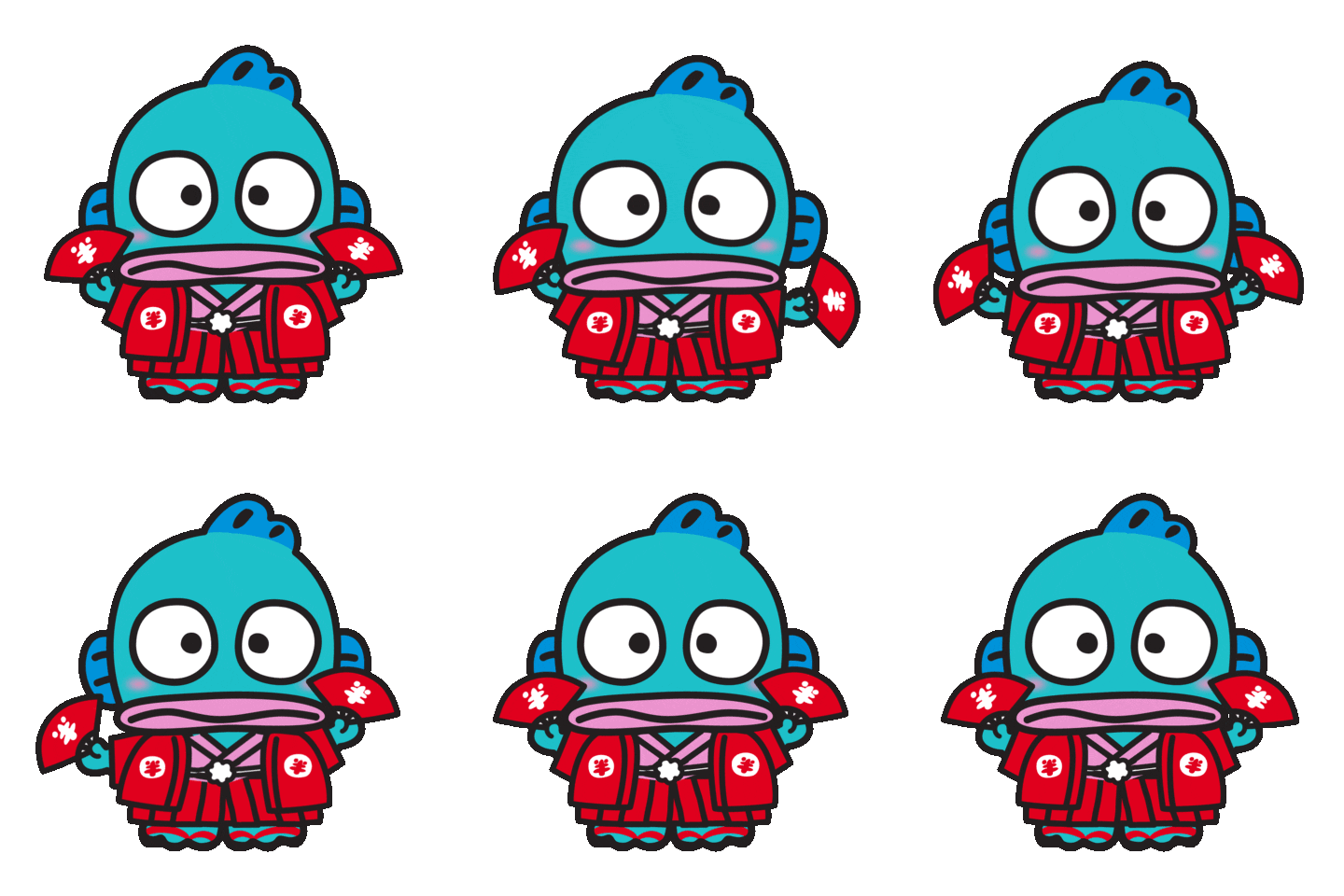
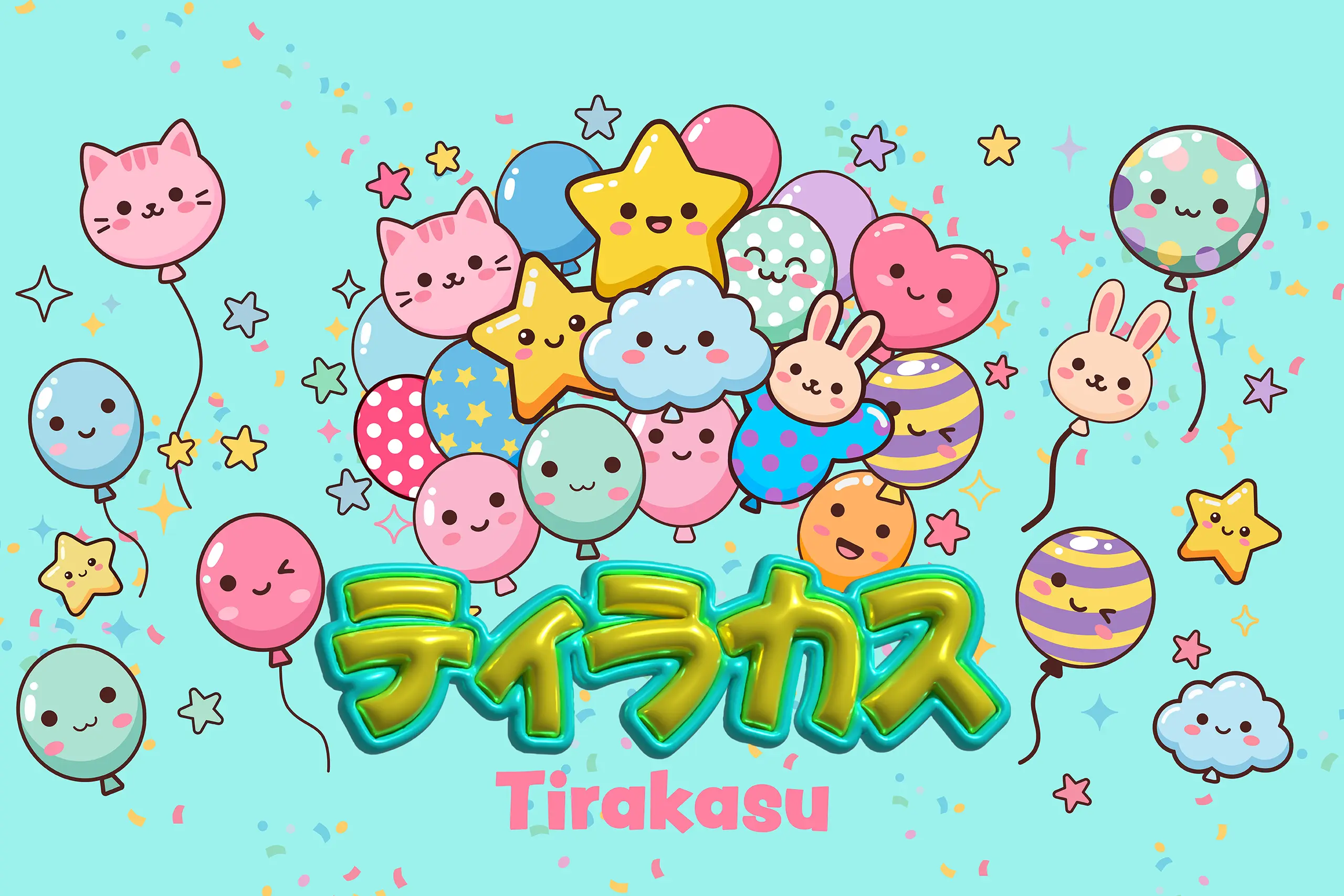
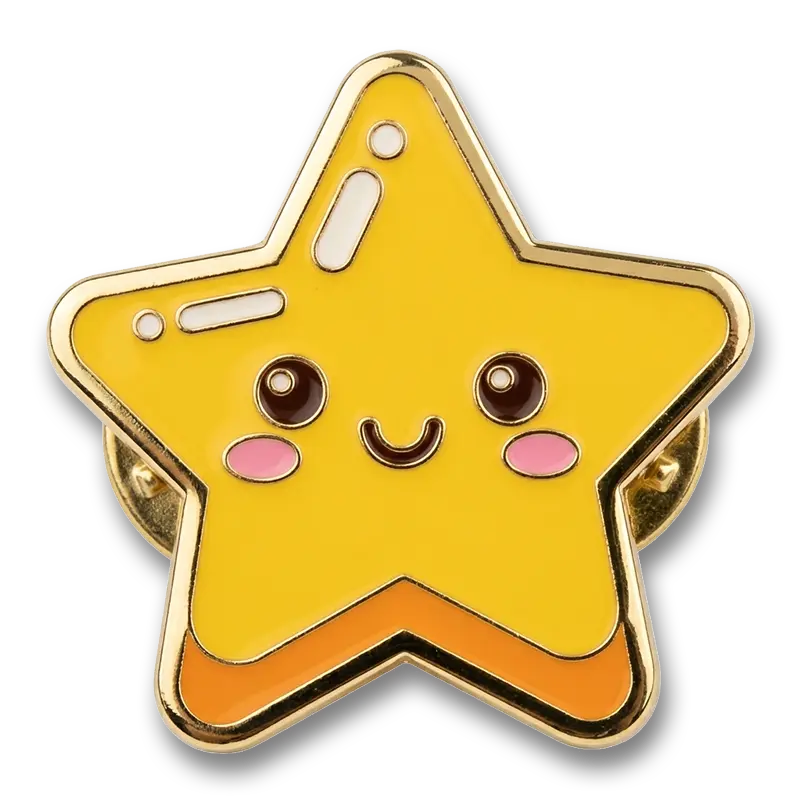
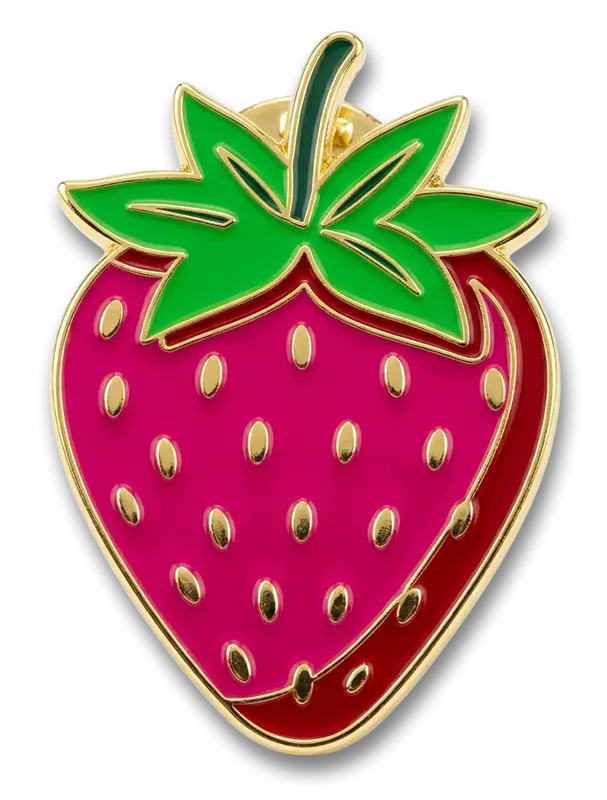
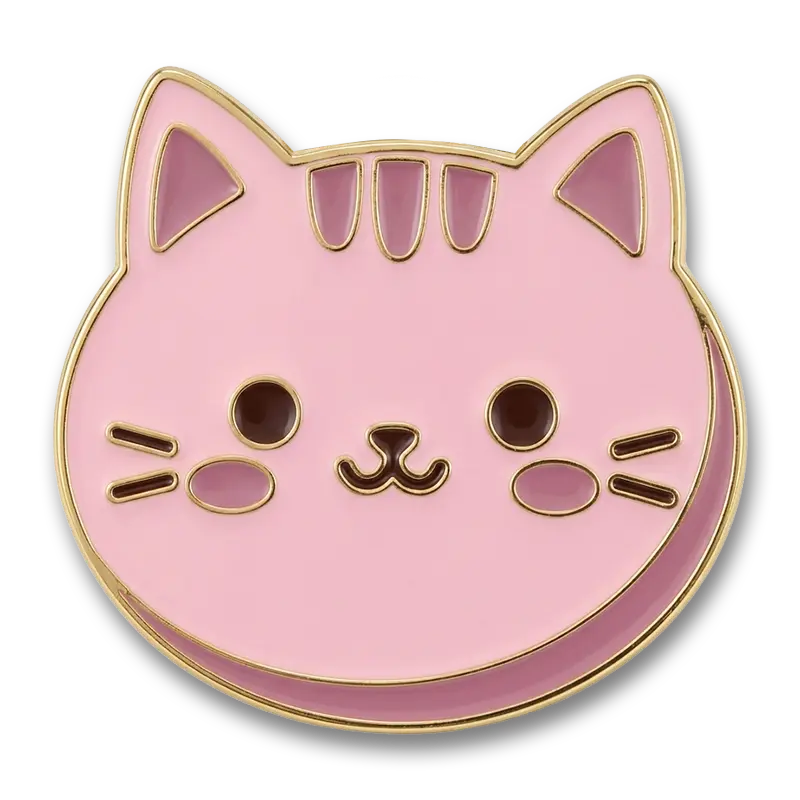
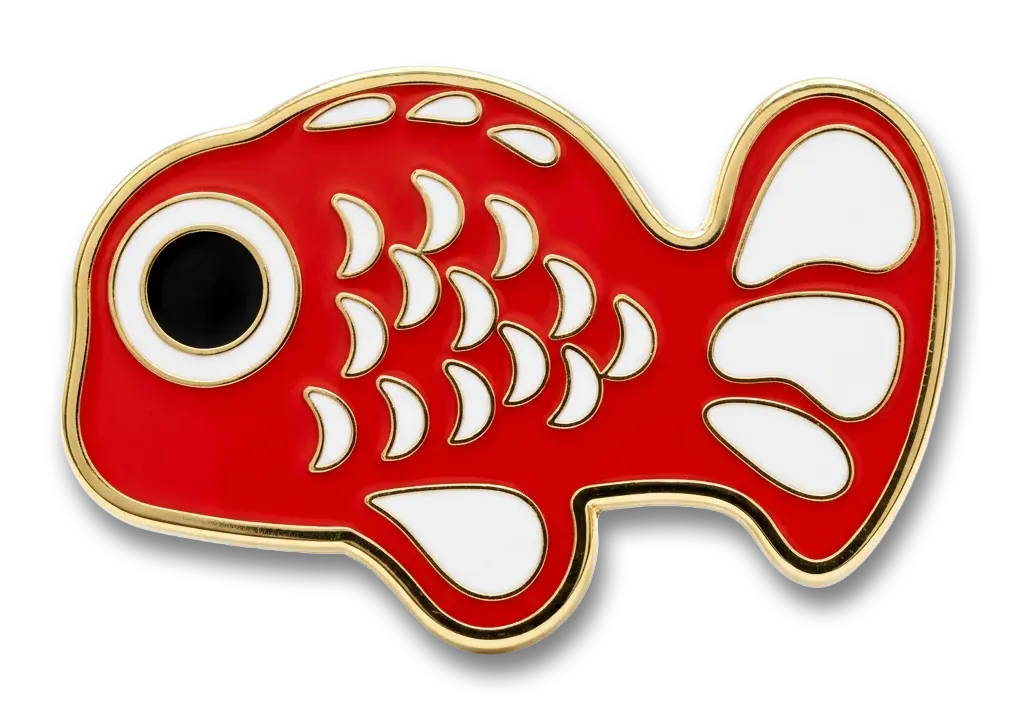
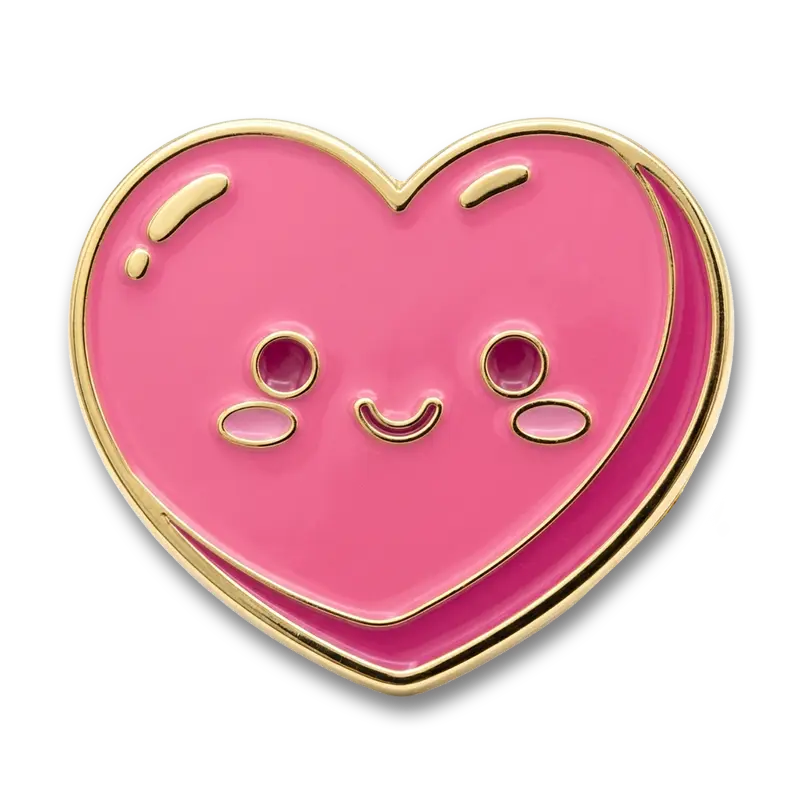
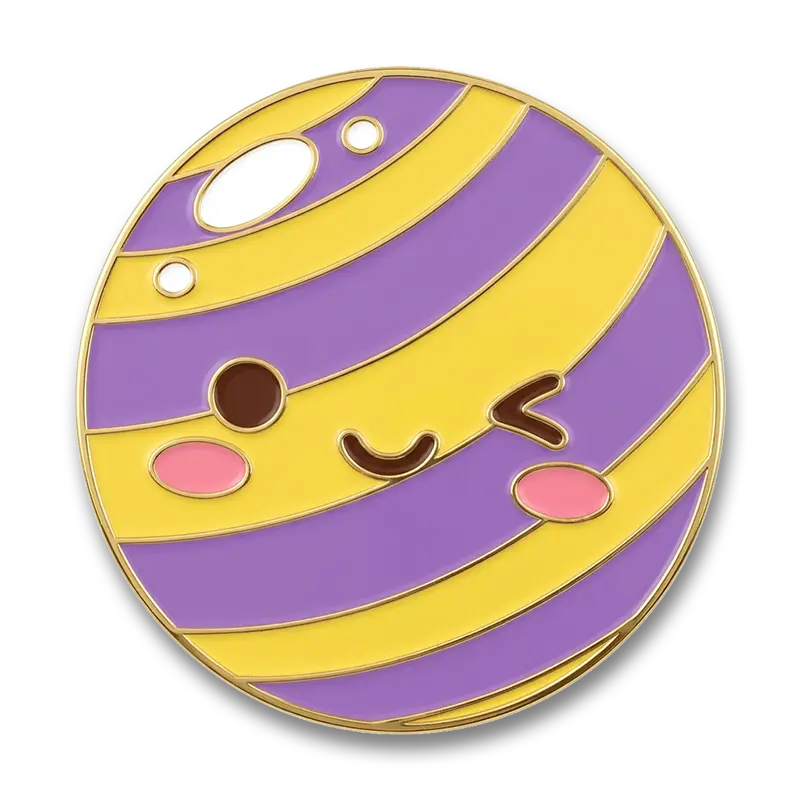
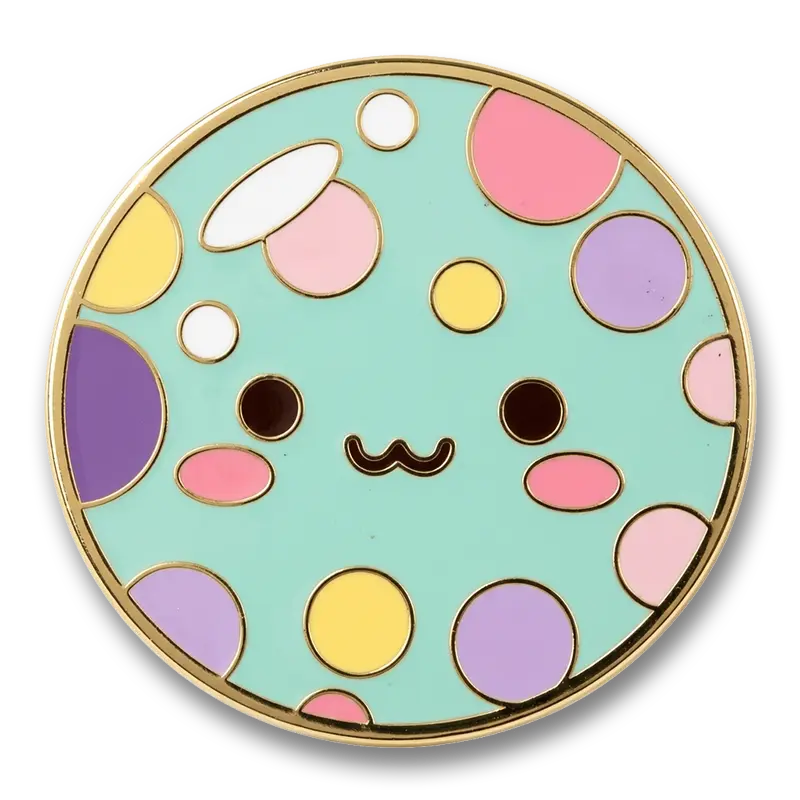
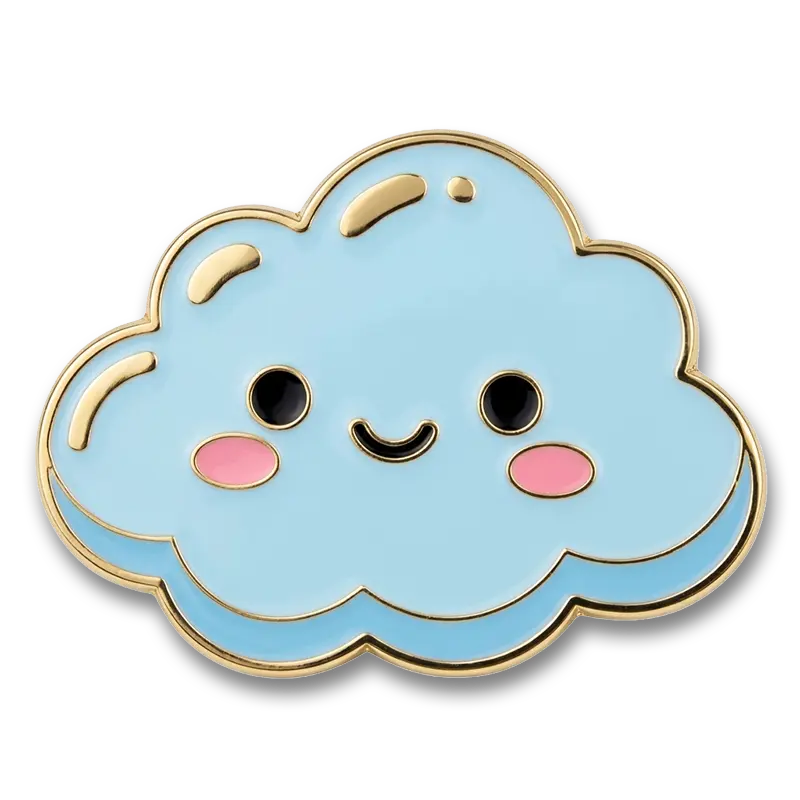
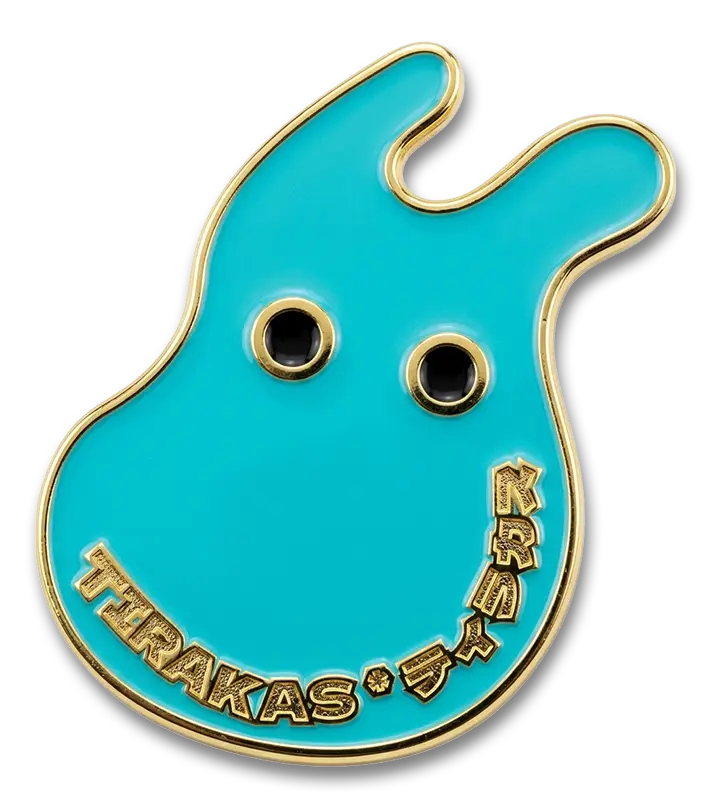
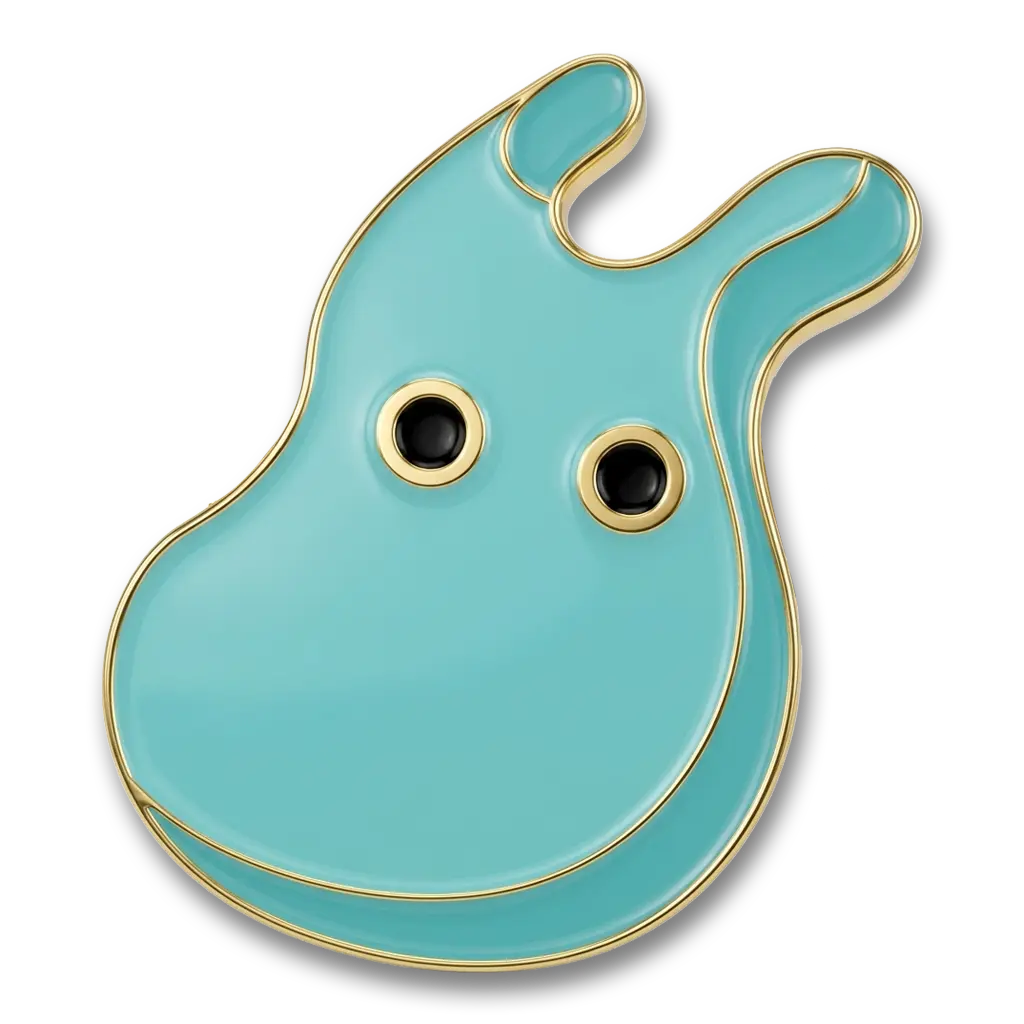
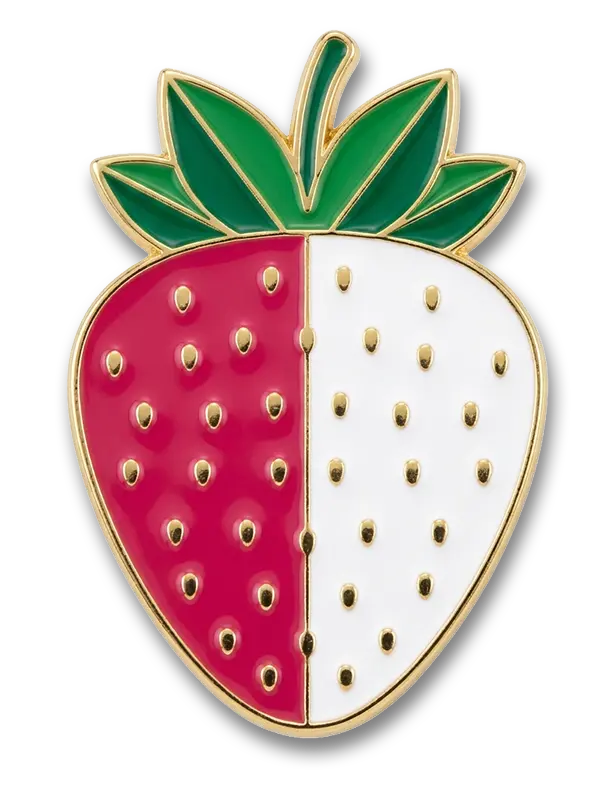
Kawaii character design is a powerful way to build a lasting brand identity and explore endless creative possibilities. Brands like Pop Mart, Sanrio, and Disney show how memorable characters can grow into successful product lines and collectibles, and become part of popular culture. By creating characters that emotionally connect with Kawaii lovers, brands can open up new revenue opportunities through licensing and royalties. These mockups demonstrate how simple shapes and pastel colors can be transformed into a variety of creative products, including pins, toys, animations, and merchandise.

Haneremi ハンネレミ Mekki メッキ Muumi ムーミ Rasumi ラスミ Shomupu ショムプ Dangu ダング

The plushie (stuffed animal or soft toy) industry is a multibillion-dollar business. Designing plushies involves more than just their shapes and appearances. Colors, patterns, and materials also play an important role in creating a soft, comforting experience for Kawaii lovers. From ugly-cute and grotesque to supercute, plushies come in many styles, each with its own story to tell. With creative storytelling, innovative marketing, and collaborations with other brands, plushies can attract more customers, boost sales, and increase brand recognition.
This mockup presents an interactive UI/UX archive exploring Kawaii culture. The ongoing project aims to collect, research, and curate different expressions of cuteness across cultures. While the current archive focuses on the origins of Kawaii in Japan, it could expand in the future to explore cuteness as a global cultural phenomenon. Through vibrant visuals and interactive content, the website helps users understand the history, development, and evolution of Kawaii culture.
Magic Box

Magic Box is an experimental packaging design project that challenges standard, rigid retail norms by re-conceptualizing toy packaging through the nostalgic, playful silhouette of a milk and juice carton. Traditional toy packaging often relies on disposable rectangular boxes or plastic blister packs. By merging the everyday functional architecture of a milk carton with a whimsical Kawaii design system, Magic Box transforms standard packaging into a collectible art object in its own right.
Adding Kawaii (the culture of cuteness) to packaging design and patterns goes beyond aesthetics—it creates emotional connections with consumers and kawaii enthusiasts and can deliver real business value. Cute visuals evoke feelings of delight and warmth, helping brands make a positive first impression even before customers open the package.

Once rooted in Japanese culture, Kawaii has grown into a global design trend embraced by Gen Z, Millennials, and adults alike. Its playful charm offers a welcome escape from everyday stress, bringing a little joy to daily life.

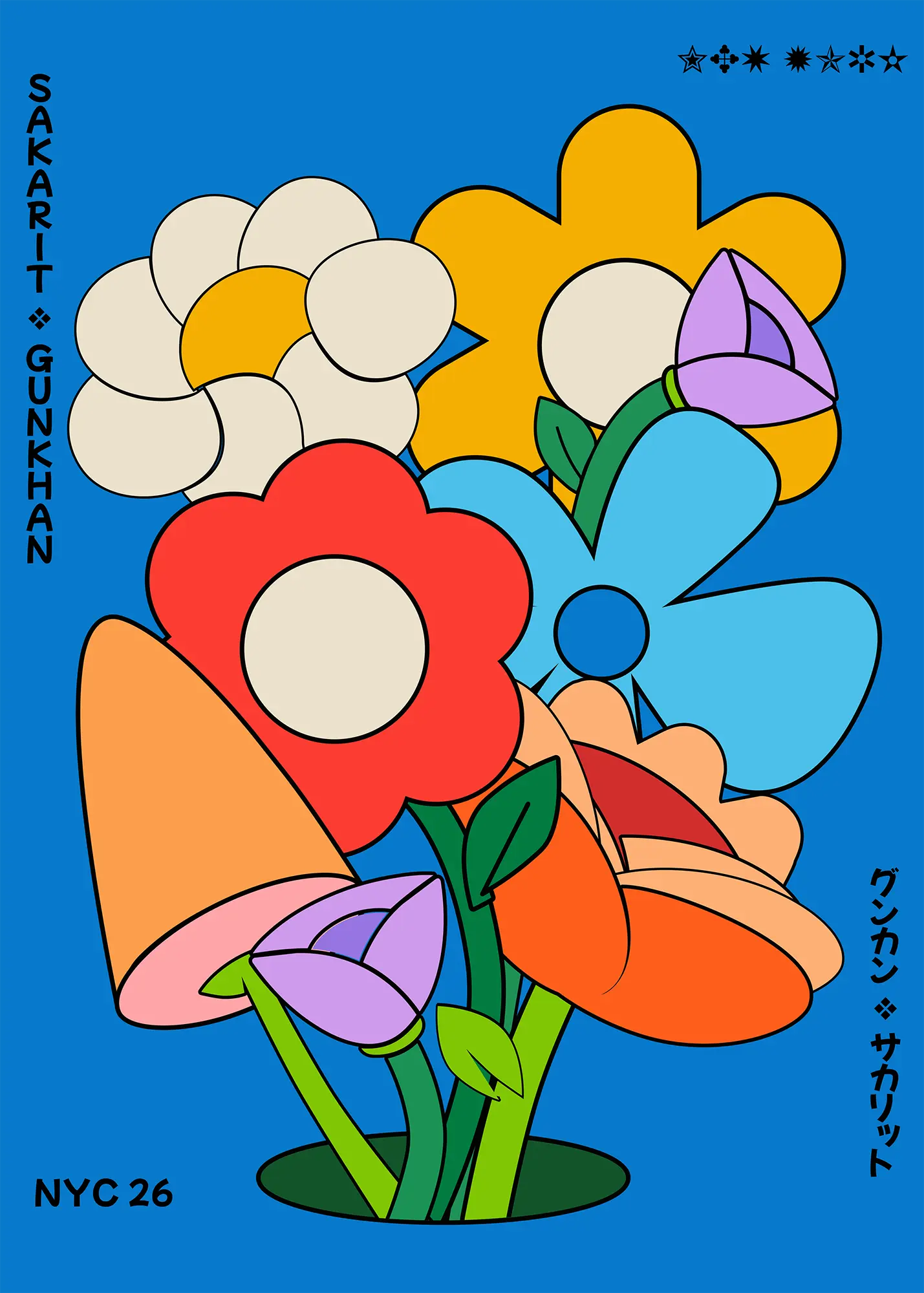
A vibrant vector pop art illustration on a bright blue background featuring stylized, colorful retro flower blooms and buds emerging from a circular base, with vertical black text reading "SAKARIT ❖ GUNKAN", Japanese katakana text reading "グンカン ❖ サカリット", and "NYC 26" in the lower corner.
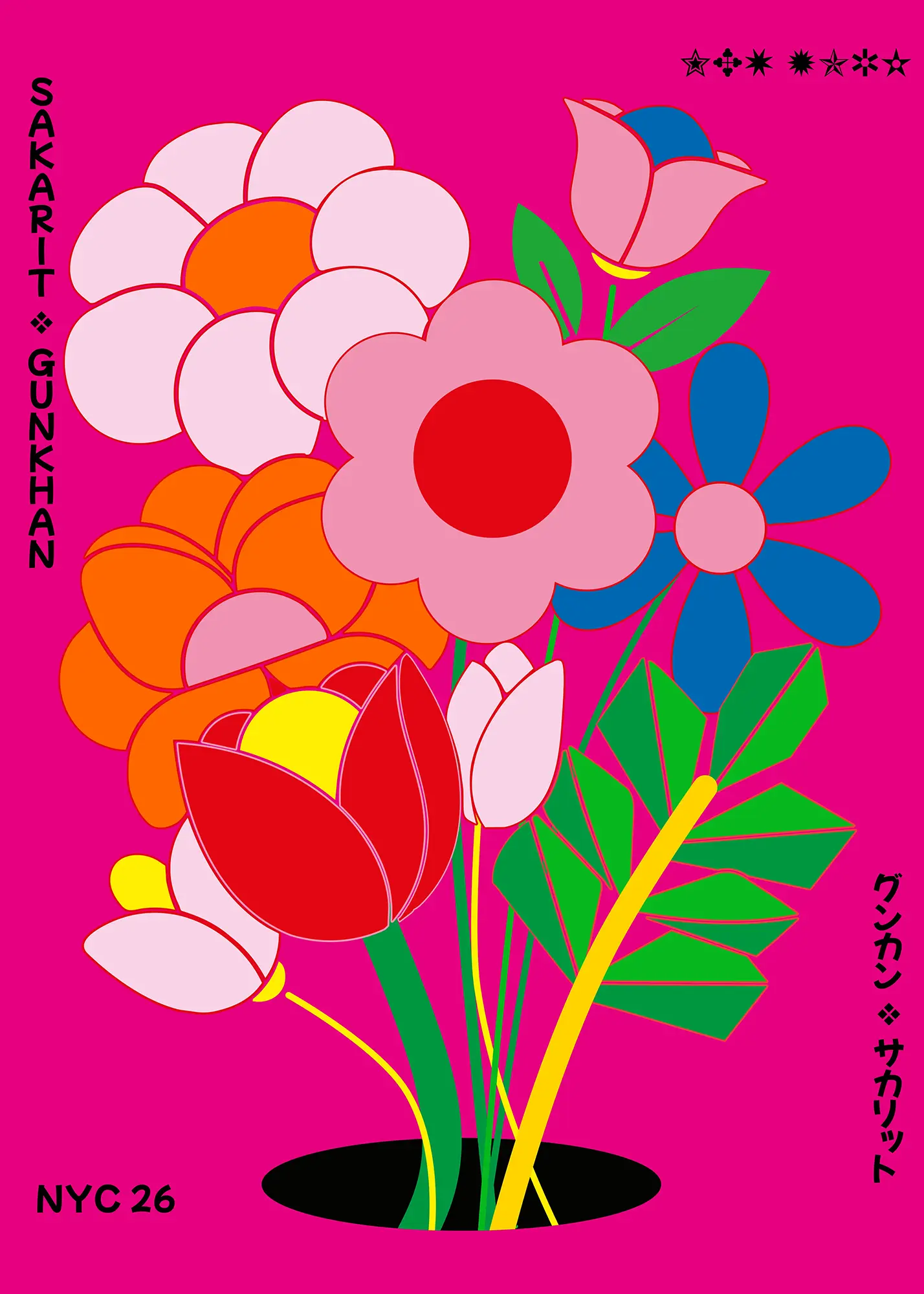
A vibrant vector pop art illustration on a hot magenta pink background featuring stylized, colorful retro flower blooms, tulips, and green foliage emerging from a dark base, with vertical black text reading "SAKARIT ❖ GUNKAN", Japanese katakana text reading "グンカン ❖ サカリット", and "NYC 26" in the lower corner.

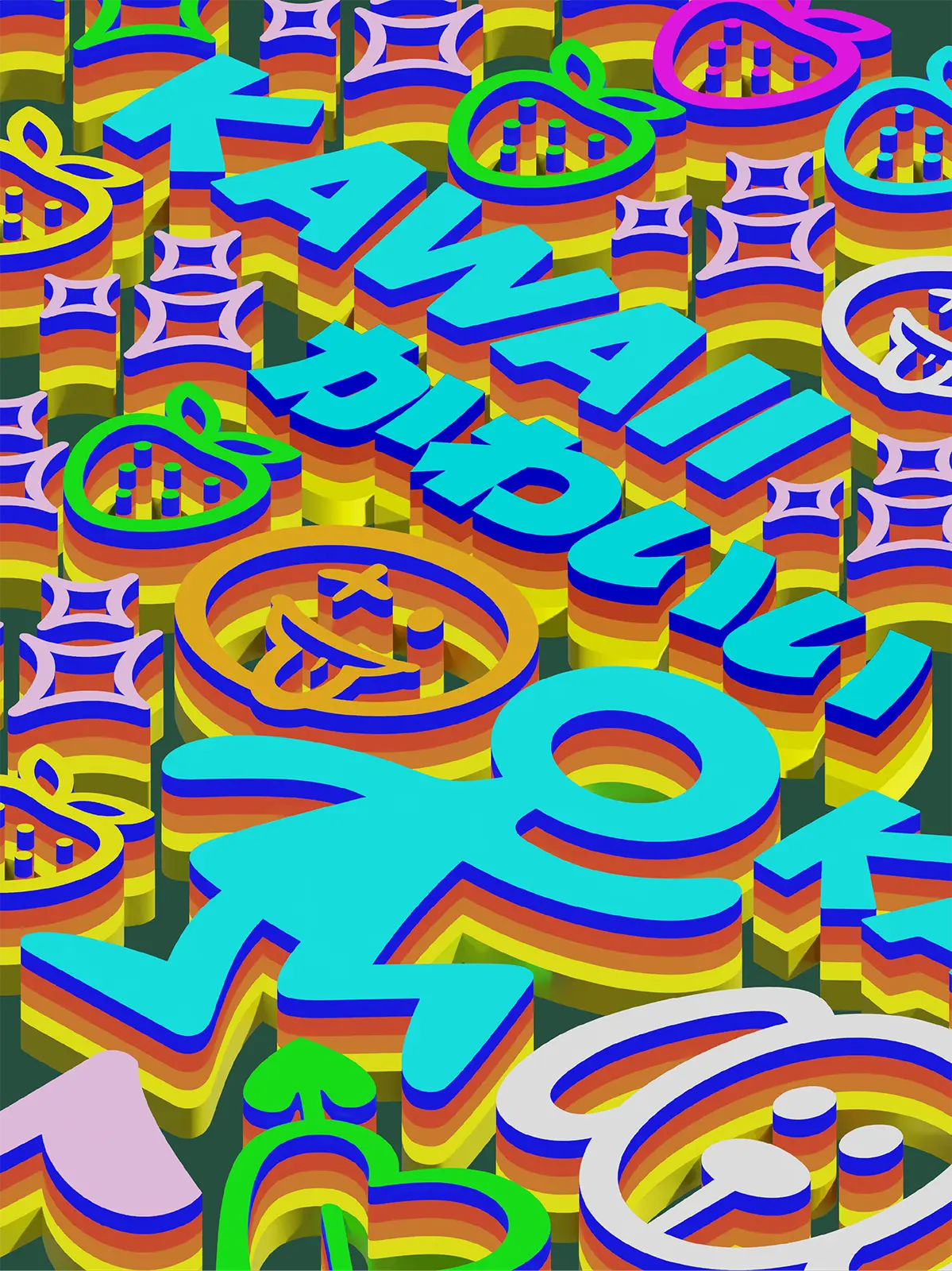
These poster designs explore how Kawaii: A World of Cuteness can manifest across different styles and layouts. Moving beyond a rigid dictionary definition of “cute,” kawaii has evolved into a sprawling, multilayered social and emotional language. It can express playful innocence, as seen in characters like Gudetama, while also embracing unconventional aesthetics such as kimo-kawaii (“gross-cute”) and yami-kawaii (“sick-cute”), where grotesque, unsettling, or darker elements coexist with cuteness.

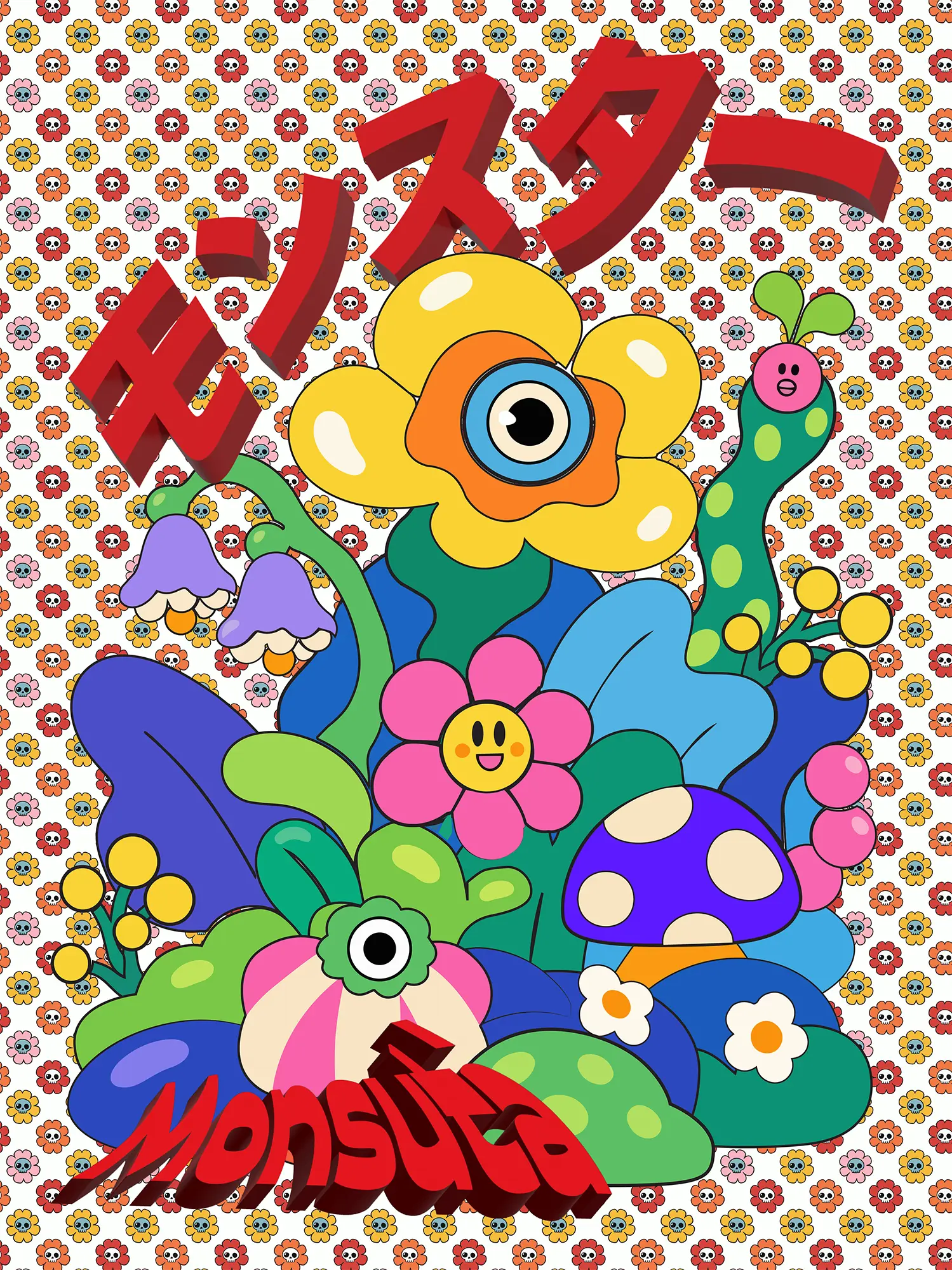
A vibrant, retro-inspired graphic poster against a seamless repeating background of smiling flowers with skull centers; featuring a central cluster of biomorphic monster-flowers with smiling faces, single eyeballs, and spotted mushrooms, topped with bold 3D red katakana text reading "モンスター" (Monster) and stylised 3D red text "MONSŪTA" across the bottom.
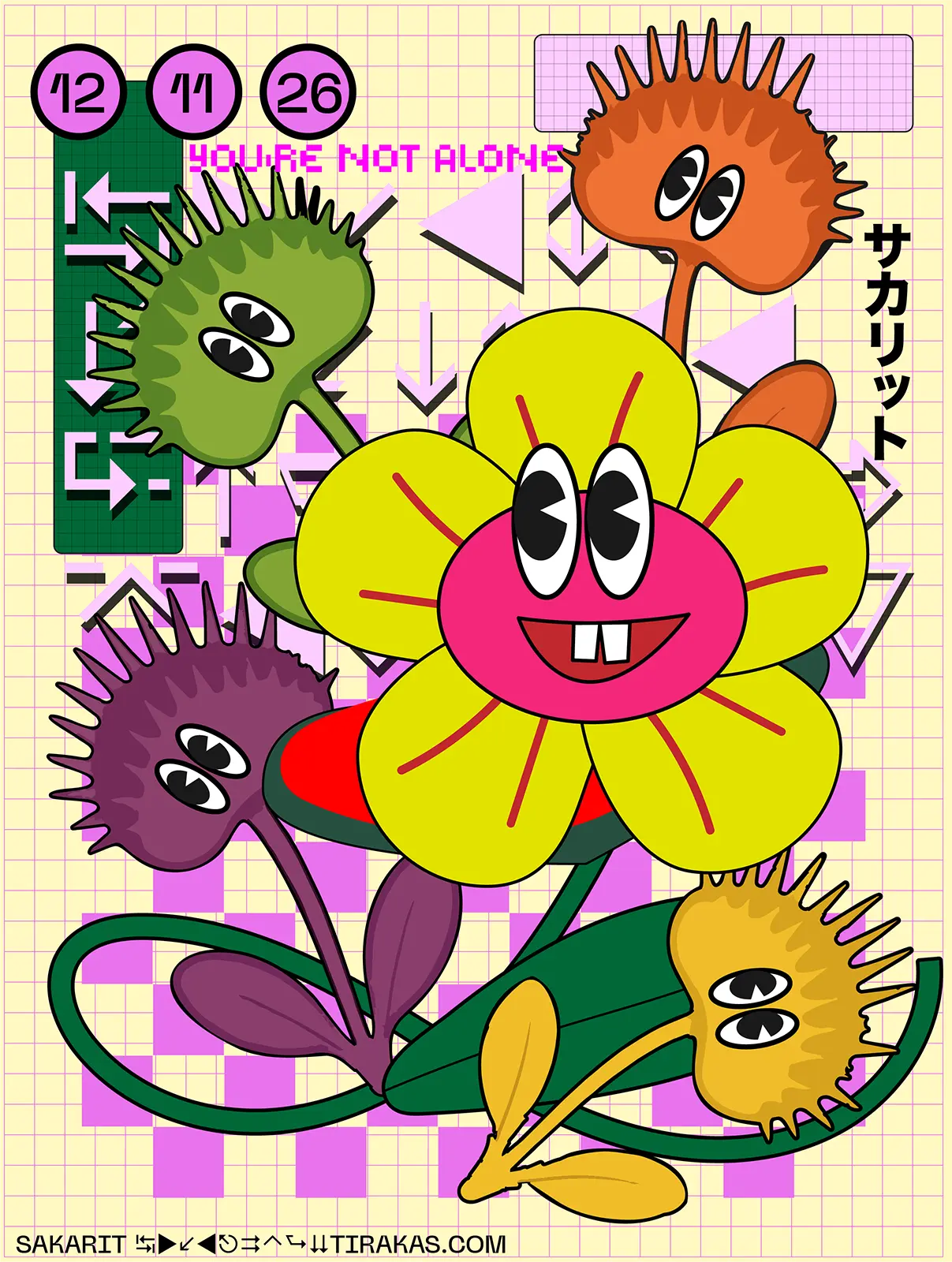
A vibrant retro-futuristic graphic poster set against a yellow grid backdrop, featuring an animated yellow flower with buck teeth alongside four spiked Venus flytrap-like flowers with big cartoon eyes, surrounded by purple grid patterns, numbers "12 11 26", Japanese katakana text reading "サカリット", the phrase "YOU'RE NOT ALONE", and the website "TIRAKAS.COM".
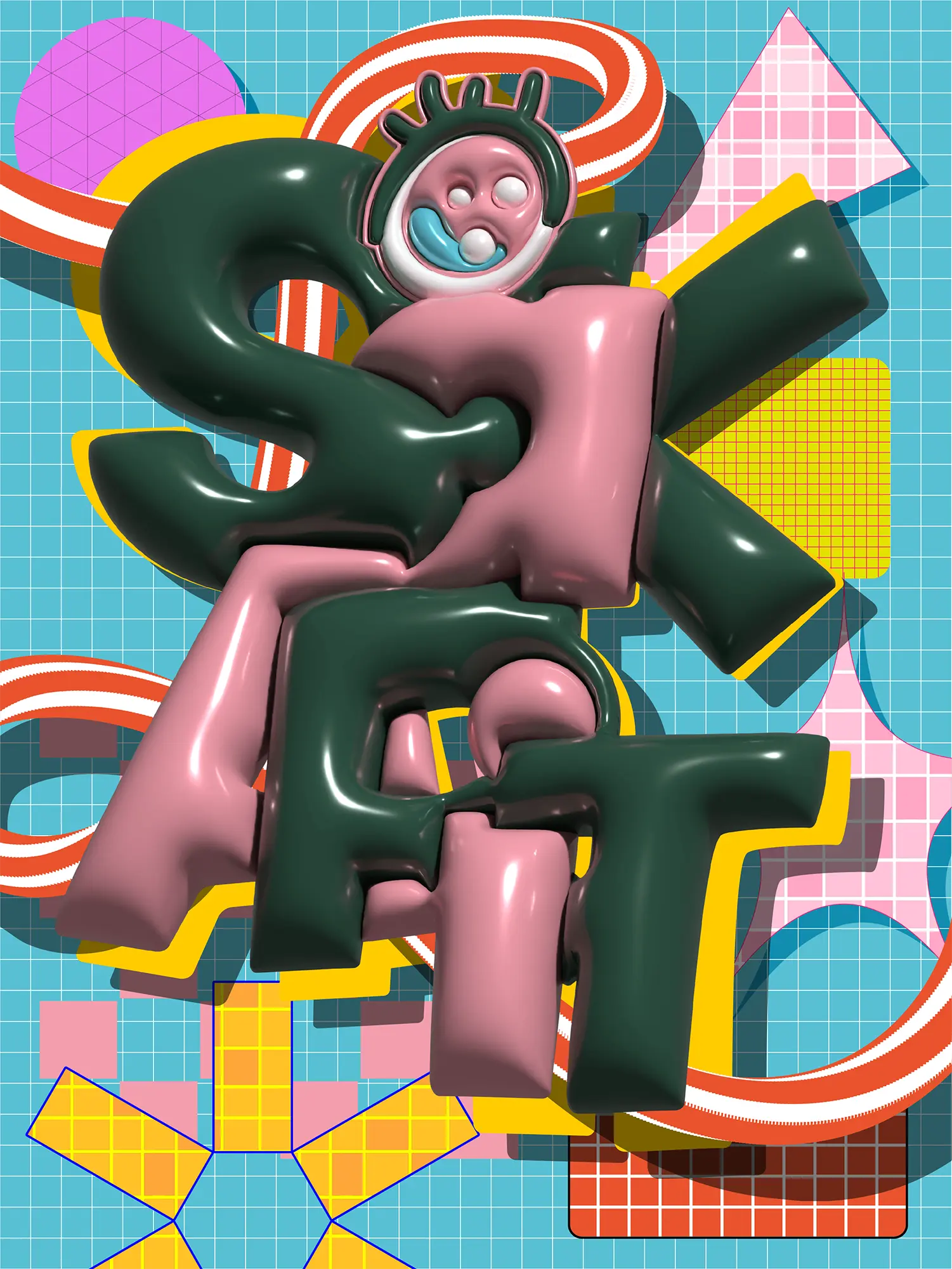
A vibrant 3D graphic poster design featuring glossy dark green and bubblegum pink inflated letters spelling "SAKARIT" layered over a blue grid pattern, yellow geometric shapes, striped candy-like swirls, and a quirky cartoon eye character peeking out at the top.
A vibrant, isometric 3D graphic poster design filled with rainbow-layered extruded icons and typography, featuring the word "KAWAII", Japanese hiragana text "かわいい", dancing stick figures, strawberries, sparkles, smiley faces, and heart motifs.
0:00
0:00