




OVERVIEW
Years ago I learned French language, arts, and literature, and also studied the culinary arts of traditional Thai cuisine. I planned to study French cuisine and pâtisserie, but unfortunately I have never had the chance to do so. So, this project is a great opportunity to learn some of the basic skills and practices of French cuisine by attempting to make some of the most complicated French dishes. French Culinary Arts requires not only the knowledge of how to cook, but also an understanding of botany, culinary foundations, food history, nutritional science, workflow management, and the art of plate presentation.

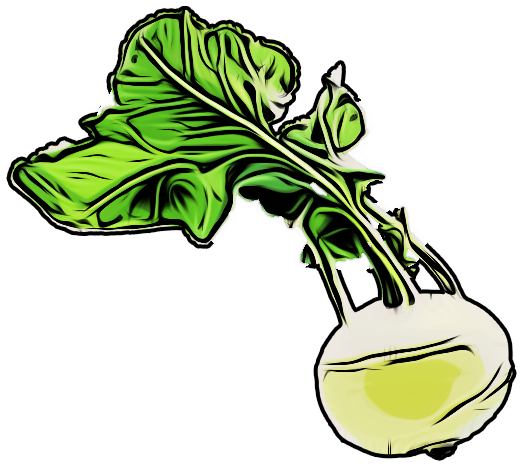
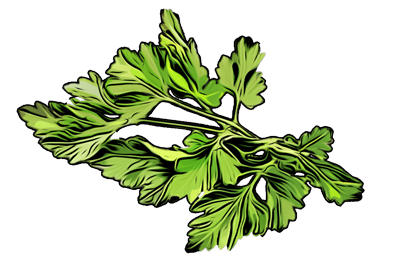
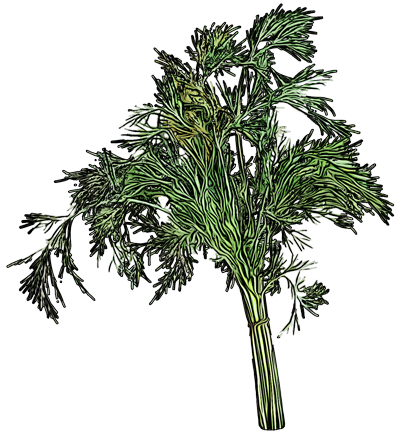
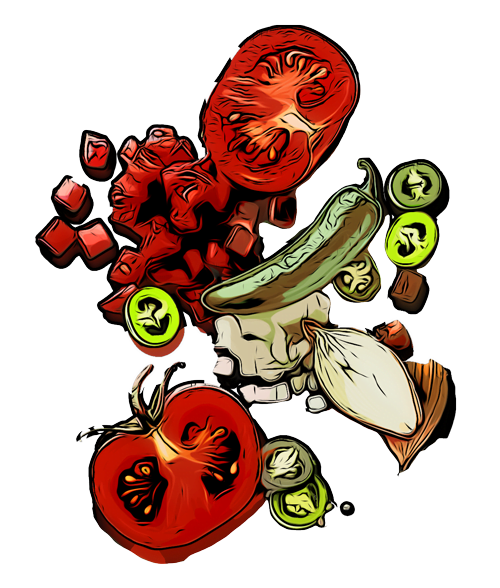
Photos from Traditional/Contemporary Thai Cuisine Class
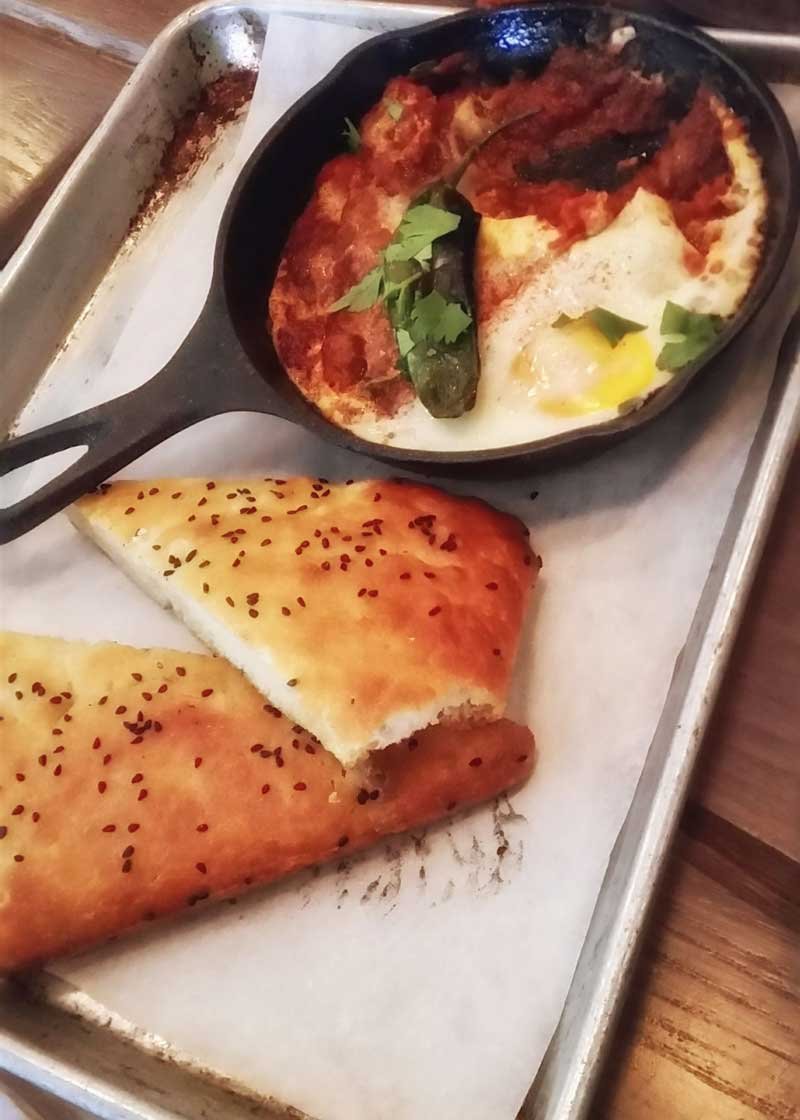


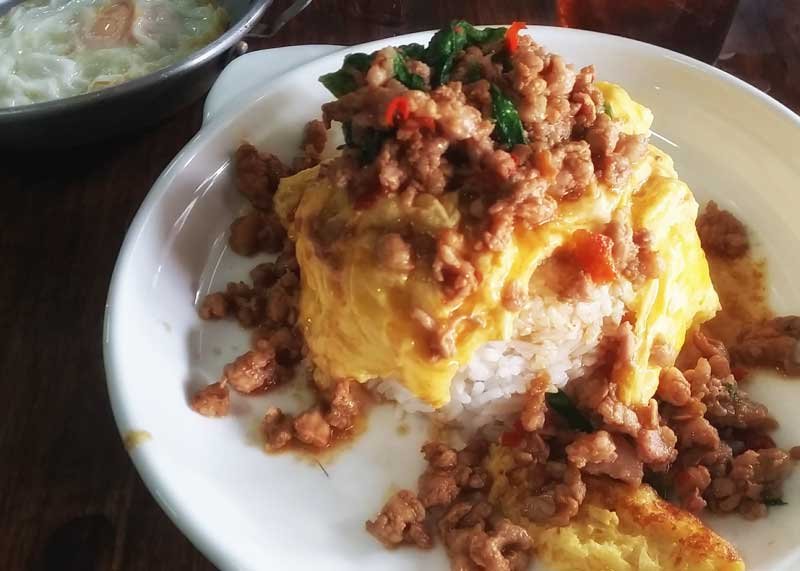


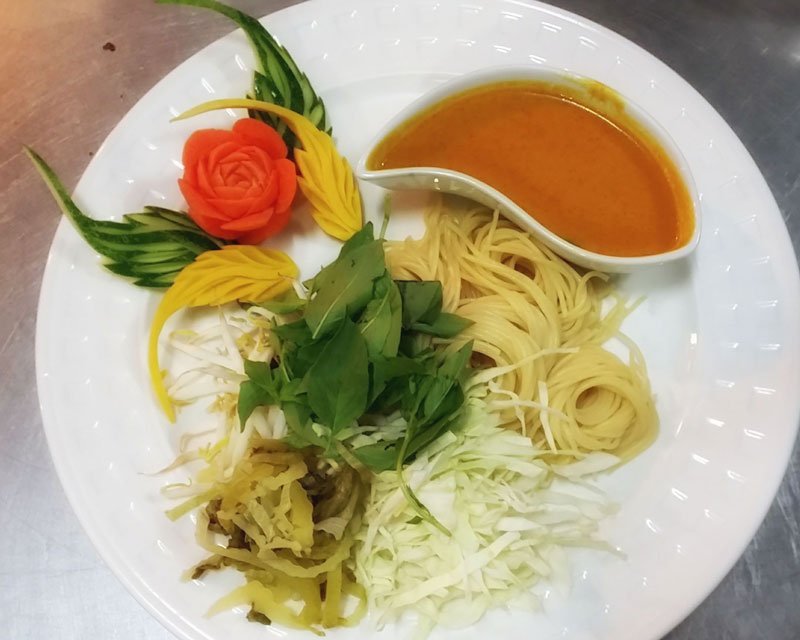


French Dishes
French cuisine includes different types of dishes that are essential parts of mainstream French culture. Some dishes have also been borrowed, adapted, and accepted as part of France’s food tradition, while others originate uniquely from regional cuisines, which are also sometimes seasonal. The following four categories are the most common in French cuisine, and they will be seen in most parts of France and in traditional French restaurants around the world:
Photo by Anima Visual
(Public Domain)
Photo by Victoria Shes
(Public Domain)
Photo by Chelsea Audibert
(Public Domain)
Photo by Sebastian Coman
(Public Domain)
Goals
FRAMING/REFRAMING
- Learn to cook seafood in French cuisine according to Julia Child’s guidelines and also adapting these dishes to my own taste
- Manage the unforeseen incidents that might happen while cooking
- Professionally cut, saw, chop, slice, mince, peel, and dice ingredients
- Learn different ways of cooking:
| Bake | Barbecue | Boil | Broil | Cook | Caramelize |
| Glaze | Gratin | Gril | Poach | Roast | Saute |
| Scramble | Steam | Stew | Simmer | StirF-Fry | Toast |
- Learn what is the best way to cook seafood in order to get the best taste and experience
- Learn how to prepare dough for pastry, using yeast, and how to control temperature when proofing and baking
- Learn what is the importance of selecting the right fresh seafood?
- Is there a political or economic history behind this recipe?
- Does the cut change the flavor?
- How does temperature and cooking time affect the food’s taste?
- Does seafood from different regions taste different?
- What spices go well with seafood? Why did local people use these herbs or spices? What if we adapt this cuisine by serving it with different spices and herbs. Does it change the taste?
- Why is it important to consider the freshness in selecting seafood for a dish? What are the systems (fishing, logistics, food distribution) that keep seafood fresh and make it available in a local market?
- Is eating seafood sustainable?
- How can French cuisine be cooked in another part of the world (Brooklyn) where some ingredients might not be available and where cooking space might be limited?
- How do Julia Childs’s recipes represent French cuisine? How can they be adapted to my local circumstances?
- How is French cuisine often photographed and presented in the media? How can I photograph this food myself? How does my approach to photographing this food affect its presentation?

©2021-2022 TIRAKAS/SAKARIT | Art and Design for All Possible Worlds