hors-d'œuvre – JOURNAL
French Cuisine Project
Synopsis
Medieval Stuffed Eggs
What I learned from researching these recipes is the cultural history of “French” food. One recipe was introduced by another “foreign” culture when some parts of France were once ruled by the Aragon Empire, based in Spain. The other recipe refers to a place that France ruled during its early colonial era, Louisiana, in what is now the US. So, the development of French cuisine was the result of many different interactions between different groups, in which France was sometimes the dominant power and sometimes dominated by another power. Today these recipes are prepared and enjoyed by many different people worldwide.
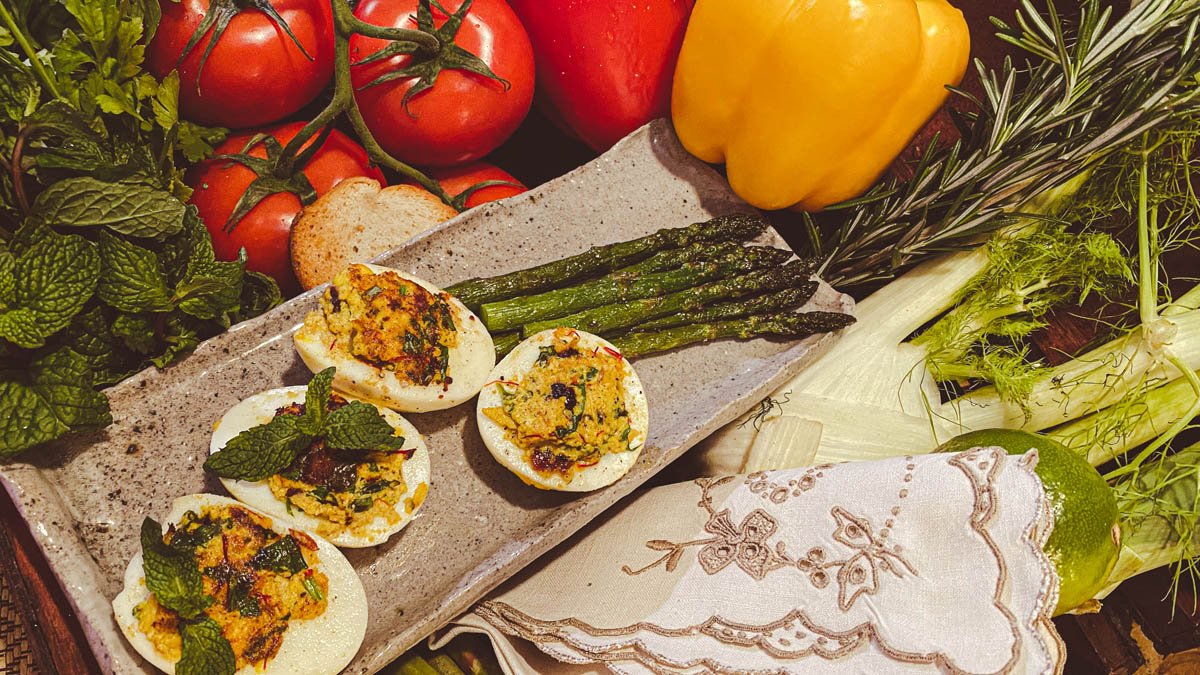
These stuffed eggs, sometimes called “deviled eggs” because they are stuffed with hot chilli peppers (which is often used as metaphor for the devil), are called “œufs mimosa” or “mimosa eggs” in France because they look like yellow mimosa flowers that bloom in the late winter and early spring, while another French name for them is “œufs s à la russe (France 3)” which means “russian eggs.” This simple dish might look like elaborate, jewelled “Fabergé” eggs that were originally made for Russian Tsars. It is possible that the original preparers of œufs s à la russe wanted this recipe to look like gems that are often associated with the aristocracy.
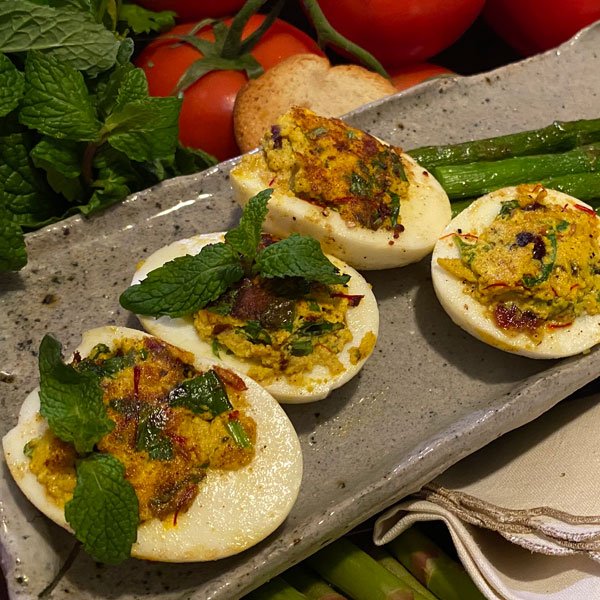
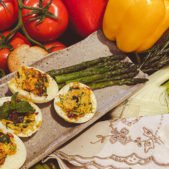
Originally, this recipe was first recorded during the era of the Crown of Aragon, the medieval thalassocratic empire that once dominated over the seas and ruled many parts of what is now eastern Span, southern France, Mediterranean islands and southern Italy in 14th and 15th centuries (Andrews). Because saffron spice, one of the important ingredients for deviled eggs, was rare and expensive, some prominent families could use this simple recipe that included this spice to display their glamorous lifestyle, elite social status, and access to products from international trade routes.
{
“elementType“: “geometry“,
“stylers“: `{`
{
“color“: “#f5f5f5“
}
`}`
},
{
“elementType“: “labels.icon“,
“stylers“: `{`
{
“visibility“: “off“
}
`}`
},
{
“elementType“: “labels.text.fill“,
“stylers“: `{`
{
“color“: “#616161“
}
`}`
},
{
“elementType“: “labels.text.stroke“,
“stylers“: `{`
{
“color“: “#f5f5f5“
}
`}`
},
{
“featureType“: “administrative“,
“elementType“: “geometry“,
“stylers“: `{`
{
“visibility“: “off“
}
`}`
},
{
“featureType“: “administrative.land_parcel“,
“elementType“: “labels“,
“stylers“: `{`
{
“visibility“: “off“
}
`}`
},
{
“featureType“: “administrative.land_parcel“,
“elementType“: “labels.text.fill“,
“stylers“: `{`
{
“color“: “#bdbdbd“
}
`}`
},
{
“featureType“: “poi“,
“stylers“: `{`
{
“visibility“: “off“
}
`}`
},
{
“featureType“: “poi“,
“elementType“: “geometry“,
“stylers“: `{`
{
“color“: “#eeeeee“
}
`}`
},
{
“featureType“: “poi“,
“elementType“: “labels.text“,
“stylers“: `{`
{
“visibility“: “off“
}
`}`
},
{
“featureType“: “poi“,
“elementType“: “labels.text.fill“,
“stylers“: `{`
{
“color“: “#757575“
}
`}`
},
{
“featureType“: “poi.park“,
“elementType“: “geometry“,
“stylers“: `{`
{
“color“: “#e5e5e5“
}
`}`
},
{
“featureType“: “poi.park“,
“elementType“: “labels.text.fill“,
“stylers“: `{`
{
“color“: “#9e9e9e“
}
`}`
},
{
“featureType“: “road“,
“elementType“: “geometry“,
“stylers“: `{`
{
“color“: “#ffffff“
}
`}`
},
{
“featureType“: “road“,
“elementType“: “labels.icon“,
“stylers“: `{`
{
“visibility“: “off“
}
`}`
},
{
“featureType“: “road.arterial“,
“elementType“: “labels“,
“stylers“: `{`
{
“visibility“: “off“
}
`}`
},
{
“featureType“: “road.arterial“,
“elementType“: “labels.text.fill“,
“stylers“: `{`
{
“color“: “#757575“
}
`}`
},
{
“featureType“: “road.highway“,
“elementType“: “geometry“,
“stylers“: `{`
{
“color“: “#dadada“
}
`}`
},
{
“featureType“: “road.highway“,
“elementType“: “labels“,
“stylers“: `{`
{
“visibility“: “off“
}
`}`
},
{
“featureType“: “road.highway“,
“elementType“: “labels.text.fill“,
“stylers“: `{`
{
“color“: “#616161“
}
`}`
},
{
“featureType“: “road.local“,
“stylers“: `{`
{
“visibility“: “off“
}
`}`
},
{
“featureType“: “road.local“,
“elementType“: “labels“,
“stylers“: `{`
{
“visibility“: “off“
}
`}`
},
{
“featureType“: “road.local“,
“elementType“: “labels.text.fill“,
“stylers“: `{`
{
“color“: “#9e9e9e“
}
`}`
},
{
“featureType“: “transit“,
“stylers“: `{`
{
“visibility“: “off“
}
`}`
},
{
“featureType“: “transit.line“,
“elementType“: “geometry“,
“stylers“: `{`
{
“color“: “#e5e5e5“
}
`}`
},
{
“featureType“: “transit.station“,
“elementType“: “geometry“,
“stylers“: `{`
{
“color“: “#eeeeee“
}
`}`
},
{
“featureType“: “water“,
“elementType“: “geometry“,
“stylers“: `{`
{
“color“: “#c9c9c9“
},
{
“saturation“: 100
}
`}`
},
{
“featureType“: “water“,
“elementType“: “geometry.fill“,
“stylers“: `{`
{
“color“: “#0bddf9“
}
`}`
},
{
“featureType“: “water“,
“elementType“: “labels.text.fill“,
“stylers“: `{`
{
“color“: “#9e9e9e“
}
`}`
}
`}`” zoom=”4″]
When meat and poultry was considered to be a lavish dish that many poor people and peasants rarely could enjoy, this recipe was possibly the best choice available. They could replace expensive saffron with other spices. Additionally, during the war times it might be easy to carry deviled eggs anywhere because they are not very hard to cook and do not require fancy preparation methods.
The taste of this recipe is very rich because of the sweetness from saffron and the sourness from dried cranberries. Parsley and mint also help bring the aroma to the next level. It looks so simple, but its taste is quite sophisticated.
This recipe can be found in this book
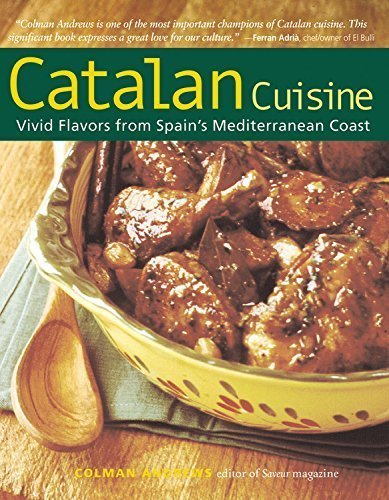
Andrews, Colman. “Catalan Cusine.” Catalan Cuisine: Vivid Flavours from Spain’s Mediterranean Coast, Harvard Common, Boston, MA, 2012, p. 14.
What is Saffron?
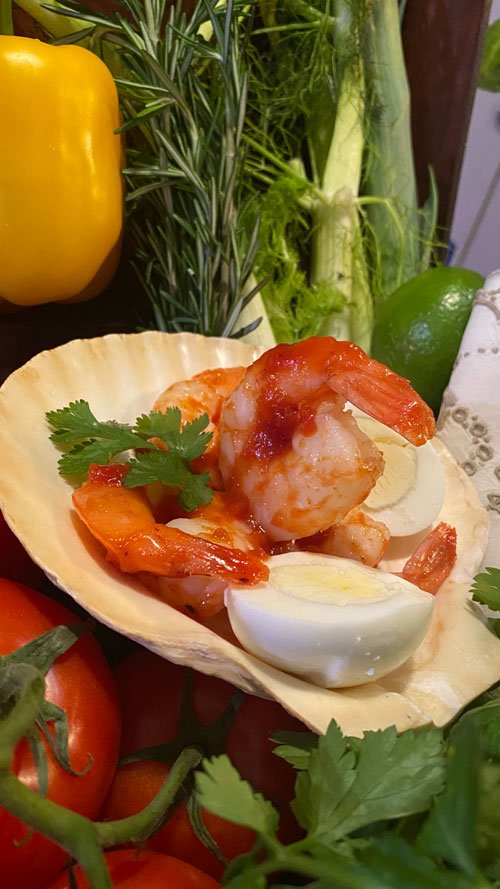
Shrimps in Tomato Catsup
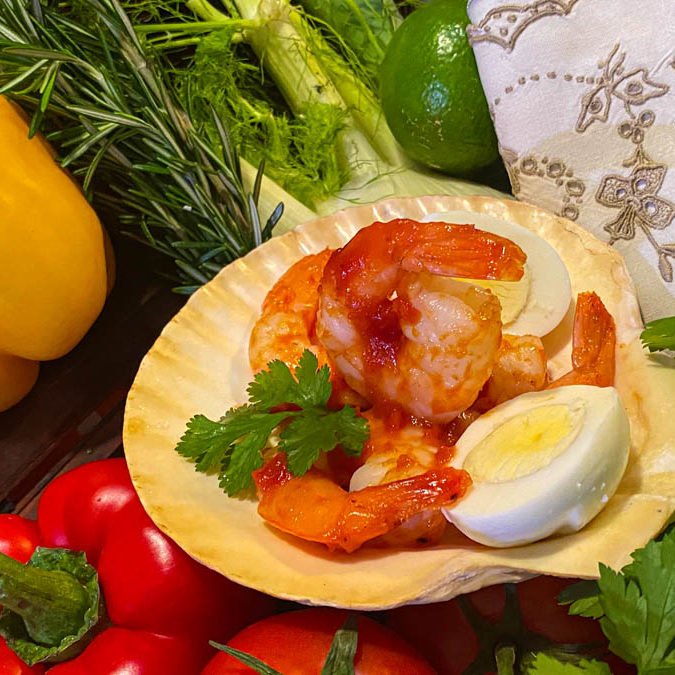
(Crevettes à la Sauce Tomates)
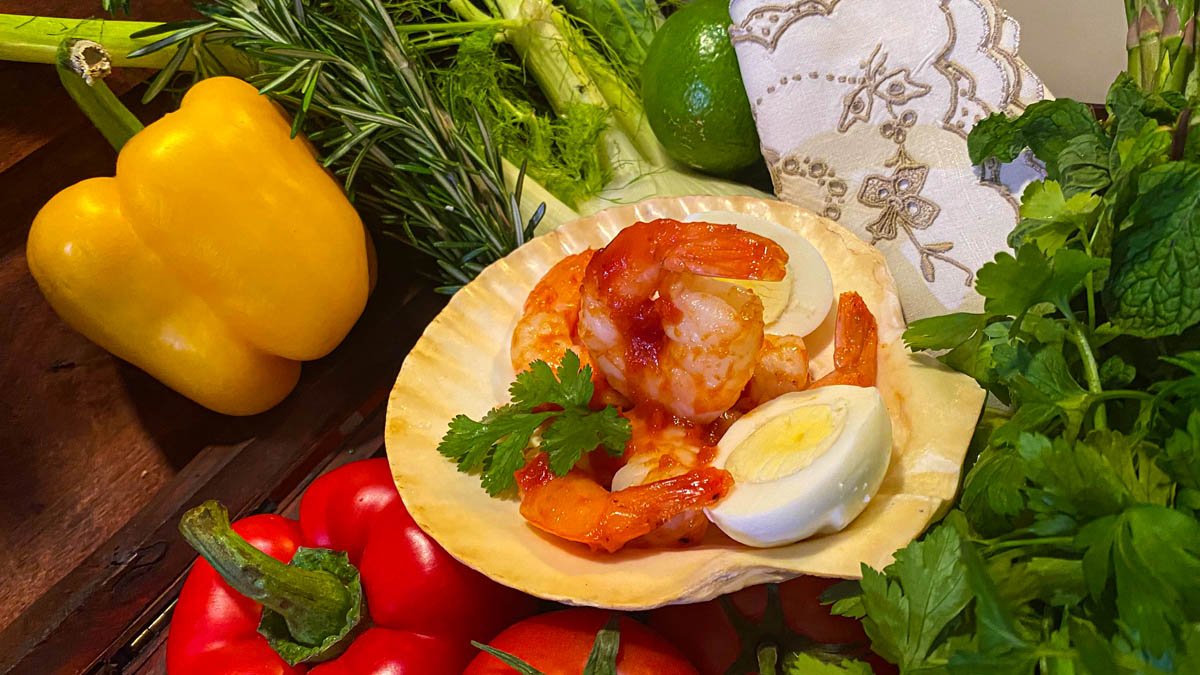
During its early colonial era, France controlled Louisiana from the late 16th century to the early 19th century. Many recipes of “haute” or “high level” French cuisine were introduced by French settlers. Since the Creole culture of the region was a combination of European, African, and Native American influences, Creoles cuisine adapted many dishes to create a New Orleans cuisine with Caribbean roots by using a local spice: cayenne peppers. Cayenne plants are warm-weather chili plants that thrive in the tropical environments of Southeast Asia and South America, and some claim that it originated in French Guiana (Britannica).
This recipe was first published by Dover in 1901. Geographically, Louisiana’s shore extends along the Gulf of Mexico, so seafood is abundant there. This early recipe is not very difficult to cook. Any family can make it in no time if they have easy access to shrimp.
{
“elementType“: “geometry“,
“stylers“: `{`
{
“color“: “#f5f5f5“
}
`}`
},
{
“elementType“: “labels.icon“,
“stylers“: `{`
{
“visibility“: “off“
}
`}`
},
{
“elementType“: “labels.text.fill“,
“stylers“: `{`
{
“color“: “#616161“
}
`}`
},
{
“elementType“: “labels.text.stroke“,
“stylers“: `{`
{
“color“: “#f5f5f5“
}
`}`
},
{
“featureType“: “administrative“,
“elementType“: “geometry“,
“stylers“: `{`
{
“visibility“: “off“
}
`}`
},
{
“featureType“: “administrative.land_parcel“,
“elementType“: “labels“,
“stylers“: `{`
{
“visibility“: “off“
}
`}`
},
{
“featureType“: “administrative.land_parcel“,
“elementType“: “labels.text.fill“,
“stylers“: `{`
{
“color“: “#bdbdbd“
}
`}`
},
{
“featureType“: “poi“,
“stylers“: `{`
{
“visibility“: “off“
}
`}`
},
{
“featureType“: “poi“,
“elementType“: “geometry“,
“stylers“: `{`
{
“color“: “#eeeeee“
}
`}`
},
{
“featureType“: “poi“,
“elementType“: “labels.text“,
“stylers“: `{`
{
“visibility“: “off“
}
`}`
},
{
“featureType“: “poi“,
“elementType“: “labels.text.fill“,
“stylers“: `{`
{
“color“: “#757575“
}
`}`
},
{
“featureType“: “poi.park“,
“elementType“: “geometry“,
“stylers“: `{`
{
“color“: “#e5e5e5“
}
`}`
},
{
“featureType“: “poi.park“,
“elementType“: “labels.text.fill“,
“stylers“: `{`
{
“color“: “#9e9e9e“
}
`}`
},
{
“featureType“: “road“,
“elementType“: “geometry“,
“stylers“: `{`
{
“color“: “#ffffff“
}
`}`
},
{
“featureType“: “road“,
“elementType“: “labels.icon“,
“stylers“: `{`
{
“visibility“: “off“
}
`}`
},
{
“featureType“: “road.arterial“,
“elementType“: “labels“,
“stylers“: `{`
{
“visibility“: “off“
}
`}`
},
{
“featureType“: “road.arterial“,
“elementType“: “labels.text.fill“,
“stylers“: `{`
{
“color“: “#757575“
}
`}`
},
{
“featureType“: “road.highway“,
“elementType“: “geometry“,
“stylers“: `{`
{
“color“: “#ff0000“
}
`}`
},
{
“featureType“: “road.highway“,
“elementType“: “labels“,
“stylers“: `{`
{
“visibility“: “off“
}
`}`
},
{
“featureType“: “road.highway“,
“elementType“: “labels.text.fill“,
“stylers“: `{`
{
“color“: “#616161“
}
`}`
},
{
“featureType“: “road.local“,
“stylers“: `{`
{
“visibility“: “off“
}
`}`
},
{
“featureType“: “road.local“,
“elementType“: “labels“,
“stylers“: `{`
{
“visibility“: “off“
}
`}`
},
{
“featureType“: “road.local“,
“elementType“: “labels.text.fill“,
“stylers“: `{`
{
“color“: “#9e9e9e“
}
`}`
},
{
“featureType“: “transit“,
“stylers“: `{`
{
“visibility“: “off“
}
`}`
},
{
“featureType“: “transit.line“,
“elementType“: “geometry“,
“stylers“: `{`
{
“color“: “#e5e5e5“
}
`}`
},
{
“featureType“: “transit.station“,
“elementType“: “geometry“,
“stylers“: `{`
{
“color“: “#eeeeee“
}
`}`
},
{
“featureType“: “water“,
“elementType“: “geometry“,
“stylers“: `{`
{
“color“: “#c9c9c9“
},
{
“saturation“: 100
}
`}`
},
{
“featureType“: “water“,
“elementType“: “geometry.fill“,
“stylers“: `{`
{
“color“: “#e85e2c“
}
`}`
},
{
“featureType“: “water“,
“elementType“: “labels.text.fill“,
“stylers“: `{`
{
“color“: “#9e9e9e“
}
`}`
}
`}`” zoom=”4″]
Conclusion
I learned that exploring the backgrounds of some simple food could reveal something fascinating but disturbing to me. Some recipes have been shared and developed around the globe since humans built ships for expanding their power and knowing how to trade with others. Food thus seems to always be associated with politics and power, and it is not just a source of nutrients and energy for us. Even though our livestock systems, food trade routes, and agricultural methods have greatly developed for many millennia, powerful elites in any era always seem to have the best access to very fine and exclusive ingredients. Today, they also control genetic modification, food distribution, agricultural industrialization, and various rules and regulations that affect the food system. Furthermore, the fine line between the authenticity and tradition of food has always been blurred, because we have exchanged and developed our cuisines throughout our history through cultural exchange.
For powerless people today, their “authentic” recipe might look similar to the “original” version, but the taste might now be different due to a lack of specific ingredients. For them a dish might feel both “original” and “authentic” because they cook it. Nevertheless, it is important to remember that it took hundreds of years for tomatoes to become part of the pizza that we enjoy today. Even if the Romans never had it because “they didn’t have tomatoes.” says Professor Mary Beard from the Faculty of Classics, University of Cambridge.
The shrimps that we use in our dishes today might evolve in the future or go extinct, so our recipes will change. It’s a butterfly effect: if one plant or animal disappears, many recipes that rely on that special ingredient will be replaced with new ones that rely on different ingredients. This could lead to recipes not being singular, but can give us many different kinds of “authenticity.” The question is who is the best to define and describe “authenticity,” if it is not the most powerful members of our society.
Source
“Oeufs à la russe – Les recettes de François”. France 3 (in French). Archived from the original on June 5, 2010. Retrieved Nov 28, 2021.
Andrews, Colman. “Catalan Cusine.” Catalan Cuisine: Vivid Flavours from Spain’s Mediterranean Coast, Harvard Common, Boston, MA, 2012, p. 14.
Scully, Terence Peter. “IV. Translation of the Recipes.” Neapolitan Recipe Collection: Cuoco Napoletano, Univ Of Michigan Press, 2015, p. 199.
Unabridged Dover. The Picayune’s Creole Cook Book, Dover Publications, Inc., New York, 1971, p. 67.
“Cayenne Pepper.” Edited by The Editors of Encyclopaedia Britannica and Melissa Petruzzello, Encyclopædia Britannica, Encyclopædia Britannica, Inc., 17 July 2015, https://www.britannica.com/plant/cayenne-pepper.
“Empire Without Limit.” Mary Beard’s Ultimate Rome, season 1, episode 1, BBC, 2016