

BOUILLABAISSE – JOURNAl
Synopsis
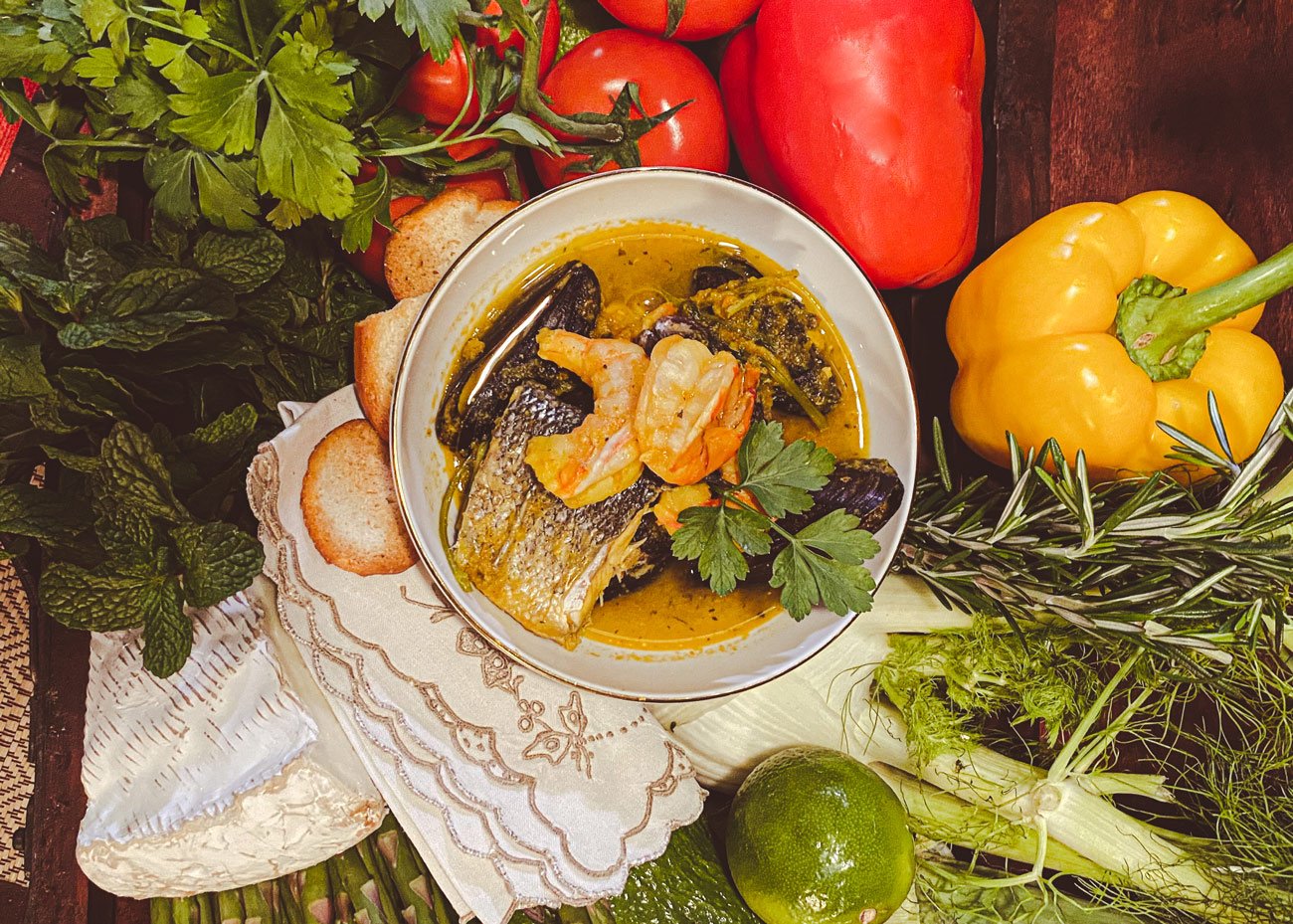
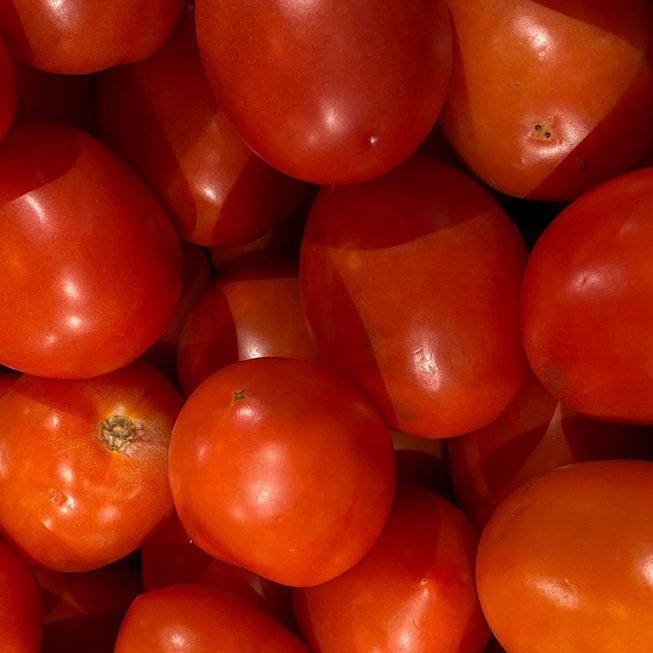
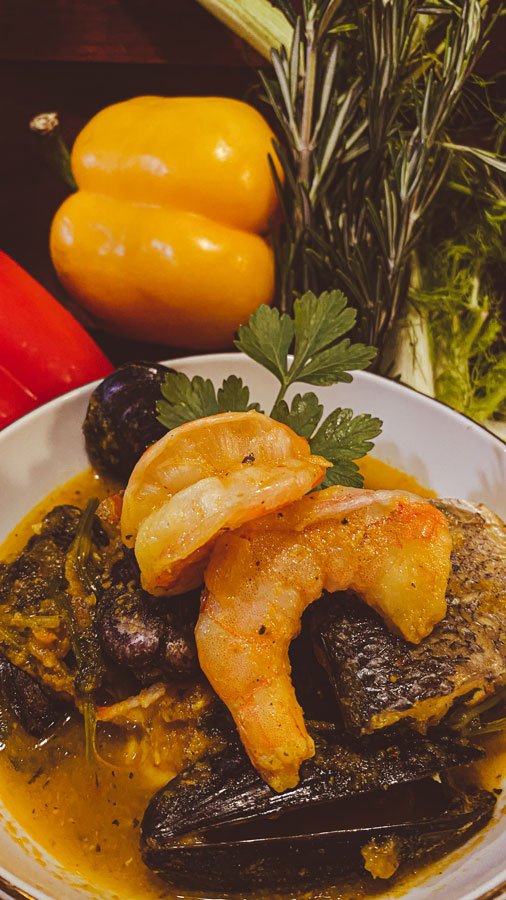
Bouillabaisse is a famous and complex Provençal fish soup commonly served in Southern France. It is often cooked with a variety of shellfish, mostly crustaceans, and a tomato base. It originates from Marseille (Purvis), a port city on the Mediterranean coast in the south of France. For centuries, many merchants, traders, adventurers, and missionaries traveling across Africa, Europe, and Mediterranean stopped at Marseille for shelter and to conduct business because it was “one of the ancient world’s great trading centers,” according to professor Andy Purvis at the Natural History Museum. This recipe was invented by a sailor who worked on fishery boats. Fishermen tried to sell all of their best fish, and any fish with big bones and shells, such as rockfish, shellfish, and crustaceans, were left over (Beardsley). So, people in the region learned to cook this stew with what was left over. Interestingly, lobsters were used to feed poor people and prisoners at the time, and were not considered delicacies, as they are today (Business Insider).
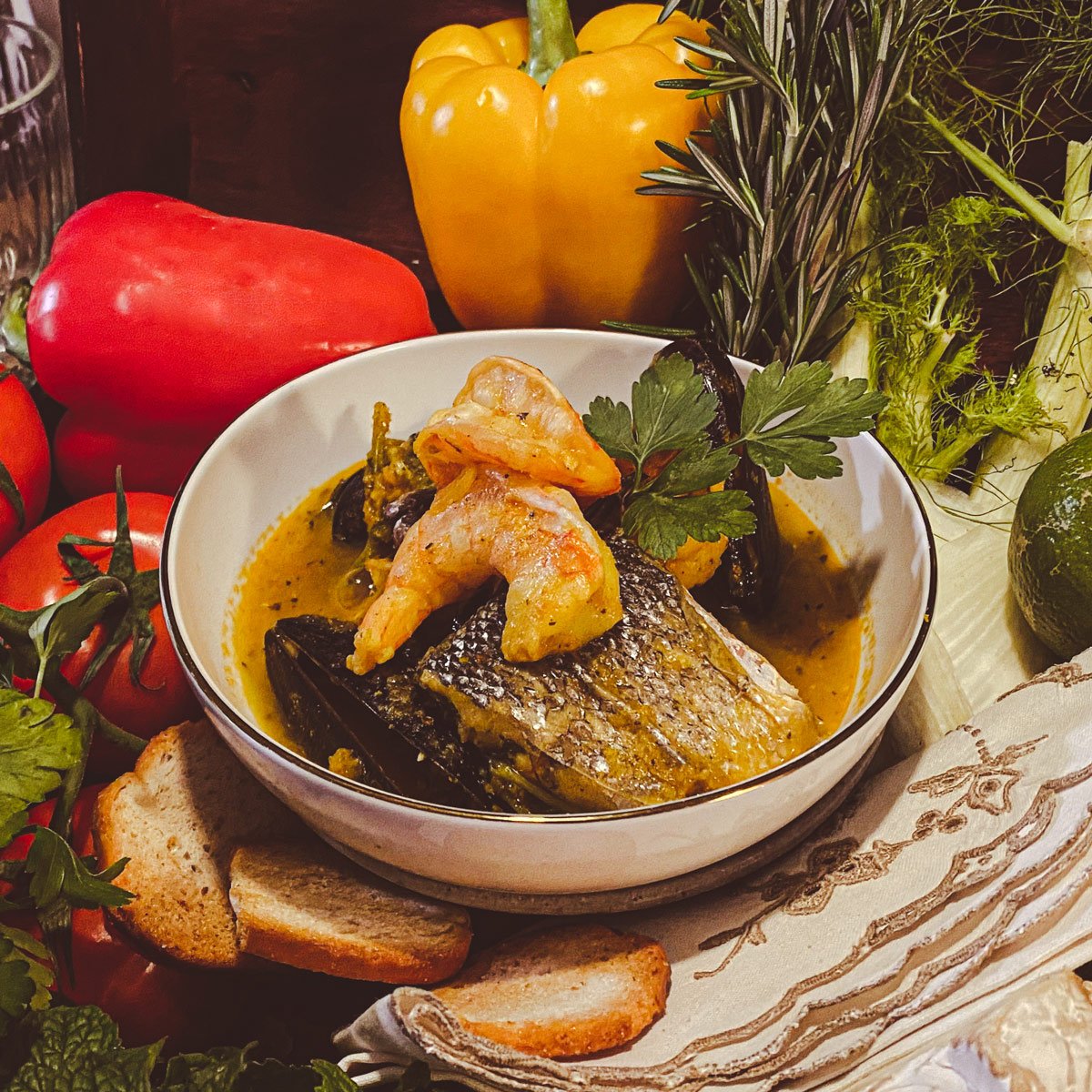
The key to making this stew successfully is to not only use fish bones and shells from shellfish for the broth. The “umami” taste, or “essence of deliciousness,” is also from saffron stigmas. The spice saffron was cultivated in Iran for millenia (National Geographic), and has been shared and traded in Europe since then. Julia Child has made Bouillabaisse famous through her best-selling 1961 cookbook, “Mastering the Art of French Cooking” and her TV cooking show in the 1950s (Purvis).
Skill Challenge
Learning how to cook seafood in French cuisine according to Julia Child’s guidelines and also adapting these dishes to my own taste.
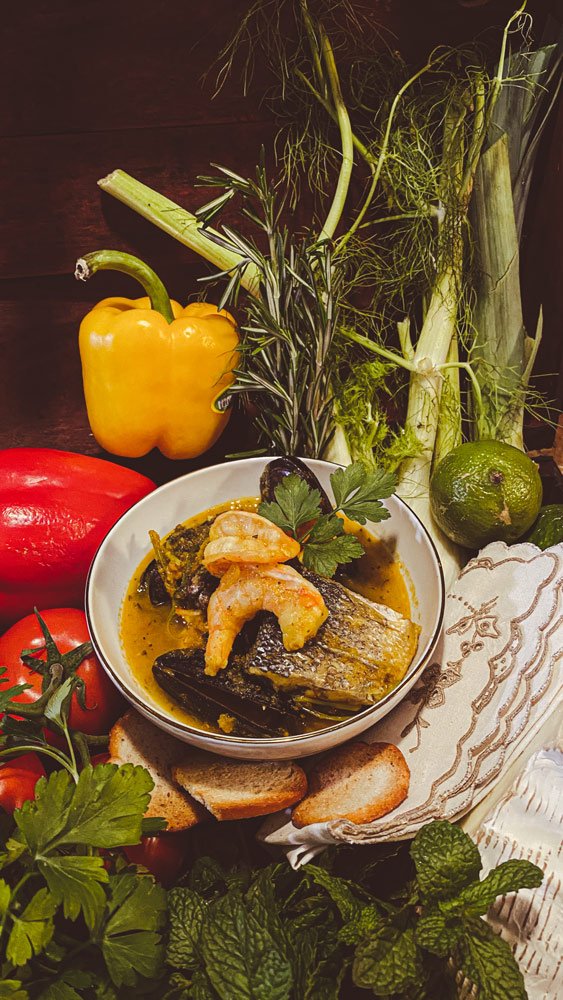
According to Child’s recipe, she suggested that the best way to cook Bouillabaisse is to use sea fish such as cod, snapper, haddock or grouper but I haven’t found one near my neighborhood instead of the Spanish Branzino, a white ocean fish that lives in the Mediterranean sea.
I’m not an expert in ocean fish but the taste of Branzino is quite sweet after cooking. Despite there’re many bones, Its flesh and texture is quite soft, intensive, and rich in protein fiber. We don’t need to remove the fish scales because it’s already soft. To cook in the restaurant, a chef has to remove all the bones.
I learned that different mussels from different locations have unique taste. I bought this one from a grocery store nearby. They were harvested from the great south bay. These mussels are medium size. It’s so fresh that you can literally smell the ocean.

Frame the Skill Challenge
Learn what is the best way to cook seafood in order to get the best taste and experience?
I learned that the best way to cook seafood is by steaming and grilling with specific charcoal like oak, but for this recipe all of the seafood had to be stewed for 10-20 minutes.
For fish soup or stew, grilling fish with charcoal first will give the best aroma to the soup. Unfortunately, I couldn’t grill seafood with charcoal in my apartment, so I don’t really know what the best aroma smells like.

Photo by Ali Abdul Rahman on Unsplash
Define the Impact
Learn the importance of choosing fresh seafood?
This skill might take years to fully develop. The key to purchasing seafood is finding the fresh specimens, which is a skill that not only involves looking but also requires a good sense of smell and knowledge of ichthyology. To learn to differentiate the freshness of seafood might also take some time, because seafood from different places is not the same. Sources of food, climate, and ecosystems are all very important for marine animals.
Is there any political and economical reason behind this recipe?
Shellfish or Crustaceans such as lobsters, shrimps, and mussels used to be served to poor people, but they now symbolized a lavish lifestyle. The cost of saffron stigmas is similar to that of shrimp. Saffron is still one of the most expensive spices in the world.
Possible Solutions
Does the cut change the flavor?
The cut does give a different flavor. Cutting the fish to be able to absorb the soup is not easy. Each fish has a different texture and fishscale. A very sharp knife gives the best cut, and does not damage the flesh. Some Michelin chefs use bespoke knives that help them cut seafood with ease with only one cut.
How does temperature and cooking time affect food taste?
Stew is slow-cooking, and needs low temperature to help preserve minerals and vitamins that would degrade under higher temperatures. It also helps all the herbs and spices to develop the right chemical bonds inside the pot so that everything is mixed perfectly.
Do seafood from different regions or places taste different?
Yes, they do. A fish’s ecosystem does affect its health and delicacy. In a healthy ecosystem, edible marine life tastes better than seafood from exploited environments.
Contexts and Constraints
Is eating seafood sustainable?
As long as seafood is locally-sourced ,manually-caught, and only specific species, and as long as we have agreements between biologists, environmentalists, scientists, activists, local communities and international laws and regulations, it will be absolutely sustainable.
Learn what is the best way to cook seafood in order to get the best experience?
The best way to cook seafood is to keep on cooking. There is no standard set of rules for cooking. The most successful chefs and experienced cooks spend most of their time in the kitchen memorizing the smells, burning their hands, slicing their arms, making mistakes, and experimenting with new ideas every day. So, studying never ends.
What spices go well with seafood? Why did local people use these herbs or spices? What if we cooked or served with different spices and herbs, would it change the taste?
For millennia, humans have known the chemical bonds that can be created between vegetables, meat, seafood, and spices when they cook and mix these ingredients together, and this mixing process gives humans some of their best experiences of food. One of our greatest inventions is cooking. We know how to use spices because it helps balance the imperfections of a dish. Furthermore, some local people use specific herbs and spices because these are the plants that are native to their area.
Conclusion
Learn Why is it important to consider the freshness in selecting seafood for a dish?
Selecting the freshest seafood is similar to finding the right art supplies for artists. It depends a bit on someone’s unique characteristics and requirements. Artists and cooks also need tools and equipment to manipulate that medium that they chose. Some cheap products can make something greater than expensive ones. The final outcome is personal. While their product may fail when their standards are not synchronised, it will be perfect when the viewers and the makers share the same ideas, memories, and experiences through the art and the food. It’s sublime because the components have bonded in a unique and powerful way.
Source
Purvis, A., and K. Brooks. “Marselle’s Ethnic Bouillabaisse.” Smithsonian, vol. 38, no. 9, pp. 86–93. EBSCOhost, search-ebscohost-com.ezproxy.pratt.edu/login.aspx?direct=true&db=edselc&AN=edselc.2-52.0-67650517789&site=eds-live&scope=site. Accessed 20 Nov. 2021.
Beardsley, Eleanor. “Bouillabaisse: From Humble Beginnings to High-Class Tourist Meal.” NPR, NPR, 29 Sept. 2012, https://www.npr.org/sections/thesalt/2012/09/29/161968359/bouillabaisse-from-humble-beginnings-to-high-class-tourist-meal#:~:text=The%20southern%20French%20city%20of,for%20a%20generously%20sized%20meal.
“Why Lobster Is So Expensive | So Expensive” Youtube, uploaded by Business Insider, 6 Jul, 2019, https://www.youtube.com/watch?v=6gr_gMSF0c0&t=106s. Accessed 20 Nov. 2021.
“This is the World’s Most Expensive Spice” Youtube, uploaded by National Geographic, 7 May, 2017, https://www.youtube.com/watch?v=qfUrLteNu8E. Accessed 21 Nov. 2021.


