- Sakarit Gunkhan (Chankaew) is a Brooklyn-based Graphic/Web Designer & Visual/Concept Artist

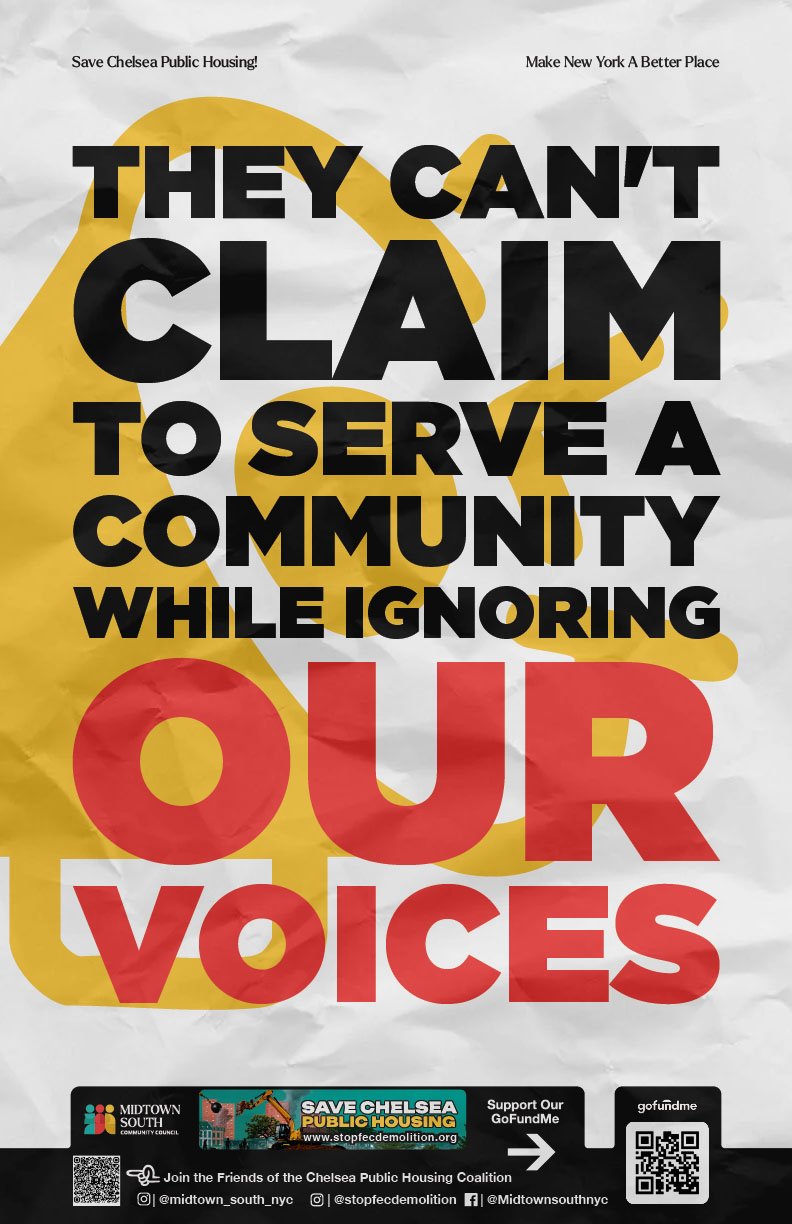
Provided multidisciplinary design support to community councils by transforming complicated legal terms and housing policies into accessible visual assets, such as motion graphics, social campaigns, merchandise, and protest collateral, that empower justice-driven audiences.
Brand Strategy, Campaigns, Merch
Art Direction, Merch
Midtown South Community Council
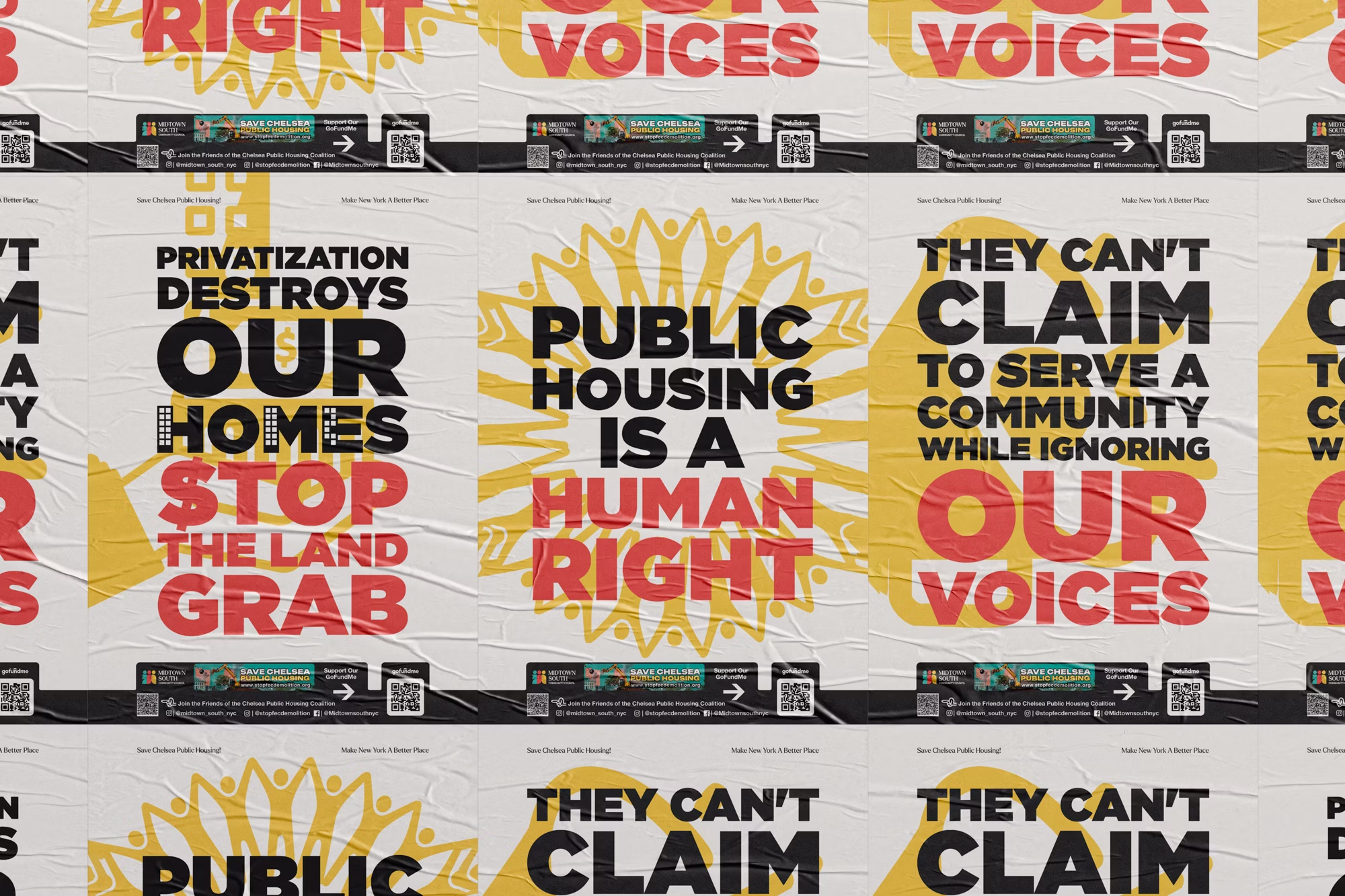
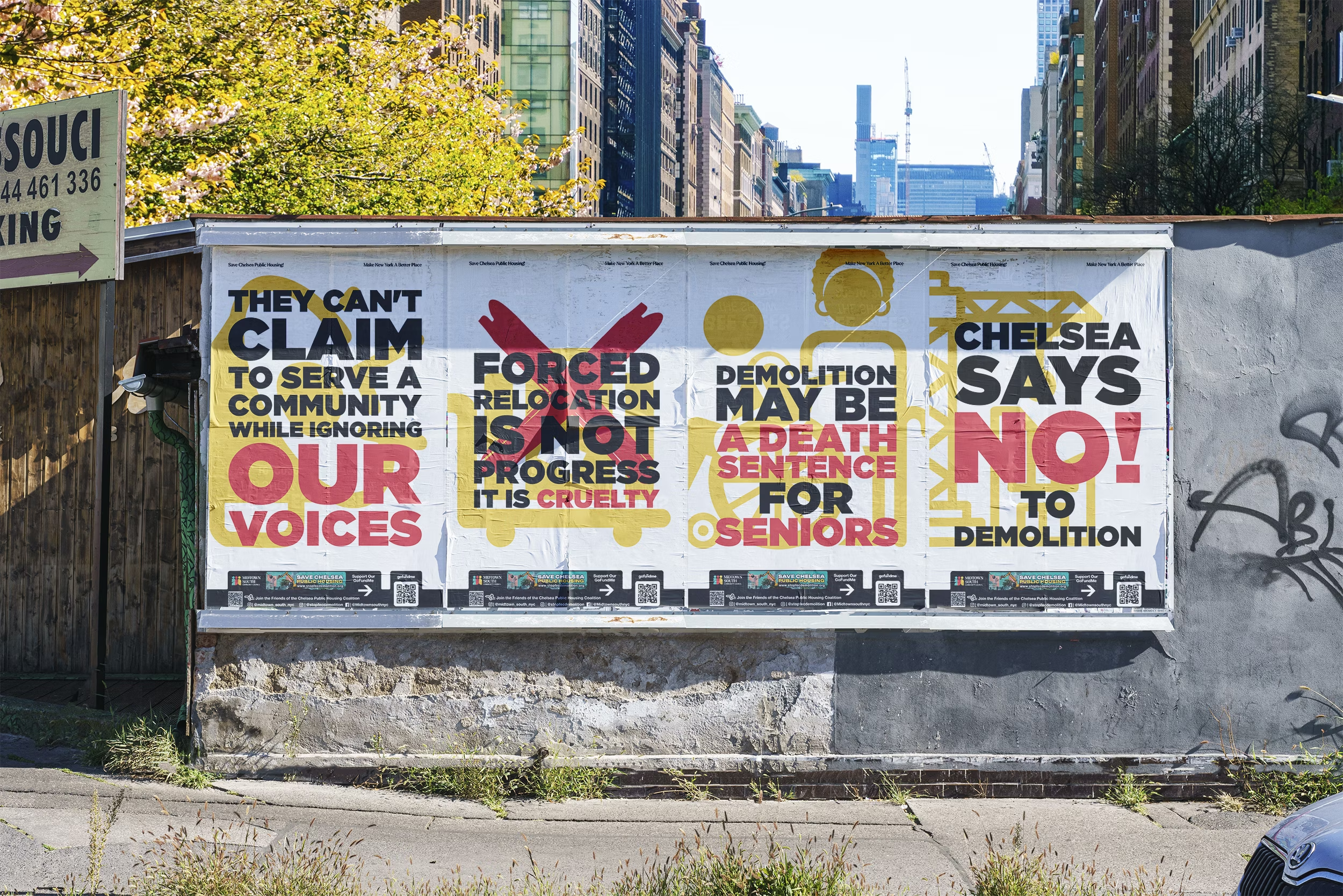
Every great movement needs a clear visual voice. I collaborate with community councils, members, local activists, and tenants to translate complex housing issues into authentic, human-centered narratives. By pairing sharp, minimal aesthetics with “shout-worthy” typography and high-contrast color palettes, I help amplify the voices of tenants facing displacement. The result is a unified visual system—spanning print, digital, and apparel—that turns invisible systemic struggle into a powerful, impossible-to-ignore call for justice.

These campaigns lean into huge symbols and ideograms because they make complicated political messaging and struggles easier to read at a glance, no matter who’s looking.
And instead of sticking to typical brand guidelines, we push things toward an activist vibe, bold type, high‑energy color contrast, and big symbolic graphics that turn the campaign into a loud, public statement.


Midtown South Community Council (MSCC), founded in 1986, works to improve quality of life in Midtown Manhattan. They focus on combating the root causes of poverty such as health, hunger, and housing, rather than relying on policing. MSCC highlights how commercial overdevelopment, especially hotels, shopping malls, and complex facilities displace housing and fuels homelessness, advocating for policies that prioritize community stability over profit.
Collaborate with founders, directors, artists, and design teams to create visual assets: collages, ideograms, posters, motion graphics, flyers, and social media content.
Plan to amplify cultural, social, and environmental justice messaging through strategic visual storytelling.
Contribute to rebranding, digital archiving, and website planning to enhance online engagement.
Support grassroots advocacy through accessible, mission-driven design.
Develop a merch line to promote MSCC’s initiatives and raise funds for urgent and future causes.
Collaborate with founders, directors, artists, and design teams to create visual assets: collages, logos, posters, motion graphics, flyers, and social media content.
Contribute to rebranding, digital archiving, and website planning to enhance online engagement.
Support grassroots advocacy through accessible, mission-driven design.
Develop a merch line to promote MSCC’s initiatives and raise funds for urgent and future causes.
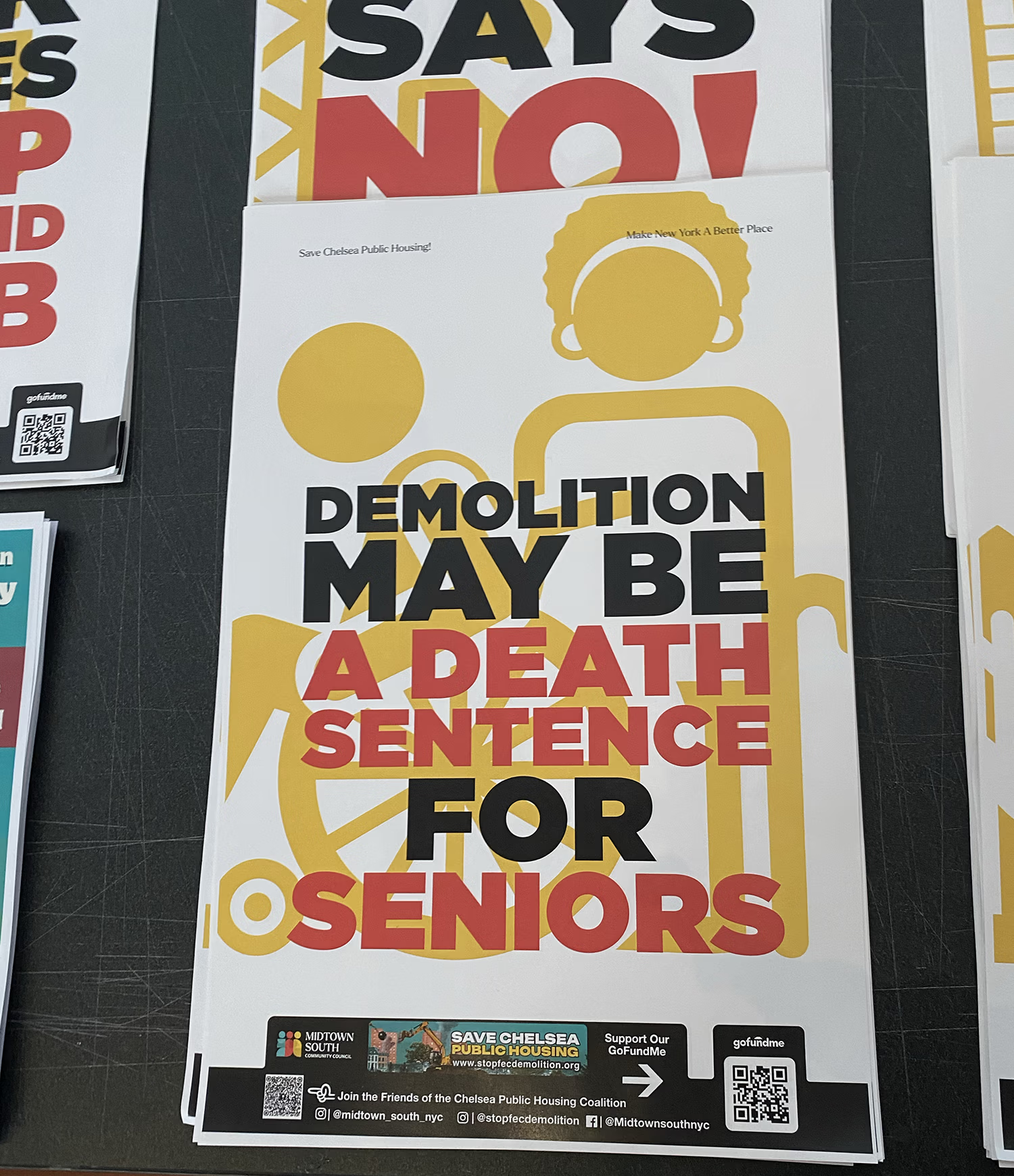
Ideograms & Pictograms act as a universal language. By using simple shapes and a bold color palettes, I turn urgent demands into ‘instant information.’ I avoid complex forms and figures, using only minimal geometry to convey the humanity of our elders and the scale of the struggle. This visual shorthand strips away the noise, ensuring that clear, powerful messages reach everyone, instantly.


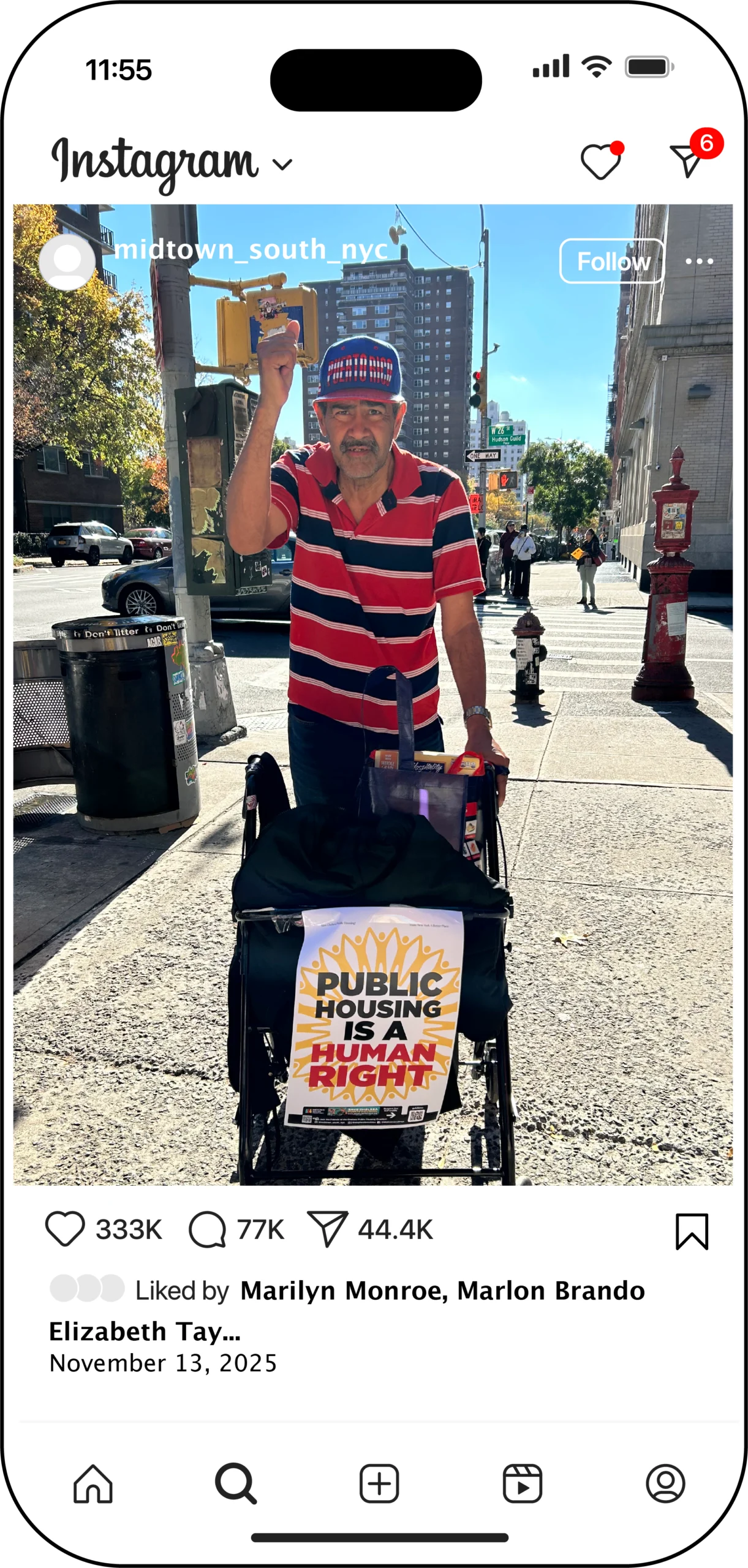
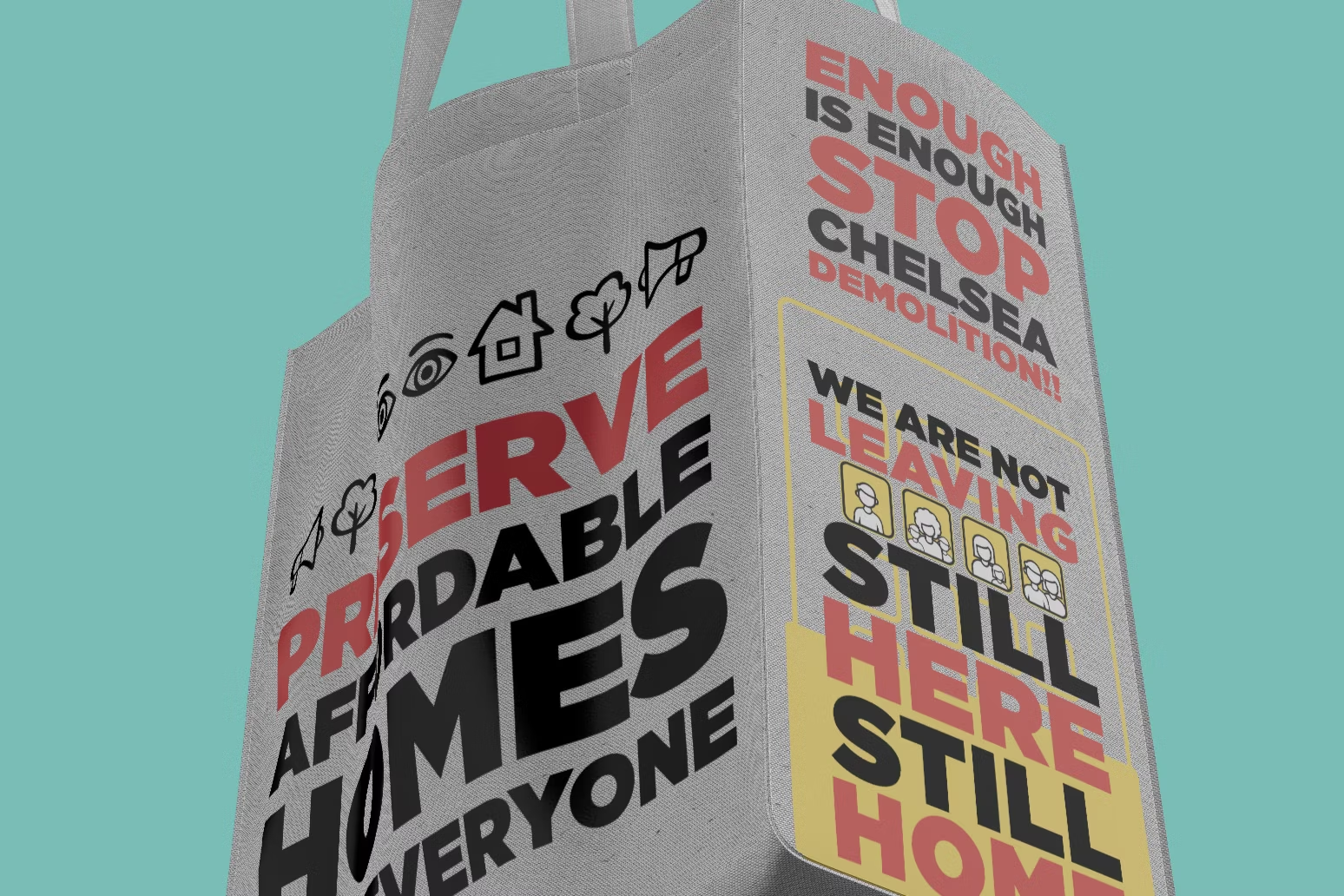
To fight a lawsuit, we need more than just donations, we need visibility. I designed these tote and handbag to turn our message into something people actually want to carry. By using vibrant pictograms, minimal ideograms, and bold typography, I treat each bag like a wearable protest poster. This makes it easy for the public to support the cause; they aren’t just giving money, they are wearing a statement that looks good and feels urgent. It moves the fight from the courtroom to the streets, making our message impossible to ignore.


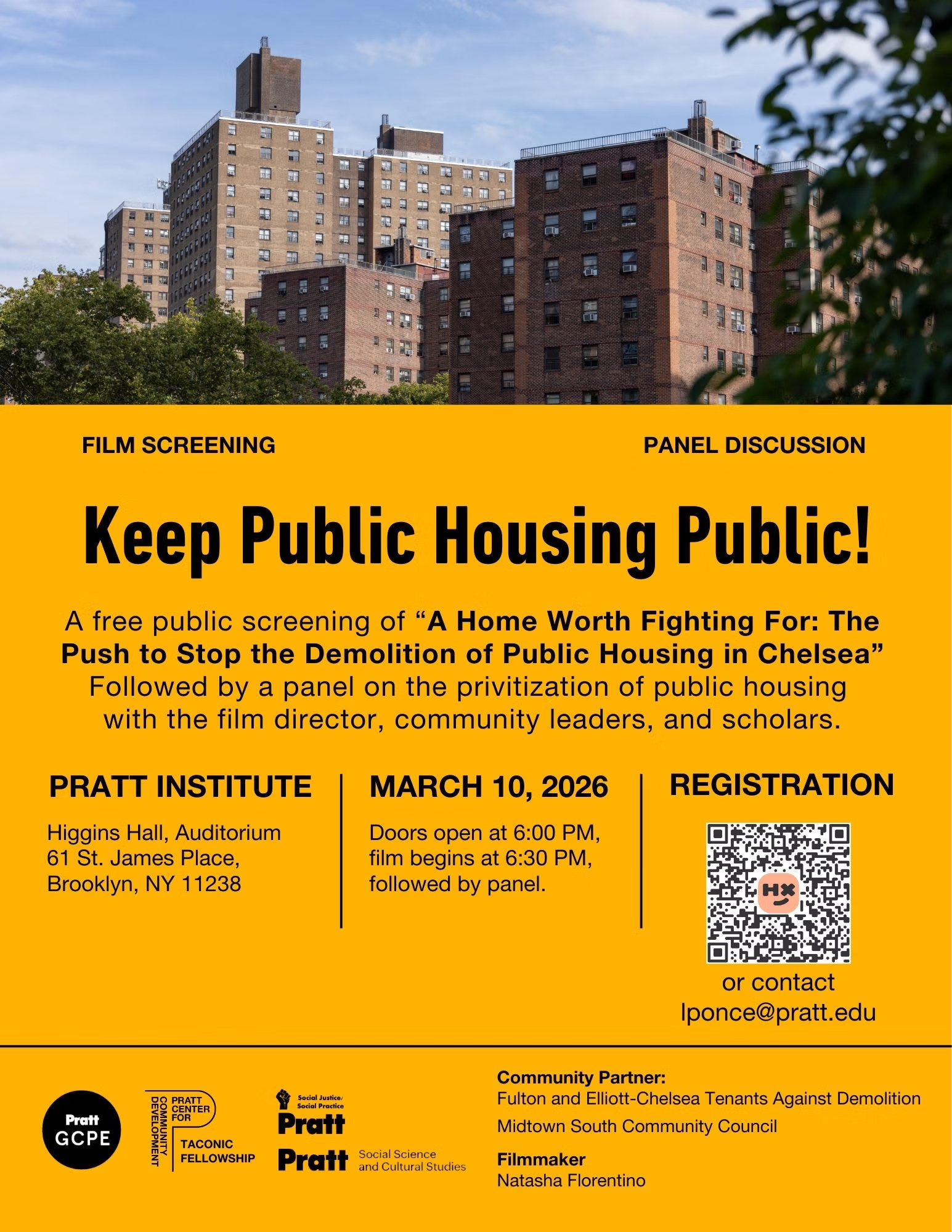
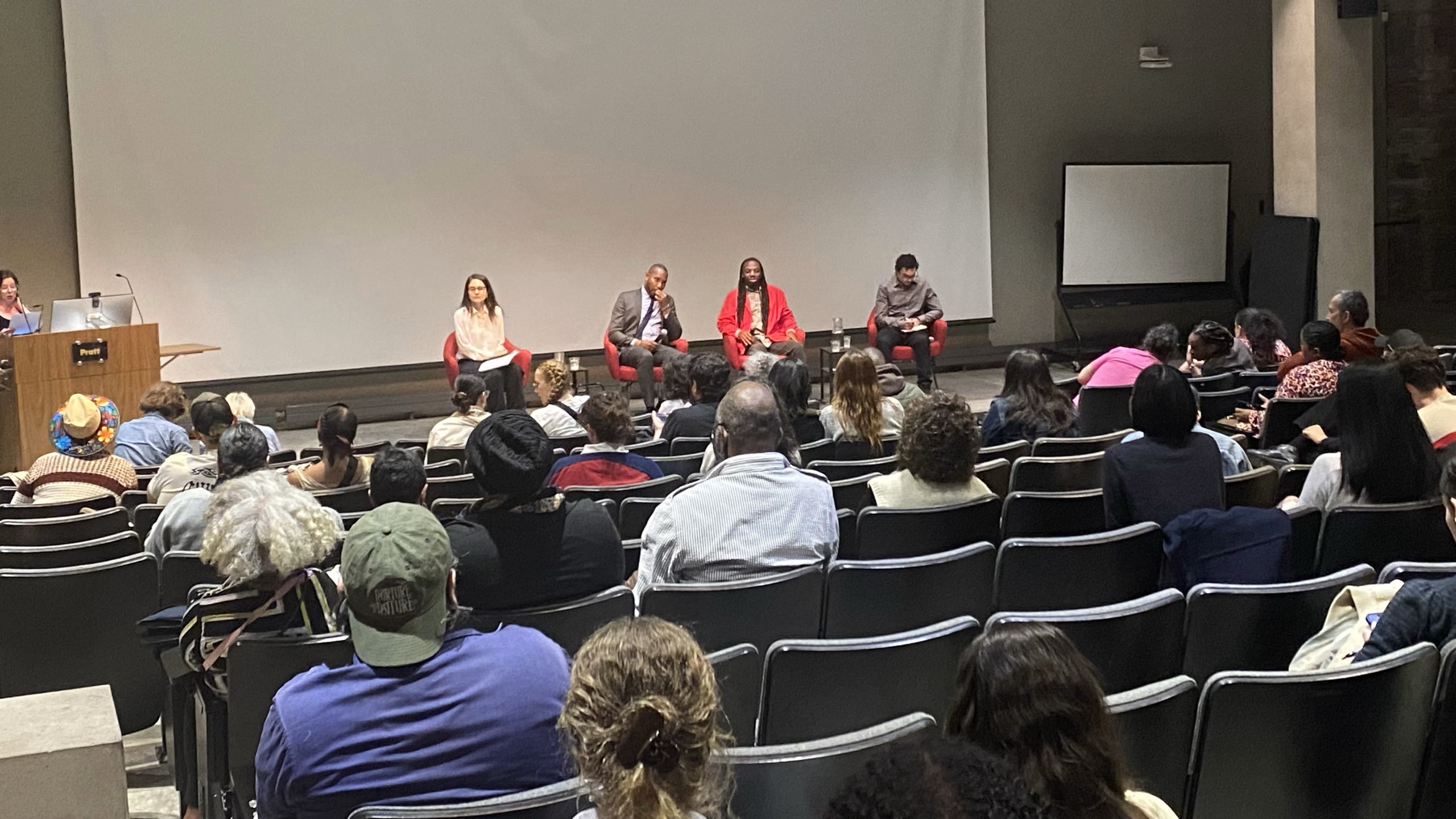
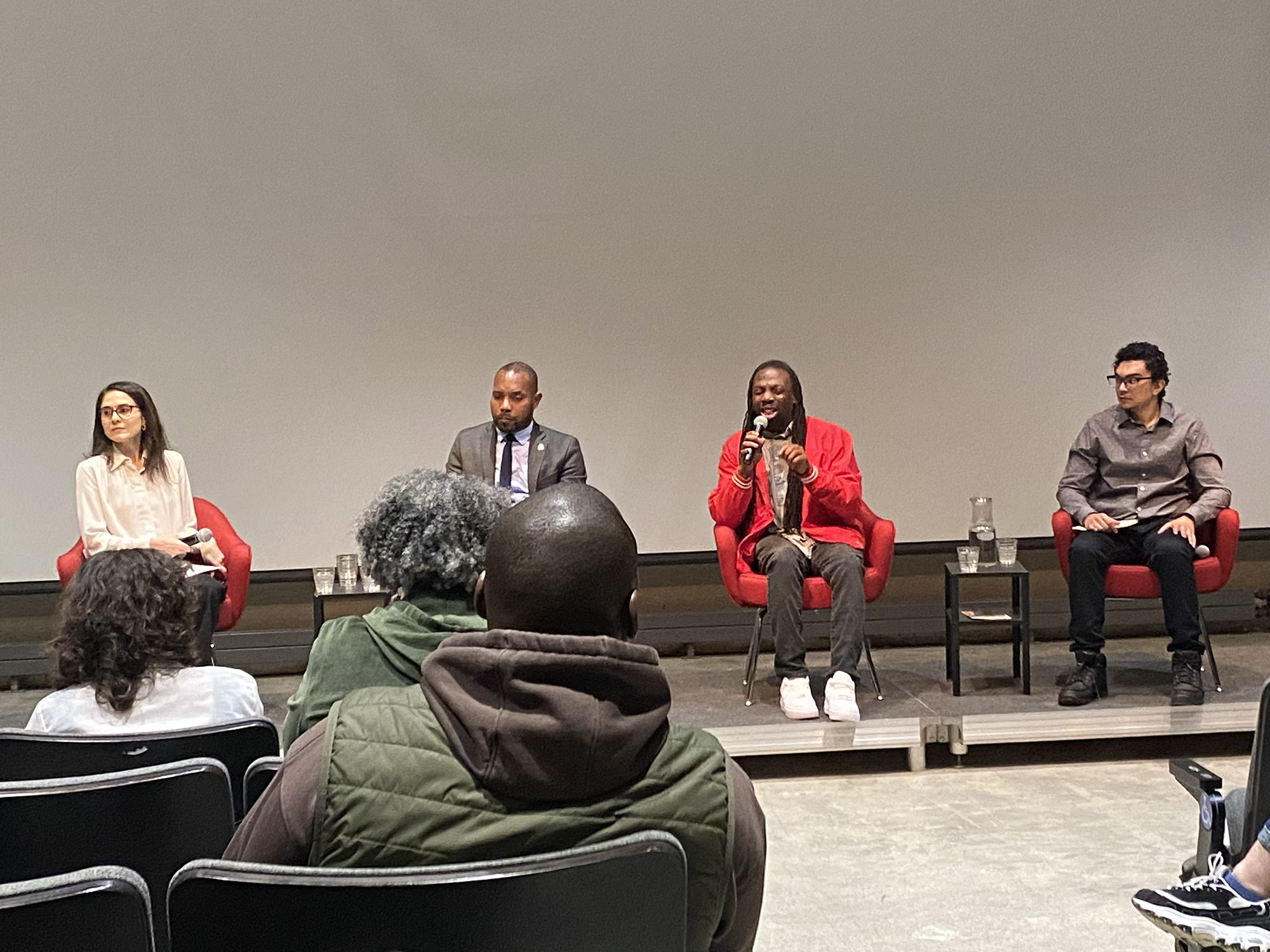
A Home Worth Fighting For is a documentary screening and community panel centered on the ongoing privatization of public housing in New York City. The event brought together tenants, organizers, and housing advocates to discuss displacement, redevelopment pressures, and the fight to preserve NYCHA as truly public. Although not my own film, this screening is directly connected to my activism and design work supporting residents of Fulton & Elliott‑Chelsea Houses. Including it here reflects my continued engagement with community‑led efforts to defend public housing and amplify the voices of those most affected.


Director, Producer, Co-director of Photography, "A HOME WORTH FIGHTING FOR"
Florentino is a documentary filmmaker, digital video producer, and Director of Photography of Puerto Rican and Dominican descent whose work centers on housing justice, community resilience, and the politics of land.
Florentino also served as the 2024–25 Artist as Instigator at the National Public Housing Museum, a competitive residency combining art and advocacy to influence public policy around housing.

City Councilmember, District 42; Deputy Leader NYC Council; Chair, Committee on Public Housing
Chris Banks is a Brooklyn‑born public servant and community advocate who represents New York City Council District 42, covering East New York, Starrett City/Spring Creek, Brownsville, Canarsie, Remsen Village, and East Flatbush.
Banks’ work centers on: Public housing conditions, accountability, and long‑term preservation, Anti‑poverty initiatives and community‑based services, Youth programming and neighborhood safety, and Economic equity for working‑class and immigrant communities
District Leader, NYS Assembly District 74
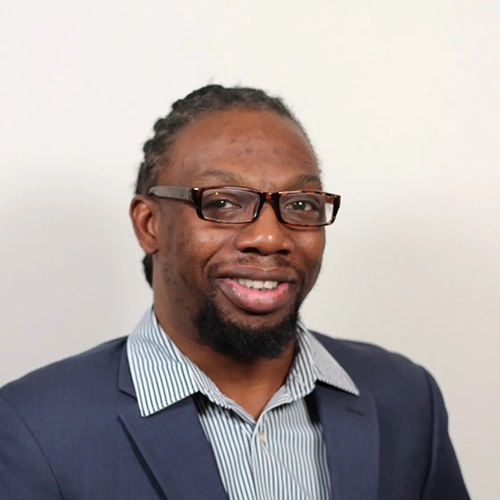
Marquis Jenkins is a community activist, organizer, and elected District Leader for New York State Assembly District 74 (Part A), representing neighborhoods on Manhattan’s East Side. His work is rooted in public housing advocacy, criminal justice reform, and environmental justice, shaped by his lived experience growing up in Mariana Bracetti Plaza NYCHA.
Public housing scholar; Assistant Professor, CUNY School of Labor and Urban Studies
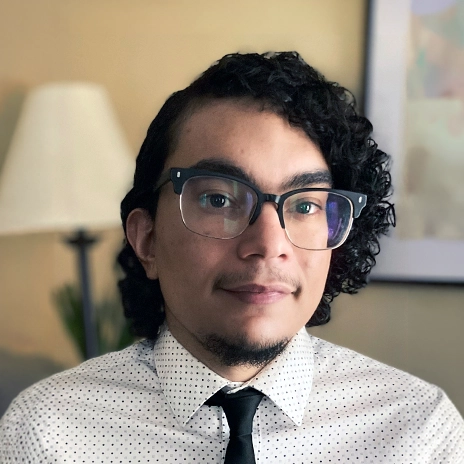
James Rodriguez is an Assistant Professor of Urban Studies at the CUNY School of Labor and Urban Studies (SLU), known for his scholarship on public housing, racial inequality, and urban justice. He joined SLU in 2021 after years of teaching, community organizing, and curriculum development.
Rodriguez’s work examines how race, housing policy, and economic inequality shape life in New York City. His scholarship includes research on the history of racial inequality across the city’s housing, education, and labor systems.